

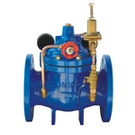
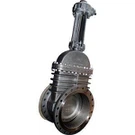
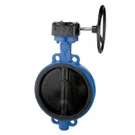
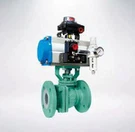
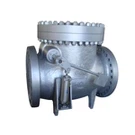
Slurry gate valves are essential components in various industrial processes, especially those dealing with abrasive, corrosive, and viscous slurries. These valves play a crucial role in controlling the flow of slurries while preventing leakage, which is vital for maintaining operational efficiency, safety, and environmental compliance. As a leading slurry gate valve supplier, we understand the importance of effective leakage prevention and have developed advanced technologies and designs to address this challenge. In this blog post, we will explore how our slurry gate valves prevent leakage and the key features that make them reliable solutions for industrial applications.
Understanding the Challenges of Slurry Leakage
Slurries are mixtures of solid particles suspended in a liquid medium, which can pose significant challenges to valve performance. The abrasive nature of the solid particles can cause wear and tear on valve components, leading to leakage over time. Additionally, the corrosive properties of some slurries can damage the valve materials, further compromising the sealing integrity. Moreover, the high viscosity of slurries can make it difficult to achieve a tight seal, increasing the risk of leakage.
Leakage in slurry systems can have several negative consequences. It can result in product loss, leading to increased costs and reduced productivity. Leaked slurries can also pose safety hazards to workers and the environment, especially if they contain toxic or hazardous substances. In addition, leakage can cause damage to surrounding equipment and infrastructure, leading to costly repairs and downtime. Therefore, preventing leakage is of utmost importance in slurry applications.
Key Features of Our Slurry Gate Valves for Leakage Prevention
1. Robust Sealing Mechanisms
Our slurry gate valves are equipped with advanced sealing mechanisms that are designed to provide a tight and reliable seal, even under harsh operating conditions. One of the key sealing components is the gate, which is typically made of high-strength materials such as stainless steel or alloy steel. The gate is machined to precise tolerances to ensure a perfect fit with the valve seat, minimizing the gap between the two surfaces and preventing leakage.
In addition to the gate, our valves also feature a variety of seat materials that are selected based on the specific application requirements. For example, Urethan knife gate valve are lined with urethane, a highly flexible and abrasion-resistant material that provides excellent sealing performance. The urethane lining conforms to the shape of the gate, creating a tight seal that can withstand the abrasive action of the slurry.
Another popular seat material is ceramic, which is known for its exceptional hardness and chemical resistance. Ceramic knife gate valve are ideal for applications involving highly abrasive or corrosive slurries, as the ceramic seat can resist wear and corrosion, ensuring long-term sealing performance.
2. Resilient Seating Design
Our slurry gate valves also feature a resilient seating design that helps to compensate for any minor misalignments or irregularities in the valve components. The resilient seat is typically made of a rubber or elastomeric material that can deform slightly to create a tight seal around the gate. This design ensures that the valve can maintain a reliable seal even if there is some movement or vibration in the pipeline.
The resilient seated knife gate valve is a prime example of this design. The resilient seat provides a self-adjusting seal that can adapt to changes in pressure, temperature, and flow conditions, ensuring consistent leakage prevention performance.
3. Anti-Blowout Stem Design
The stem is another critical component of the slurry gate valve, as it is responsible for operating the gate and controlling the flow of the slurry. Our valves are equipped with an anti-blowout stem design that prevents the stem from being ejected from the valve body in the event of a high-pressure surge. This design feature enhances the safety and reliability of the valve, reducing the risk of leakage and potential accidents.
The anti-blowout stem is typically secured to the valve body using a threaded connection or a locking mechanism, ensuring that it remains in place even under extreme operating conditions. In addition, the stem is often protected by a packing gland or a seal to prevent leakage along the stem.
4. Quality Manufacturing and Testing
At our company, we adhere to strict quality control standards throughout the manufacturing process to ensure that our slurry gate valves meet the highest levels of performance and reliability. We use state-of-the-art manufacturing equipment and techniques to produce valves with precise dimensions and smooth surfaces, minimizing the risk of leakage.
All our valves undergo rigorous testing before they are shipped to our customers. We conduct pressure testing, leakage testing, and functional testing to ensure that the valves perform as expected under various operating conditions. This comprehensive testing process helps us to identify and address any potential issues before the valves are installed in the field, ensuring that our customers receive high-quality products that provide reliable leakage prevention.
Applications of Our Slurry Gate Valves
Our slurry gate valves are widely used in a variety of industries, including mining, power generation, chemical processing, and wastewater treatment. In the mining industry, for example, our valves are used to control the flow of abrasive slurries containing minerals such as copper, gold, and iron ore. The robust sealing mechanisms and high-quality materials of our valves ensure that they can withstand the harsh conditions of mining operations, preventing leakage and ensuring efficient production.
In the power generation industry, our valves are used in coal-fired power plants to control the flow of coal slurries and ash slurries. The anti-blowout stem design and resilient seating of our valves make them suitable for high-pressure and high-temperature applications, ensuring reliable operation and preventing leakage.


In the chemical processing industry, our valves are used to handle corrosive slurries containing acids, alkalis, and other chemicals. The ceramic or urethane-lined seats of our valves provide excellent chemical resistance, preventing leakage and protecting the surrounding equipment and infrastructure.
In the wastewater treatment industry, our valves are used to control the flow of sewage and sludge slurries. The resilient seated design of our valves ensures a tight seal, preventing the leakage of wastewater and protecting the environment.
Contact Us for Your Slurry Gate Valve Needs
If you are looking for a reliable slurry gate valve supplier, look no further. Our company has extensive experience in designing and manufacturing high-quality slurry gate valves that provide effective leakage prevention. We offer a wide range of valve models and materials to meet the specific requirements of your application.
Whether you need a Urethan knife gate valve, a Ceramic knife gate valve, or a resilient seated knife gate valve, we have the right solution for you. Our team of experts can provide you with professional advice and support, helping you to select the most suitable valve for your needs.
Contact us today to discuss your slurry gate valve requirements and to learn more about our products and services. We look forward to working with you to provide you with reliable leakage prevention solutions for your industrial applications.
References
- Valve Handbook, 4th Edition, by Robert W. Saunders
- Industrial Valves: Selection, Specification, and Installation, by David W. Hutchinson
- Slurry Transport Using Centrifugal Pumps, by M. W. Wilson