

Hey there! As a supplier of API Gate Valves, I often get asked about the installation requirements for actuators on these valves. So, I thought I'd put together this blog post to share some insights and tips.
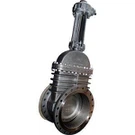
First off, let's understand what an API Gate Valve is. API Gate Valves are designed to meet the standards set by the American Petroleum Institute (API). These valves are commonly used in the oil and gas industry, as well as in other industrial applications where reliable shut-off is crucial. You can learn more about API Gate Valve on our website.
Now, when it comes to installing an actuator on an API Gate Valve, there are several key requirements to keep in mind.
1. Compatibility
The first and most important requirement is compatibility between the actuator and the valve. The actuator needs to be specifically designed to work with the API Gate Valve you have. This includes considerations such as the valve's size, pressure rating, and operating torque.
For example, if you have a large - sized API Gate Valve with a high - pressure rating, you'll need an actuator that can generate enough force to open and close the valve smoothly. Check the manufacturer's specifications for both the valve and the actuator to ensure they are a good match.
2. Mounting
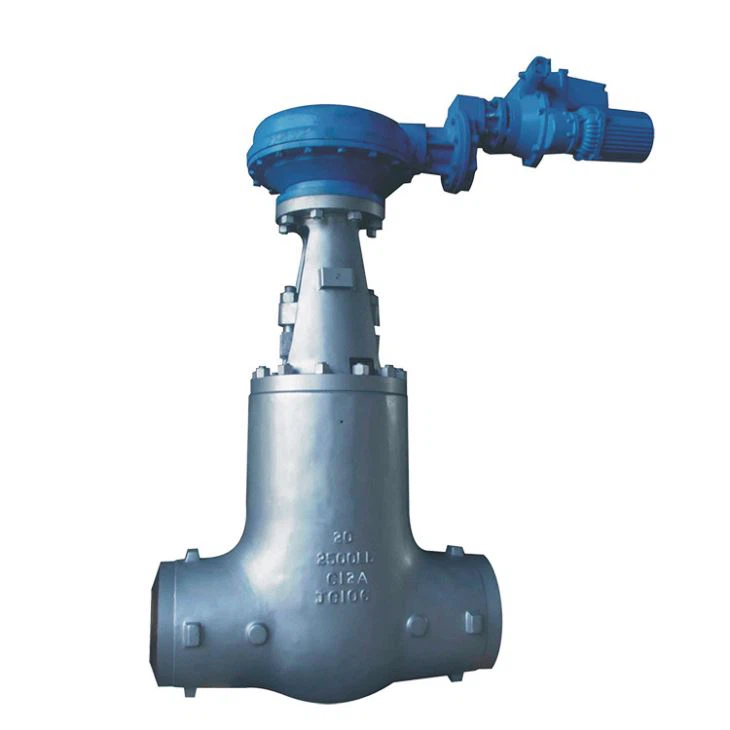
Proper mounting of the actuator on the valve is essential. The actuator should be securely attached to the valve's bonnet or stem. Most API Gate Valves have a standard mounting interface, but it's still important to double - check.
There are different types of mounting arrangements, such as direct - mount and bracket - mount. Direct - mount actuators are attached directly to the valve without the need for additional brackets, while bracket - mount actuators use brackets to connect to the valve. Make sure to follow the installation instructions provided by the actuator manufacturer for the correct mounting procedure.
3. Alignment
Alignment between the actuator and the valve stem is critical. Misalignment can cause excessive wear on the valve stem and actuator components, leading to premature failure. When installing the actuator, use alignment tools to ensure that the actuator's drive shaft is perfectly aligned with the valve stem.
This may involve adjusting the position of the actuator or using shims to correct any minor misalignments. Take your time during this step, as proper alignment will ensure smooth operation of the valve and actuator system.
4. Electrical or Pneumatic Connections
Depending on the type of actuator (electric or pneumatic), you'll need to make the appropriate electrical or pneumatic connections.
Electric Actuators
If you're using an electric actuator, you'll need to connect it to a power source. Make sure to follow all electrical safety codes and regulations. Use the correct gauge of wiring and ensure that all connections are tight and secure. Also, install any necessary control devices, such as limit switches and positioners, according to the manufacturer's instructions.
Pneumatic Actuators
For pneumatic actuators, you'll need to connect them to a compressed air or gas supply. Check the pressure requirements of the actuator and make sure the supply pressure is within the specified range. Use high - quality pneumatic tubing and fittings to prevent leaks. Install a filter - regulator - lubricator (FRL) unit to clean, regulate, and lubricate the compressed air before it reaches the actuator.
5. Control System Integration
The actuator needs to be integrated into the overall control system of your process. This may involve connecting it to a programmable logic controller (PLC), a distributed control system (DCS), or a simple on - off switch.
The control system should be able to send signals to the actuator to open or close the valve as required. Make sure to configure the control settings correctly, including the opening and closing times, speed, and position feedback.
6. Environmental Considerations
The environment in which the API Gate Valve and actuator will be installed also plays a role in the installation requirements.
Temperature
If the installation area has extreme temperatures, you'll need to choose an actuator that can withstand those conditions. For high - temperature environments, look for actuators with heat - resistant materials and proper insulation. In cold - temperature areas, consider actuators with anti - freeze features.
Corrosion
In corrosive environments, such as offshore oil platforms or chemical plants, use actuators made of corrosion - resistant materials. Stainless steel actuators are a good choice in such cases. You can learn more about Stainless Steel Gate Valve on our website.

Dust and Moisture
If the area is dusty or has high humidity, protect the actuator from dust and moisture ingress. Use enclosures or covers to keep the actuator clean and dry.
7. Testing
Once the actuator is installed on the API Gate Valve, it's important to conduct thorough testing. This includes both functional testing and performance testing.
Functional Testing
During functional testing, operate the actuator to open and close the valve several times. Check for any abnormal noises, vibrations, or binding. Make sure the valve opens and closes fully and that the actuator responds correctly to control signals.
Performance Testing
Performance testing involves measuring the actuator's operating parameters, such as the opening and closing times, torque requirements, and position accuracy. Compare these measurements with the manufacturer's specifications to ensure the actuator is performing as expected.
8. Maintenance Access
Finally, consider the ease of maintenance when installing the actuator. The actuator and valve should be accessible for routine maintenance and inspection. There should be enough space around the valve and actuator to allow for easy removal and replacement of components if needed.
For example, if the actuator has a motor or other internal components that may need to be serviced, make sure there is enough clearance to access these parts.
In conclusion, installing an actuator on an API Gate Valve requires careful attention to detail. By following these installation requirements, you can ensure that your valve and actuator system operates reliably and efficiently.
If you're in the market for API Gate Valves or need help with actuator installation, feel free to reach out. We're here to assist you with all your valve - related needs. Whether you're looking for a Pressure Seal Gate Valve or any other type of valve, we've got you covered. Contact us for more information and to start a procurement discussion.
References
- API Standards for Gate Valves
- Actuator Manufacturer's Installation Manuals
- Valve Industry Best Practices Guides