

In the realm of industrial applications, high - pressure environments pose unique challenges. As a supplier of Pressure Seal Gate Valves, I've seen firsthand how these valves are crucial in handling extreme pressures. So, let's dive into how a Pressure Seal Gate Valve performs in high - pressure applications.
Understanding High - Pressure Applications
First off, what are high - pressure applications? They're everywhere in industries like oil and gas, power generation, and chemical processing. In oil and gas extraction, for instance, wells can have extremely high internal pressures, sometimes reaching thousands of pounds per square inch (psi). Power plants also deal with high - pressure steam systems that require reliable valves to control the flow. Chemical processing facilities, too, often have processes where high pressures are involved in reactions or fluid transfer.
In these settings, a valve has to be tough. It needs to withstand the high - pressure forces without leaking or failing. A small leak in a high - pressure system can not only lead to a loss of valuable fluids but also pose significant safety risks.
How Pressure Seal Gate Valves Work
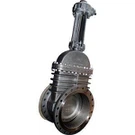
Let's start with the basics of how a Pressure Seal Gate Valve operates. Unlike some other types of valves, a pressure seal gate valve uses the system pressure to enhance its sealing ability. When the pressure inside the valve increases, it actually helps to create a tighter seal.
The valve consists of a gate, which is a flat or wedge - shaped disc that moves up and down to control the flow of fluid. When the gate is in the open position, fluid can pass through the valve freely. When it's closed, the gate blocks the flow.
The key feature of a pressure seal design is the pressure - energized bonnet seal. As the internal pressure rises, it forces the bonnet against the body of the valve, creating a more effective seal. This is in contrast to a bolted bonnet valve, where the seal is dependent on the pre - load of the bolts. In high - pressure situations, the pre - load of bolts can be overcome by the pressure, leading to potential leaks.
Performance in High - Pressure Applications
Sealing Performance
One of the most important aspects of a valve's performance in high - pressure applications is its sealing ability. A Pressure Seal Gate Valve excels in this area. The pressure - energized bonnet seal ensures that as the pressure inside the valve increases, the seal gets better. This means that even at very high pressures, the valve can maintain a tight seal, preventing any leakage of the fluid.
For example, in a high - pressure oil pipeline, a small leak could result in a significant loss of oil and pose an environmental hazard. A Pressure Seal Gate Valve can prevent such leaks, ensuring the safe and efficient operation of the pipeline.
Durability
High - pressure environments are harsh, and valves need to be durable. Pressure Seal Gate Valves are built to last. They're typically made from high - strength materials like carbon steel, stainless steel, or alloy steel. These materials can withstand the high - pressure forces and resist corrosion, which is often a problem in industrial settings.
In a power plant's high - pressure steam system, the valve has to endure not only high pressure but also high temperatures. A well - designed Pressure Seal Gate Valve can handle these conditions without significant wear and tear, reducing the need for frequent maintenance and replacements.
Flow Control
Another important factor is the valve's ability to control the flow of fluid accurately. A Pressure Seal Gate Valve offers excellent flow control. The gate can be adjusted to different positions, allowing for precise regulation of the flow rate.
In a chemical processing plant, where the exact amount of a chemical needs to be added to a reaction at a specific time, a Pressure Seal Gate Valve can provide the necessary control. It can open and close quickly and smoothly, ensuring that the flow is regulated precisely.


Advantages over Other Valve Types
Compared to Bolted Bonnet Valves
As mentioned earlier, bolted bonnet valves rely on the pre - load of bolts for sealing. In high - pressure applications, this can be a drawback. The high pressure can overcome the pre - load of the bolts, leading to leaks. A Pressure Seal Gate Valve, on the other hand, uses the system pressure to its advantage, providing a more reliable seal.
Compared to Ball Valves
Ball valves are popular in many applications, but they may not be the best choice for extremely high - pressure situations. Ball valves can have issues with seat wear and leakage at very high pressures. A Pressure Seal Gate Valve, with its pressure - energized seal, can provide better sealing performance in these high - pressure scenarios.
Real - World Examples
Let's take a look at some real - world examples of where Pressure Seal Gate Valves are used in high - pressure applications.
In the oil and gas industry, Pressure Seal Gate Valves are commonly used in wellheads and pipelines. They can handle the high pressures associated with oil and gas extraction and transportation. For example, in deep - water oil wells, where the pressure can be extremely high, these valves ensure the safe and efficient operation of the well.
In power generation, they're used in high - pressure steam systems. A power plant's steam turbine requires precise control of the steam flow, and a Pressure Seal Gate Valve can provide the necessary sealing and flow control.
Comparison with Other Valve Types in Our Product Line
We also offer other types of valves, such as Ceramic Lined Gate Valve, API6A Gate Valve, and Stainless Steel Gate Valve. While each of these valves has its own advantages, a Pressure Seal Gate Valve stands out in high - pressure applications.
A Ceramic Lined Gate Valve is great for applications where there's a lot of abrasion, such as in mining or slurry handling. However, it may not be as effective as a Pressure Seal Gate Valve in extremely high - pressure situations.
An API6A Gate Valve is designed for use in the oil and gas industry, specifically for wellheads and Christmas trees. It meets strict industry standards, but the pressure seal design of our Pressure Seal Gate Valve gives it an edge in high - pressure performance.
A Stainless Steel Gate Valve is corrosion - resistant and suitable for many applications. But again, in high - pressure scenarios, the pressure - energized sealing of a Pressure Seal Gate Valve is a significant advantage.
Conclusion
In conclusion, a Pressure Seal Gate Valve is a top - choice for high - pressure applications. Its unique pressure - energized sealing design provides excellent sealing performance, durability, and flow control. Whether it's in the oil and gas industry, power generation, or chemical processing, these valves can handle the toughest high - pressure challenges.
If you're in need of a reliable valve for your high - pressure application, I encourage you to consider our Pressure Seal Gate Valves. We have a wide range of options to suit different requirements, and our team of experts can help you find the right valve for your specific needs. Don't hesitate to reach out for more information or to start a procurement discussion.
References
- Valve Handbook, Second Edition by Dietrich Netzer
- Handbook of Valves by John S. Metcalfe
- Oil and Gas Production Handbook by Tony Clark