

What materials are used to make metal seated ball valves?
As a trusted supplier of metal seated ball valves, I am often asked about the materials used in their construction. Metal seated ball valves are crucial components in various industries, including oil and gas, chemical processing, power generation, and more. Their ability to handle high temperatures, high pressures, and corrosive media makes them a preferred choice for many applications. In this blog post, I will delve into the different materials commonly used to make metal seated ball valves and their unique properties.
Body Materials
The body of a metal seated ball valve is the outer casing that houses all the internal components. It must be strong enough to withstand the pressure and temperature of the fluid flowing through the valve. The most common materials used for the body of metal seated ball valves are:
Carbon Steel
Carbon steel is a popular choice for the body of metal seated ball valves due to its high strength, durability, and relatively low cost. It contains carbon as the main alloying element, which gives it its strength and hardness. Carbon steel valves are suitable for a wide range of applications, including water, steam, and oil. However, they are not recommended for use in highly corrosive environments.
Stainless Steel
Stainless steel is another commonly used material for the body of metal seated ball valves. It contains chromium, which forms a passive oxide layer on the surface of the metal, protecting it from corrosion. Stainless steel valves are highly resistant to corrosion, making them suitable for use in harsh environments, such as chemical processing plants and offshore oil rigs. They are also available in different grades, such as 304 and 316, each with its own unique properties.
Alloy Steel
Alloy steel is a type of steel that contains one or more alloying elements, such as nickel, chromium, and molybdenum, in addition to carbon. These alloying elements enhance the strength, hardness, and corrosion resistance of the steel. Alloy steel valves are commonly used in high-temperature and high-pressure applications, such as power generation plants and refineries.
Ball and Seat Materials
The ball and seat are the two most critical components of a metal seated ball valve. They are responsible for controlling the flow of fluid through the valve. The materials used for the ball and seat must be able to withstand the wear and tear caused by the flow of fluid and provide a tight seal to prevent leakage. The most common materials used for the ball and seat of metal seated ball valves are:
Stainless Steel
Stainless steel is a popular choice for the ball and seat of metal seated ball valves due to its corrosion resistance and durability. It can withstand the wear and tear caused by the flow of fluid and provide a tight seal to prevent leakage. Stainless steel balls and seats are suitable for use in a wide range of applications, including water, steam, and oil.
Alloy Steel
Alloy steel is another commonly used material for the ball and seat of metal seated ball valves. It contains alloying elements, such as nickel, chromium, and molybdenum, which enhance its strength, hardness, and corrosion resistance. Alloy steel balls and seats are suitable for use in high-temperature and high-pressure applications, such as power generation plants and refineries.
Hardened Steel
Hardened steel is a type of steel that has been heat-treated to increase its hardness and strength. It is commonly used for the ball and seat of metal seated ball valves that are used in abrasive or erosive applications. Hardened steel balls and seats can withstand the wear and tear caused by the flow of fluid containing solid particles and provide a long service life.
Ceramic
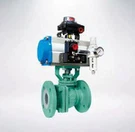
Ceramic is a relatively new material that is being used for the ball and seat of metal seated ball valves. It has excellent wear resistance, corrosion resistance, and high-temperature resistance. Ceramic balls and seats are suitable for use in highly abrasive and corrosive applications, such as mining and chemical processing plants. You can learn more about Ceramic Lined Ball Valve on our website.
Stem Materials
The stem is the component that connects the ball to the actuator. It must be strong enough to withstand the torque applied by the actuator and transmit it to the ball to open and close the valve. The most common materials used for the stem of metal seated ball valves are:
Stainless Steel
Stainless steel is a popular choice for the stem of metal seated ball valves due to its corrosion resistance and durability. It can withstand the torque applied by the actuator and transmit it to the ball to open and close the valve. Stainless steel stems are suitable for use in a wide range of applications, including water, steam, and oil.
Alloy Steel
Alloy steel is another commonly used material for the stem of metal seated ball valves. It contains alloying elements, such as nickel, chromium, and molybdenum, which enhance its strength, hardness, and corrosion resistance. Alloy steel stems are suitable for use in high-temperature and high-pressure applications, such as power generation plants and refineries.
Other Materials
In addition to the body, ball, seat, and stem materials, other materials are also used in the construction of metal seated ball valves. These materials include gaskets, packing, and O-rings, which are used to provide a seal between the different components of the valve and prevent leakage. The most common materials used for gaskets, packing, and O-rings are:
Graphite
Graphite is a popular choice for gaskets and packing in metal seated ball valves due to its high-temperature resistance and excellent sealing properties. It can withstand temperatures up to 500°C and provide a tight seal to prevent leakage.
PTFE
PTFE (Polytetrafluoroethylene) is a synthetic fluoropolymer that is commonly used for O-rings and gaskets in metal seated ball valves. It has excellent chemical resistance, low friction, and high-temperature resistance. PTFE O-rings and gaskets are suitable for use in a wide range of applications, including chemical processing plants and food and beverage industries.
Conclusion
In conclusion, the materials used to make metal seated ball valves play a crucial role in their performance and durability. The choice of materials depends on the specific application and the operating conditions of the valve. As a supplier of metal seated ball valves, we offer a wide range of valves made from different materials to meet the diverse needs of our customers. Whether you need a valve for a high-temperature and high-pressure application or a valve for a corrosive environment, we have the right solution for you.
If you are interested in purchasing metal seated ball valves or have any questions about our products, please feel free to contact us. Our team of experts will be happy to assist you and provide you with the best possible solution for your needs. You can also explore our other valve products such as Fully Welded Ball Valve and Trunnion Mounted Ball Valve on our website.


References
- Valve Handbook, 4th Edition, by J. S. Ludwig
- ASME B16.34 - Valves - Flanged, Threaded, and Welding End