

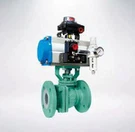
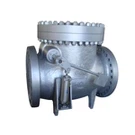
Ball valves are a crucial component in various industries, known for their reliability, durability, and efficient flow control. As a leading ball valve supplier, I often encounter inquiries about the materials used in manufacturing these valves. In this blog post, I will delve into the different materials commonly employed in ball valve production, their properties, and the applications they are best suited for.
Metals
Stainless Steel
Stainless steel is one of the most popular materials for ball valves due to its excellent corrosion resistance, high strength, and durability. It contains chromium, which forms a passive oxide layer on the surface, protecting the valve from rust and other forms of corrosion. Stainless steel ball valves are suitable for a wide range of applications, including water treatment, chemical processing, food and beverage, and pharmaceutical industries.
There are different grades of stainless steel used in ball valve manufacturing, such as 304 and 316. Grade 304 stainless steel is a general-purpose material with good corrosion resistance in most environments. It contains 18% chromium and 8% nickel, making it suitable for applications where the valve is exposed to mild corrosive substances. Grade 316 stainless steel, on the other hand, is more corrosion-resistant than 304, especially in environments containing chlorides. It contains 16% chromium, 10% nickel, and 2% molybdenum, which enhances its resistance to pitting and crevice corrosion.
Carbon Steel
Carbon steel is another commonly used material for ball valves, particularly in high-pressure and high-temperature applications. It is known for its high strength, toughness, and affordability. Carbon steel ball valves are suitable for industries such as oil and gas, power generation, and mining.
However, carbon steel is prone to corrosion, especially in environments containing moisture and oxygen. To protect the valve from corrosion, carbon steel ball valves are often coated with a protective layer, such as epoxy or zinc. This coating provides an additional barrier against corrosion and extends the lifespan of the valve.
Brass
Brass is a copper-zinc alloy that is widely used in ball valve manufacturing due to its excellent machinability, corrosion resistance, and aesthetic appeal. It is a popular choice for residential and commercial plumbing applications, as well as in the marine and automotive industries.
Brass ball valves are known for their smooth operation, tight shut-off, and long service life. They are available in a variety of sizes and configurations to meet different application requirements. However, brass is not suitable for applications involving highly corrosive substances or high temperatures.
Monel
Monel is a nickel-copper alloy that is known for its excellent corrosion resistance in a wide range of environments, including seawater, acids, and alkalis. It is a popular choice for ball valves used in marine, chemical, and petrochemical industries.
Monel ball valves are highly resistant to pitting, crevice corrosion, and stress corrosion cracking. They have good mechanical properties, including high strength and toughness, making them suitable for high-pressure and high-temperature applications. However, Monel is a relatively expensive material, which may limit its use in some applications.
Non-Metals
PTFE (Polytetrafluoroethylene)
PTFE, also known as Teflon, is a synthetic fluoropolymer that is widely used as a seating material in ball valves. It is known for its excellent chemical resistance, low friction coefficient, and high temperature resistance. PTFE seats provide a tight seal, preventing leakage and ensuring efficient flow control.
PTFE seats are suitable for a wide range of applications, including chemical processing, food and beverage, and pharmaceutical industries. They are available in different grades and formulations to meet different application requirements. However, PTFE has a relatively low hardness and is prone to cold flow, which may affect the performance of the valve over time.
NBR (Nitrile Butadiene Rubber)
NBR is a synthetic rubber that is commonly used as a sealing material in ball valves. It is known for its excellent oil and fuel resistance, as well as its good mechanical properties. NBR seals provide a reliable seal, preventing leakage and ensuring efficient flow control.
NBR seals are suitable for applications involving oil, fuel, and other petroleum-based products. They are available in different hardness grades and formulations to meet different application requirements. However, NBR is not suitable for applications involving highly corrosive substances or high temperatures.
EPDM (Ethylene Propylene Diene Monomer)
EPDM is a synthetic rubber that is known for its excellent weather resistance, ozone resistance, and chemical resistance. It is a popular choice for ball valves used in outdoor applications, such as water treatment plants and irrigation systems.
EPDM seals provide a reliable seal, preventing leakage and ensuring efficient flow control. They are available in different hardness grades and formulations to meet different application requirements. However, EPDM is not suitable for applications involving oil, fuel, or other petroleum-based products.


Composite Materials
Fiberglass Reinforced Plastic (FRP)
FRP is a composite material made of a polymer matrix reinforced with glass fibers. It is known for its high strength, corrosion resistance, and lightweight. FRP ball valves are suitable for applications where weight is a concern, such as in the aerospace and marine industries.
FRP ball valves are available in different configurations and sizes to meet different application requirements. They are often used in applications involving corrosive substances, such as acids, alkalis, and solvents. However, FRP has a relatively low temperature resistance, which may limit its use in high-temperature applications.
Ceramic
Ceramic is a hard, brittle material that is known for its excellent wear resistance, corrosion resistance, and high temperature resistance. Ceramic ball valves are suitable for applications involving abrasive or corrosive substances, such as in the mining, chemical, and power generation industries.
Ceramic ball valves are available in different grades and formulations to meet different application requirements. They provide a tight seal, preventing leakage and ensuring efficient flow control. However, ceramic is a relatively expensive material, which may limit its use in some applications.
Conclusion
In conclusion, the choice of material for a ball valve depends on several factors, including the application requirements, the type of fluid or gas being controlled, the operating temperature and pressure, and the budget. As a ball valve supplier, I offer a wide range of ball valves made from different materials to meet the diverse needs of my customers.
Whether you need a Seated Ball Valve for a high-pressure application or a Soft Seated Ball Valve for a corrosive environment, I can provide you with the right solution. My ball valves are manufactured to the highest quality standards and are backed by my commitment to customer satisfaction.
If you are interested in purchasing ball valves or have any questions about the materials used in their manufacturing, please feel free to contact me. I would be happy to discuss your requirements and provide you with a customized solution.
References
- ASM Handbook, Volume 1: Properties and Selection: Irons, Steels, and High-Performance Alloys. ASM International, 1990.
- Corrosion Resistance Tables, Fourth Edition. McGraw-Hill, 1985.
- Valve Handbook, Third Edition. Butterworth-Heinemann, 2004.