

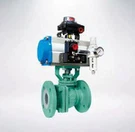
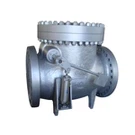
As a leading globe valve supplier, I understand the significance of noise reduction in globe valves. Excessive noise not only disrupts the working environment but can also indicate potential inefficiencies or even damage to the valve and the entire system. In this blog, I'll share some effective strategies on how to reduce the noise of a globe valve.
Understanding the Sources of Noise in Globe Valves
Before delving into noise - reduction methods, it's crucial to understand where the noise comes from. The primary sources of noise in globe valves include:
- Fluid Turbulence: When the fluid flows through the valve, sudden changes in the flow path can cause turbulence. For example, as the fluid passes through the narrow seat area of the globe valve, its velocity increases, leading to eddies and vortices that generate noise.
- Cavitation: Cavitation occurs when the pressure of the fluid drops below its vapor pressure, causing vapor bubbles to form. These bubbles then collapse when they enter a region of higher pressure, creating shockwaves that result in loud noise and can also cause damage to the valve internals.
- Mechanical Vibration: The movement of the valve stem, disc, and other components can cause mechanical vibrations. If these vibrations are not properly dampened, they can be transmitted through the valve body and the piping system, producing audible noise.
Design - Related Noise Reduction Strategies
Optimized Valve Geometry
The shape and size of the valve components play a vital role in reducing noise. A well - designed valve should have a smooth flow path to minimize fluid turbulence. For instance, using a streamlined disc and seat design can help the fluid flow more evenly through the valve. Our Pressure Seal Globe Valve is engineered with an optimized geometry that allows for a more laminar flow of the fluid, significantly reducing turbulence - induced noise.
Anti - Cavitation Trim
To combat cavitation, anti - cavitation trim can be installed in the globe valve. This trim is designed to control the pressure drop across the valve in a way that prevents the fluid pressure from dropping below its vapor pressure. By reducing the formation of vapor bubbles, anti - cavitation trim not only reduces noise but also extends the service life of the valve. Our Bellow Sealed Globe Valve can be equipped with anti - cavitation trim options to meet the specific requirements of different applications.
Installation and Piping Considerations
Proper Piping Layout
The way the valve is installed in the piping system can have a significant impact on noise levels. The piping should be properly sized and aligned to ensure a smooth flow of fluid. Avoid sharp bends, elbows, and sudden contractions or expansions in the piping near the valve. A straight and unobstructed flow path helps to minimize turbulence and noise. Our Straight Globe Valve is particularly suitable for applications where a straight - through flow is required, reducing the chances of noise generation due to improper piping layout.
Pipe Support and Anchoring
Proper pipe support and anchoring are essential to prevent mechanical vibrations from being transmitted through the piping system. The valve and the connected pipes should be securely supported to dampen vibrations. Using flexible connectors or expansion joints can also help to absorb vibrations and reduce noise. When installing our globe valves, we recommend following the industry - standard guidelines for pipe support and anchoring to achieve optimal noise reduction.


Operational and Maintenance Approaches
Flow Rate Control
Controlling the flow rate through the valve is an effective way to reduce noise. Operating the valve at a flow rate within its recommended range helps to maintain a stable and laminar flow of the fluid. Excessive flow rates can cause high - velocity fluid streams, leading to increased turbulence and noise. By adjusting the valve opening carefully, operators can ensure that the flow rate is optimized for quiet operation.
Regular Maintenance
Regular maintenance is crucial for keeping the valve in good working condition and reducing noise. This includes inspecting the valve components for wear and tear, lubricating the moving parts, and replacing any damaged seals or gaskets. A well - maintained valve operates more smoothly, with less mechanical vibration and noise. We provide comprehensive maintenance guidelines for all our globe valves to help our customers keep their valves in top - notch condition.
Additional Noise - Reduction Measures
Acoustic Insulation
Applying acoustic insulation to the valve and the surrounding piping can help to absorb and dampen the noise. There are various types of acoustic insulation materials available, such as fiberglass, mineral wool, and foam. These materials can be wrapped around the valve body and the pipes to reduce the transmission of noise to the surrounding environment.
Noise - Absorbing Enclosures
In some cases, installing a noise - absorbing enclosure around the valve can be an effective solution. These enclosures are designed to trap the noise within a confined space and prevent it from spreading. They are often used in industrial settings where noise reduction is a top priority.
In conclusion, reducing the noise of a globe valve requires a comprehensive approach that includes design optimization, proper installation, operational control, and regular maintenance. As a globe valve supplier, we are committed to providing our customers with high - quality valves and expert advice on noise reduction. If you are facing noise issues with your globe valves or are looking for new valves with low - noise performance, we encourage you to contact us for a detailed discussion and to explore our wide range of valve products. Our team of experts is ready to assist you in finding the best solutions for your specific needs.
References
- Miller, R. W. (2017). Flow Measurement Engineering Handbook. McGraw - Hill Education.
- Idelchik, I. E. (2007). Handbook of Hydraulic Resistance. CRC Press.
- Valve Manufacturers Association of America (VMAA). (2020). Valve Design and Application Guidelines.