

The wedge design of an API Gate Valve is a critical aspect that significantly influences its performance, functionality, and suitability for various industrial applications. As a leading API Gate Valve supplier, we understand the importance of this design feature and its impact on the overall operation of the valve. In this blog post, we will delve into the details of the wedge design, exploring its types, advantages, and considerations.


Types of Wedge Designs in API Gate Valves
There are primarily two types of wedge designs commonly used in API Gate Valves: solid wedges and flexible wedges.
Solid Wedges
Solid wedges are the most straightforward and traditional design. They are made from a single piece of material, typically metal, and have a uniform cross - section. The simplicity of the solid wedge design makes it highly durable and resistant to wear and tear. Solid wedges are suitable for applications where the fluid flow is relatively stable and the pressure and temperature conditions are not extremely variable.
One of the main advantages of solid wedges is their high structural integrity. They can withstand high pressures without deforming, which ensures a tight seal between the valve seat and the wedge. This tight seal is crucial for preventing leakage, especially in applications where the fluid being handled is hazardous or valuable. For example, in the oil and gas industry, solid wedge API Gate Valves are often used in pipelines to control the flow of crude oil or natural gas, where any leakage could lead to significant environmental and economic consequences.
Flexible Wedges
Flexible wedges, on the other hand, are designed with a slight gap or cut in the center, which allows the wedge to flex slightly. This flexibility enables the wedge to adapt to minor irregularities in the valve seat, ensuring a better seal even in less - than - perfect seating conditions. Flexible wedges are ideal for applications where there may be thermal expansion or contraction, as they can compensate for the dimensional changes without losing their sealing ability.
In systems where the temperature fluctuates, such as in power plants or chemical processing facilities, flexible wedge API Gate Valves are a popular choice. The ability of the flexible wedge to adjust to temperature - induced changes in the valve components helps to maintain a reliable seal over a wide range of operating conditions.
Advantages of Wedge Design in API Gate Valves
Excellent Sealing Performance
The wedge design in API Gate Valves is known for its superior sealing capabilities. When the valve is closed, the wedge is forced against the valve seats, creating a tight seal that prevents the flow of fluid. Whether it is a solid wedge or a flexible wedge, the design ensures that the contact between the wedge and the seats is uniform, minimizing the risk of leakage. This is particularly important in applications where zero - leakage is required, such as in high - pressure steam systems or in the transportation of corrosive chemicals.
Low Flow Resistance
API Gate Valves with wedge designs offer low flow resistance when fully open. The straight - through flow path created by the gate and the wedge allows the fluid to pass through the valve with minimal obstruction. This results in reduced energy consumption and improved efficiency in the overall system. For example, in large - scale water distribution networks, the low flow resistance of wedge - type API Gate Valves helps to maintain a consistent flow rate and pressure, reducing the need for additional pumping power.
Durability
The robust construction of the wedge design contributes to the long - term durability of API Gate Valves. The wedges are typically made from high - quality materials such as stainless steel, carbon steel, or alloy steel, which can withstand harsh operating conditions, including high pressures, high temperatures, and corrosive environments. This durability ensures that the valves can provide reliable service for an extended period, reducing maintenance costs and downtime.
Considerations for Wedge Design in API Gate Valves
Material Selection
The choice of material for the wedge is crucial as it directly affects the valve's performance and lifespan. Different materials have different properties, such as corrosion resistance, strength, and hardness. For example, in applications where the fluid is highly corrosive, such as in the chemical industry, wedges made from corrosion - resistant alloys like Hastelloy or Inconel may be required. On the other hand, in less - corrosive environments, carbon steel wedges may be sufficient.
Operating Conditions
The operating conditions, including pressure, temperature, and flow rate, must be carefully considered when selecting the appropriate wedge design. High - pressure applications may require solid wedges for their greater strength and stability, while applications with significant temperature variations may benefit from flexible wedges. Additionally, the flow rate can influence the size and shape of the wedge, as well as the overall valve design.
Maintenance Requirements
Both solid and flexible wedges require regular maintenance to ensure optimal performance. The seats and wedges need to be inspected for wear, corrosion, and damage, and any necessary repairs or replacements should be carried out promptly. In some cases, the wedges may need to be lubricated to reduce friction and ensure smooth operation.
Our API Gate Valve Offerings
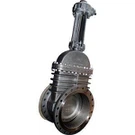
As an API Gate Valve supplier, we offer a wide range of valves with different wedge designs to meet the diverse needs of our customers. Our API Gate Valve product line includes both solid wedge and flexible wedge options, each designed and manufactured to the highest industry standards.
We also provide Ceramic Lined Gate Valve solutions, which offer enhanced corrosion and wear resistance. The ceramic lining provides an additional layer of protection for the valve components, especially in abrasive or corrosive environments.
In addition, our Pressure Seal Gate Valve is designed for high - pressure applications, where the pressure - seal design ensures a reliable seal even under extreme pressure conditions.
Conclusion
The wedge design of an API Gate Valve is a key factor that determines its performance, reliability, and suitability for various applications. Whether it is the solid wedge for its strength and stability or the flexible wedge for its adaptability, understanding the different types of wedge designs and their advantages is essential for making the right valve selection.
If you are in need of high - quality API Gate Valves or have any questions about our products, we encourage you to contact us for a detailed discussion. Our team of experts is ready to assist you in finding the most suitable valve solution for your specific requirements.
References
- API Standards - American Petroleum Institute
- Valve Handbook - Various Editions