

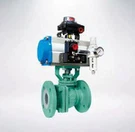
What is the price range of a ceramic lined ball valve?
As a supplier of ceramic lined ball valves, I often get asked about the price range of these specialized valves. The cost of a ceramic lined ball valve can vary significantly based on several factors, which I'll delve into in this blog post.
Factors Affecting the Price of Ceramic Lined Ball Valves
-
Size and Diameter
The size of the valve is one of the most significant factors influencing its price. Larger valves with greater diameters require more raw materials, including ceramic lining and the metal body. For instance, a small - sized ceramic lined ball valve with a diameter of 1/2 inch may cost relatively less compared to a 12 - inch diameter valve. The manufacturing process for larger valves is also more complex, involving more labor and time, which adds to the overall cost. -
Quality of Ceramic Lining
The quality of the ceramic lining plays a crucial role in determining the price. High - quality ceramics offer better wear resistance, corrosion resistance, and longer service life. There are different grades of ceramics available in the market, such as alumina ceramic, zirconia ceramic, etc. Alumina ceramic is a commonly used material for ceramic lining due to its good balance of performance and cost. However, zirconia ceramic, which has superior toughness and wear resistance, is more expensive. Valves with a thicker and more uniform ceramic lining also tend to be pricier as they provide enhanced protection against harsh operating conditions. -
Pressure Rating
The pressure rating of a ceramic lined ball valve is another important factor. Valves designed to handle high - pressure applications need to be more robustly constructed. They require thicker walls, stronger seals, and a more reliable ceramic lining to withstand the high - pressure forces. A valve with a pressure rating of 150 psi will generally be less expensive than one with a rating of 600 psi or higher. The additional engineering and materials required to achieve higher pressure ratings contribute to the increased cost. -
End Connection Type
The type of end connections on a ceramic lined ball valve can affect its price. Common end connection types include flanged, threaded, and welded connections. Flanged connections are more expensive because they require additional flanges and bolts, and the manufacturing process is more involved. Threaded connections are relatively simpler and less costly, making them a more budget - friendly option for some applications. Welded connections, on the other hand, are often used in applications where a permanent and leak - tight connection is required. The welding process and the associated quality control measures add to the cost of the valve. -
Customization Requirements
If a customer has specific customization requirements, such as special dimensions, non - standard materials, or unique features, the price of the ceramic lined ball valve will increase. Custom - made valves need additional engineering design, tooling, and manufacturing processes. For example, a valve with a special shape or a custom - designed flow path will require more time and resources to produce, resulting in a higher price.
Price Range of Ceramic Lined Ball Valves
Based on the factors mentioned above, the price range of ceramic lined ball valves can vary widely.
-
Low - end Price Range ($50 - $500)
In the low - end price range, you can find small - sized, basic ceramic lined ball valves. These valves typically have a relatively small diameter (less than 2 inches), a standard ceramic lining (usually alumina), a lower pressure rating (up to 150 psi), and simple threaded end connections. They are suitable for low - flow, low - pressure applications in industries such as water treatment, irrigation, and some light - duty chemical processing. -
Mid - range Price Range ($500 - $5000)
The mid - range price category includes valves with a wider range of sizes (2 - 6 inches), better - quality ceramic linings, and higher pressure ratings (up to 300 psi). These valves often come with flange end connections and are designed for more demanding applications in industries like mining, pulp and paper, and general chemical processing. They may also offer some degree of customization, such as different port sizes or special seals. -
High - end Price Range ($5000 and above)
High - end ceramic lined ball valves are used in the most critical and harsh operating environments. They are typically large - sized (6 inches or more), have a premium ceramic lining (such as zirconia), and can handle very high pressure ratings (600 psi or higher). These valves often feature advanced design features, such as V Port Ball Valve for precise flow control or Fully Welded Ball Valve for leak - proof applications in high - pressure pipelines. Trunnion Mounted Ball Valve is also a high - end option, which is suitable for large - diameter and high - pressure applications, providing better stability and control. The high - end valves are commonly used in industries such as oil and gas, petrochemical, and power generation.

Comparison with Other Types of Ball Valves
When comparing ceramic lined ball valves with other types of ball valves, such as stainless steel ball valves or carbon steel ball valves, the price difference can be significant. Stainless steel and carbon steel ball valves are generally less expensive, especially for standard sizes and applications. However, they may not offer the same level of wear and corrosion resistance as ceramic lined ball valves. In applications where the fluid contains abrasive particles or corrosive chemicals, the long - term cost - effectiveness of ceramic lined ball valves becomes evident. Although the initial purchase price is higher, the reduced maintenance and replacement costs over the valve's lifespan can offset the upfront investment.
Conclusion
In conclusion, the price range of a ceramic lined ball valve is determined by multiple factors, including size, ceramic lining quality, pressure rating, end connection type, and customization requirements. Whether you are looking for a cost - effective solution for a low - pressure application or a high - performance valve for a critical industrial process, there is a ceramic lined ball valve to meet your needs within a wide price spectrum.
If you are interested in purchasing ceramic lined ball valves or need more information about our products, please feel free to contact me. I'm more than happy to discuss your specific requirements and provide you with a detailed quote. We can also help you select the most suitable valve based on your application, ensuring that you get the best value for your investment.
References
- Valve Handbook, by J. S. Tuzson
- Industrial Valves: Selection and Sizing, by Cameron Iron Works