

Hey there! As a supplier of Knife Gate Valves, I often get asked about the pressure rating of these valves. It's a crucial aspect that can make or break a project, so I'm here to break it down for you in plain English.
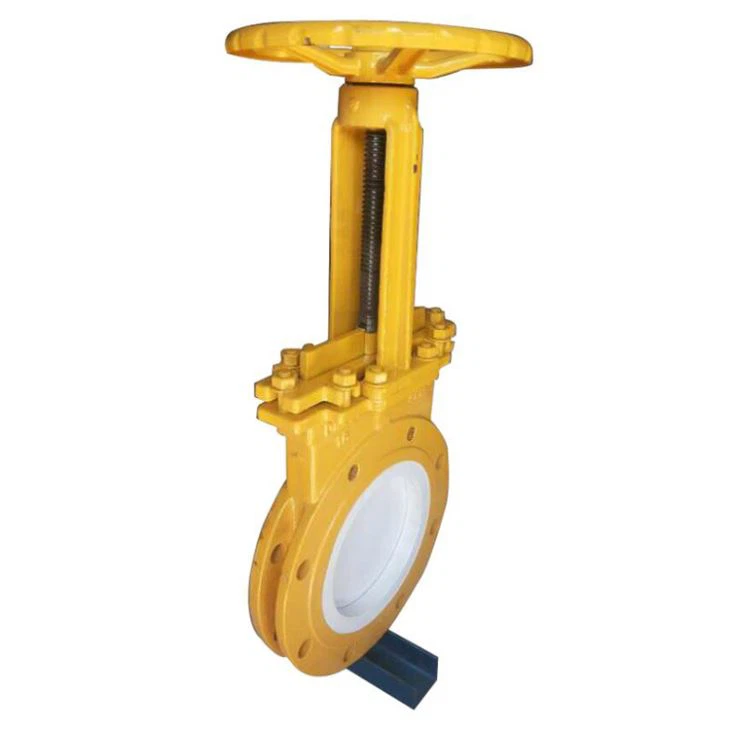
First off, let's understand what a Knife Gate Valve is. It's a type of valve that uses a blade to cut through media and control the flow. These valves are commonly used in industries like mining, wastewater treatment, and pulp and paper, where handling thick, abrasive, or viscous materials is the norm.
Now, the pressure rating of a Knife Gate Valve refers to the maximum pressure it can safely handle. This rating is determined by several factors, including the valve's design, materials, and manufacturing process.

Factors Affecting Pressure Rating
Design
The design of a Knife Gate Valve plays a significant role in its pressure - handling capabilities. For instance, the thickness of the valve body and gate is crucial. A thicker body and gate can withstand higher pressures without deforming. Also, the way the valve is constructed, such as the type of seals and the connection method, can impact the pressure rating.
Materials
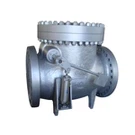
The materials used in the construction of the valve are another key factor. Metal Seated Knife Gate Valves, like the ones you can check out here, are often made from high - strength metals like stainless steel or carbon steel. These metals can handle relatively high pressures. On the other hand, resilient seated knife gate valves, as seen here, use rubber or other elastomeric materials for the seats. While they offer excellent sealing properties, their pressure ratings might be lower compared to metal - seated valves, especially in high - temperature or high - pressure applications.
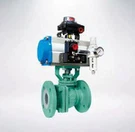
Ceramic knife gate valves, available here, are known for their extreme wear resistance. However, ceramics are brittle materials, and their pressure ratings need to be carefully considered. The ceramic components need to be designed and installed in a way that they can handle the pressure without cracking.
Manufacturing Process
A well - manufactured valve is more likely to have a reliable pressure rating. Precision machining, proper heat treatment, and quality control during the manufacturing process ensure that the valve can perform as expected under pressure. For example, if the seals are not installed correctly, it can lead to leaks even at lower pressures.
Common Pressure Ratings
Knife Gate Valves come in a wide range of pressure ratings. In general, for low - pressure applications, such as in some wastewater treatment plants, valves with pressure ratings of around 150 psi (pounds per square inch) or lower might be sufficient. These valves are often the resilient seated type, which are cost - effective and suitable for non - aggressive media at low pressures.
For medium - pressure applications, like in some chemical processing plants, valves with pressure ratings in the range of 150 - 300 psi are commonly used. Metal Seated Knife Gate Valves are a popular choice in these scenarios as they can handle the pressure and the potentially corrosive media.
In high - pressure applications, such as in mining operations where slurries are pumped at high pressures, valves with pressure ratings of 300 psi or higher are required. Specialized high - pressure Knife Gate Valves are designed and manufactured to meet these demanding conditions. These valves often have reinforced bodies and gates, as well as high - performance seals.
How to Determine the Right Pressure Rating for Your Application
Choosing the right pressure rating for your Knife Gate Valve is crucial. Here are some steps to help you make the right decision:
Analyze the System Pressure
First, you need to determine the maximum pressure that the valve will be exposed to in your system. This includes considering factors like the pump pressure, the elevation changes in the pipeline, and any pressure surges that might occur. You can consult with a process engineer or use pressure - measuring devices to get an accurate reading.
Consider the Media
The type of media flowing through the valve also affects the pressure rating selection. If the media is abrasive, corrosive, or viscous, it can put additional stress on the valve. For example, a slurry with large particles can cause more wear on the valve components, and a corrosive chemical can weaken the materials over time. You need to choose a valve with a pressure rating that can handle the combination of pressure and media conditions.
Think About Future Expansion
It's also a good idea to consider any future expansion plans for your system. If you plan to increase the production or modify the process in the future, the pressure requirements might change. Choosing a valve with a slightly higher pressure rating than your current needs can provide some flexibility for future changes.
Importance of Correct Pressure Rating
Using a Knife Gate Valve with the wrong pressure rating can lead to several problems. If the pressure rating is too low, the valve can fail under pressure. This can result in leaks, which can be dangerous, especially if the media is toxic or flammable. It can also lead to production downtime and costly repairs.
On the other hand, using a valve with a much higher pressure rating than necessary can be overkill and more expensive. You'll end up spending more on the valve and potentially on the installation and maintenance as well.
Contact Us for Your Knife Gate Valve Needs
If you're still unsure about the pressure rating for your Knife Gate Valve or need help choosing the right valve for your application, don't hesitate to contact us. We've got a team of experts who can guide you through the process and help you find the perfect valve for your project. Whether you need a Metal Seated Knife Gate Valve, a resilient seated knife gate valve, or a Ceramic knife gate valve, we've got you covered. Let's work together to ensure your system runs smoothly and efficiently.
References
- Valve Handbook, Crane Co.
- Industrial Valves: Selection, Installation, and Maintenance, McGraw - Hill
So, that's all about the pressure rating of Knife Gate Valves. I hope this blog has been helpful to you. If you have any more questions, feel free to leave a comment or reach out to us.