

Hey there! As a supplier of Slurry Gate Valves, I've gotten tons of questions about the different parts of these valves. One question that pops up a lot is about the bonnet. So, let's dig into what the function of the bonnet in a Slurry Gate Valve really is.
First off, what's a bonnet? In simple terms, a bonnet is like a cover for the valve body. It's an essential part of the Slurry Gate Valve, and it plays multiple important roles.
One of the main functions of the bonnet is containment. When the Slurry Gate Valve is in operation, it deals with all sorts of slurries - mixtures of liquids and solid particles. These slurries can be pretty harsh, with high pressures and abrasive particles. The bonnet acts as a barrier, keeping the slurry inside the valve body. It prevents any leakage that could cause messes, safety hazards, or damage to the surrounding equipment. Without a properly functioning bonnet, the slurry could seep out, leading to all kinds of problems.
Another key function is protection. The bonnet shields the internal components of the valve from external elements. Think about it - in industrial settings, there are all sorts of things floating around in the air, like dust, debris, and even corrosive chemicals. The bonnet keeps these things away from the valve's moving parts, such as the gate and the stem. This helps to extend the lifespan of the valve and ensures that it operates smoothly for a long time. For example, if dust gets into the valve, it can cause wear and tear on the parts, leading to malfunctions and costly repairs.
The bonnet also plays a role in maintenance. It's designed to be removable, which makes it easier to access the internal parts of the valve for inspection, cleaning, and repair. When it's time to check the condition of the gate or replace a worn - out seal, technicians can simply remove the bonnet and get to work. This saves a lot of time and effort compared to having a valve that's completely sealed and difficult to take apart.
Now, let's talk about the different types of bonnets used in Slurry Gate Valves. There are several common designs, each with its own advantages.
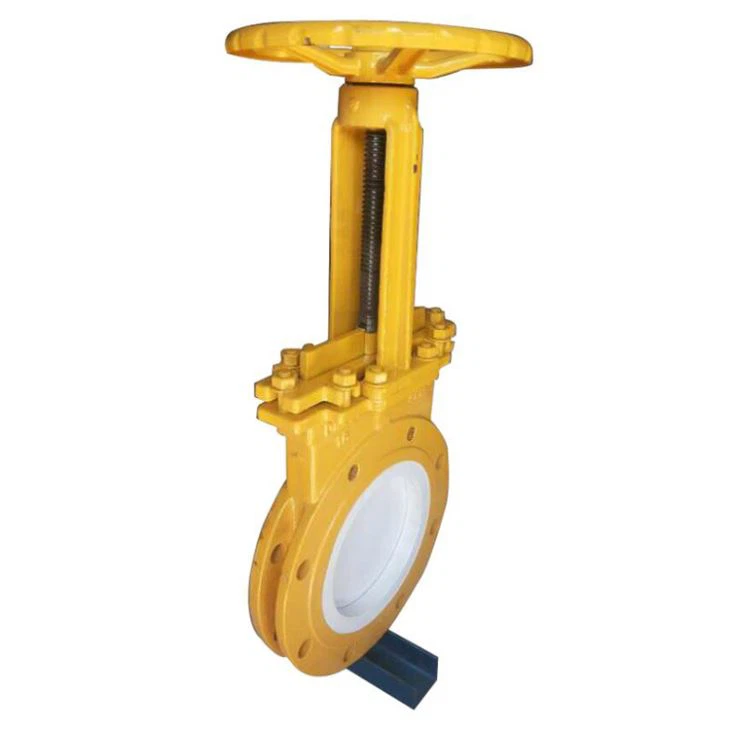

One type is the bolted bonnet. This is a very popular choice because it's relatively easy to install and remove. The bonnet is attached to the valve body using bolts, which provide a secure connection. It can handle high pressures and is suitable for a wide range of applications. However, it does require some tools to remove, which might be a bit of a hassle during maintenance.
Another type is the welded bonnet. As the name suggests, the bonnet is welded to the valve body. This creates a very strong and leak - proof connection. Welded bonnets are often used in applications where there are extremely high pressures or where a hermetic seal is required. But the downside is that once it's welded, it's not easy to remove. If there's a problem inside the valve, it might be necessary to cut the weld, which can be time - consuming and expensive.
There's also the pressure - seal bonnet. This type of bonnet uses the pressure of the fluid inside the valve to create a tight seal. As the pressure increases, the seal gets better. Pressure - seal bonnets are great for high - pressure applications, but they can be more complex to design and manufacture.
When choosing a Slurry Gate Valve, the type of bonnet is an important consideration. You need to think about the specific requirements of your application, such as the pressure, temperature, and the nature of the slurry. For example, if you're dealing with a highly abrasive slurry, you might want a valve with a bonnet that provides extra protection.
At our company, we offer a wide range of Slurry Gate Valves with different bonnet designs to meet the diverse needs of our customers. We also have some specialized valves, like the Ceramic knife gate valve. Ceramic valves are known for their excellent wear resistance, which is great when dealing with abrasive slurries. The bonnet on these valves is designed to work in harmony with the ceramic components, ensuring long - term performance.
Our resilient seated knife gate valve is another popular option. The resilient seat provides a tight seal, and the bonnet helps to maintain that seal even under challenging conditions. This valve is suitable for a variety of applications, from wastewater treatment to mining operations.
If you're looking for a valve that can handle tough conditions, our Urethan knife gate valve is worth considering. The urethane lining provides excellent corrosion and abrasion resistance, and the bonnet is designed to protect the lining and the internal parts of the valve.
In conclusion, the bonnet in a Slurry Gate Valve is not just a simple cover. It has multiple important functions, including containment, protection, and facilitating maintenance. The choice of bonnet design depends on the specific requirements of your application. Whether you need a valve for a small - scale operation or a large - scale industrial project, we have the expertise and the products to meet your needs.
If you're interested in learning more about our Slurry Gate Valves or have any questions about the bonnet or other parts of the valve, don't hesitate to reach out. We're here to help you find the right solution for your business. Contact us today to start the procurement discussion and find the perfect Slurry Gate Valve for your application.
References
- Valve Handbook, 4th Edition, CRC Press
- Industrial Valves: Selection, Specification, and Installation, McGraw - Hill