

What is the function of a Pressure Relief Valve?


Hey there! As a supplier of pressure relief valves, I'm stoked to dive into the world of these nifty devices and explain what they're all about. So, let's get right into it and talk about the functions of a pressure relief valve.
First off, what the heck is a pressure relief valve? Well, it's a safety device that's designed to protect your equipment, systems, and even people from the dangers of over - pressure. You see, in a lot of industrial processes, there are systems where fluids (liquids or gases) are under pressure. Sometimes, things can go wrong, and the pressure can build up way beyond what the system is designed to handle. That's where the pressure relief valve steps in like a superhero.
One of the main functions of a pressure relief valve is to prevent catastrophic failures. Imagine a boiler system. If the pressure inside the boiler keeps rising and there's no way to release it, the boiler could explode. That's not just bad for the equipment; it can also cause serious harm to anyone nearby. A pressure relief valve is set to open at a specific pressure, called the set pressure. When the pressure in the system reaches that set point, the valve opens and allows some of the fluid to escape. This reduces the pressure in the system, keeping it within safe limits.
Let's say you're dealing with a steam system. The steam relief valve is crucial here. Steam is often used in industrial processes for heating, power generation, and more. But steam can be extremely dangerous if the pressure isn't controlled. A steam relief valve will open when the steam pressure gets too high, venting off the excess steam and preventing damage to pipes, valves, and other components in the steam system.
Another important function is to protect against pressure surges. In a pipeline, for example, a sudden change in flow rate can cause a pressure surge. This could happen when a valve is quickly closed or opened. These surges can put a lot of stress on the pipeline and its components. A pressure relief valve can respond to these surges by opening briefly to relieve the excess pressure. This helps to prevent leaks, ruptures, and other damage to the pipeline.
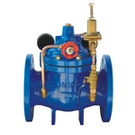
Now, let's talk about different types of pressure relief valves and their specific functions. The Jacket Relief Valve is used in systems where there's a jacket around a vessel or pipe. This jacket might be used for heating or cooling purposes. The jacket relief valve ensures that the pressure in the jacket doesn't get too high. If the pressure in the jacket builds up, it could cause the jacket to rupture, which could lead to leaks of the heating or cooling fluid. The valve will open at the set pressure to release the excess pressure and protect the jacket.
The Pressure Vacuum Relief Valve is a bit special. It not only protects against over - pressure but also against vacuum conditions. In some systems, a vacuum can form, which can be just as dangerous as over - pressure. For example, in a storage tank, if the temperature drops rapidly, the vapor inside the tank can condense, creating a vacuum. A pressure vacuum relief valve will open to allow air or another gas to enter the tank, equalizing the pressure and preventing the tank from collapsing.
In addition to safety, pressure relief valves also play a role in maintaining the efficiency of a system. When a system is operating at the right pressure, it can function more smoothly. For example, in a chemical processing plant, different reactions might require specific pressure conditions. By keeping the pressure within the desired range, the pressure relief valve helps to ensure that the chemical reactions occur as intended, leading to better product quality and higher production rates.
But it's not just about the big industrial systems. Pressure relief valves are also used in smaller applications. For instance, in a home water heater, there's a pressure relief valve. This valve protects the water heater from over - pressure. If the temperature and pressure inside the water heater get too high, the valve will open and release some water, preventing the water heater from exploding.
So, as you can see, pressure relief valves are super important in a wide range of applications. They keep our systems safe, prevent damage, and help to maintain efficiency. At our company, we offer a wide variety of pressure relief valves to meet different needs. Whether you're in the oil and gas industry, chemical processing, power generation, or any other field that requires pressure control, we've got you covered.
If you're in the market for a pressure relief valve, or if you have any questions about which valve is right for your application, don't hesitate to reach out. We're here to help you make the best choice and ensure that your systems are safe and efficient. Let's start a conversation about your pressure relief valve needs, and we'll work together to find the perfect solution for you.
References
- ASME Boiler and Pressure Vessel Code
- API 520 and API 521 standards for pressure - relieving systems
- Various industry - specific technical manuals and guidelines on pressure control and safety.