

What is the flow direction requirement for a metal seated ball valve?
As a trusted supplier of metal seated ball valves, I've encountered numerous inquiries regarding the flow direction requirements of these essential components. Understanding the flow direction is crucial for ensuring the optimal performance, longevity, and safety of metal seated ball valves in various applications. In this blog post, I'll delve into the intricacies of flow direction requirements for metal seated ball valves, shedding light on the factors that influence them and offering practical insights for proper installation and operation.
Understanding Metal Seated Ball Valves
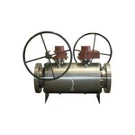
Before we explore the flow direction requirements, let's briefly review what metal seated ball valves are and how they work. A metal seated ball valve is a type of quarter - turn valve that uses a spherical closure element (the ball) with a hole (bore) through it to control the flow of fluid. The ball is typically made of metal, and the valve seats are also metal, which provides excellent durability, resistance to high temperatures, and the ability to handle abrasive and erosive fluids.
When the valve is open, the bore of the ball aligns with the pipeline, allowing fluid to flow through. When the valve is closed, the ball is rotated a quarter - turn (90 degrees), blocking the flow path. Metal seated ball valves are commonly used in industries such as oil and gas, power generation, chemical processing, and mining, where they are exposed to harsh operating conditions.
Flow Direction Requirements
The flow direction requirement for a metal seated ball valve depends on several factors, including the valve design, the application, and the operating conditions.
Unidirectional Valves
Some metal seated ball valves are designed to be unidirectional, meaning they are intended to be installed with the flow in a specific direction. Unidirectional valves often have a pressure - assisted sealing mechanism. In these valves, the pressure of the fluid acts on the ball, forcing it against the downstream seat, which enhances the sealing performance.
For example, in a high - pressure gas pipeline, a unidirectional metal seated ball valve can provide a tight seal when the flow is in the correct direction. If the valve is installed in the wrong direction, the sealing performance may be compromised, leading to leakage and potential safety hazards.
Bidirectional Valves
On the other hand, many modern metal seated ball valves are bidirectional, which means they can be installed and operated with the flow in either direction. Bidirectional valves are designed with symmetrical seats and sealing mechanisms that allow them to provide a reliable seal regardless of the flow direction.
This flexibility is particularly advantageous in applications where the flow direction may change, such as in a pipeline system with reverse flow capabilities or in a process where the fluid may flow in different directions during normal operation. For instance, in a chemical processing plant, a bidirectional metal seated ball valve can be used in a piping network where the fluid may be pumped in different directions depending on the process requirements.
Factors Influencing Flow Direction Requirements
Several factors can influence whether a metal seated ball valve should be installed in a specific flow direction:
Sealing Performance
As mentioned earlier, the sealing performance is a key factor. Unidirectional valves rely on the pressure of the fluid to enhance the seal, so they need to be installed with the correct flow direction. Bidirectional valves, however, are designed to provide a good seal in both directions, but the sealing performance may still vary slightly depending on the flow direction.
Erosion and Wear
The flow direction can also affect the erosion and wear of the valve components. In a unidirectional valve, the fluid flow is designed to impinge on the valve components in a way that minimizes erosion. If the valve is installed in the wrong direction, the fluid may cause excessive erosion on the seats and ball, reducing the valve's lifespan.
In bidirectional valves, the design aims to distribute the erosive forces evenly regardless of the flow direction. However, in applications with highly abrasive fluids, it's still important to consider the potential impact of flow direction on erosion.
Pressure Drop
The flow direction can influence the pressure drop across the valve. In some cases, the pressure drop may be lower when the valve is installed in the recommended flow direction. This is because the valve's internal geometry is optimized for a particular flow path. A higher - than - expected pressure drop can increase the energy consumption of the system and may affect the overall performance of the pipeline.
Installation and Operation Considerations
When installing a metal seated ball valve, it's essential to follow the manufacturer's instructions regarding the flow direction. The valve body is usually marked with an arrow indicating the recommended flow direction.


If you're unsure whether a valve is unidirectional or bidirectional, consult the valve's technical documentation or contact the manufacturer. In some cases, a valve may have specific requirements for the orientation of the valve stem or the position of the actuator based on the flow direction.
During operation, it's also important to monitor the valve's performance regularly. Check for any signs of leakage, abnormal noise, or changes in pressure drop. If you notice any issues, it may be necessary to inspect the valve to ensure it is installed correctly and that the flow direction is appropriate.
Comparison with Other Types of Ball Valves
It's interesting to compare the flow direction requirements of metal seated ball valves with other types of ball valves, such as Soft Seated Ball Valve and DBB ball valve.
Soft seated ball valves typically have elastomeric seats, which provide a tight seal at lower pressures and temperatures. While many soft seated ball valves are bidirectional, they may have limitations in terms of temperature and chemical compatibility compared to metal seated ball valves. The flow direction requirements for soft seated ball valves are generally similar to those of metal seated ball valves, but the sealing performance and durability may be more affected by the flow direction in some cases.
DBB ball valves, or double - block - and - bleed ball valves, are designed to provide a double seal and a bleed function. These valves can be either unidirectional or bidirectional, depending on the design. The flow direction requirements for DBB ball valves are important for ensuring the proper functioning of the double - block - and - bleed feature, which is crucial for safety and isolation in high - pressure and high - risk applications.
Conclusion
In conclusion, understanding the flow direction requirement for a metal seated ball valve is essential for its proper installation, operation, and performance. Whether a valve is unidirectional or bidirectional depends on the valve design, application, and operating conditions. By following the manufacturer's guidelines and considering the factors that influence flow direction, you can ensure that your metal seated ball valve provides reliable service and a long lifespan.
If you're in the market for a metal seated ball valve or need more information about flow direction requirements, feel free to reach out to us. Our team of experts is ready to assist you in selecting the right valve for your application and providing guidance on installation and operation. We are committed to delivering high - quality metal seated ball valves that meet the most demanding industry standards. Contact us today to start a conversation about your valve needs and explore the possibilities of working together.
References
- "Handbook of Valves and Actuators" by Valves Magazine
- Technical documentation from leading metal seated ball valve manufacturers