

Hey there! As a supplier of Slurry Gate Valves, I've seen firsthand how crucial proper lubrication is for these valves. A well - lubricated Slurry Gate Valve not only operates smoothly but also has a longer lifespan, saving you both time and money in the long run. So, let's dive into how to lubricate a Slurry Gate Valve.
Why Lubrication Matters
Before we get into the how - to, let's talk about why lubrication is so important. Slurry Gate Valves are often used in harsh environments where they're exposed to abrasive materials, high pressures, and varying temperatures. Without proper lubrication, the valve components can wear out quickly. Friction between moving parts can cause excessive heat, which might lead to deformation or even failure of the valve. Lubrication reduces this friction, allowing the valve to open and close with ease and protecting it from premature wear.
Tools and Lubricants You'll Need
First things first, you'll need the right tools and lubricants. For tools, a simple grease gun is usually sufficient. It allows you to apply the lubricant precisely where it's needed. As for lubricants, you have a few options. A high - quality, heavy - duty grease is often a great choice. It can withstand the high pressures and abrasive nature of the slurry. Make sure the grease is compatible with the materials used in your valve. For example, if your valve has rubber seals, use a grease that won't damage the rubber.
Step - by - Step Lubrication Process
1. Preparation
Before you start lubricating, it's essential to shut down the system to which the valve is connected. This ensures your safety and prevents any accidental damage to the valve or the system. Next, clean the valve thoroughly. Use a soft brush to remove any dirt, debris, or slurry that might have accumulated on the valve surfaces. Pay special attention to the areas around the lubrication points.
2. Identify Lubrication Points
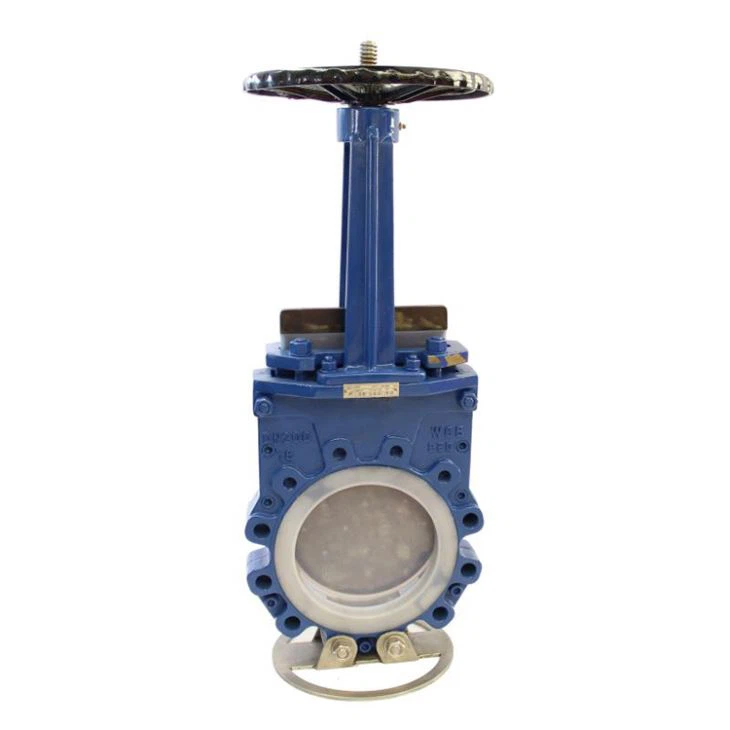
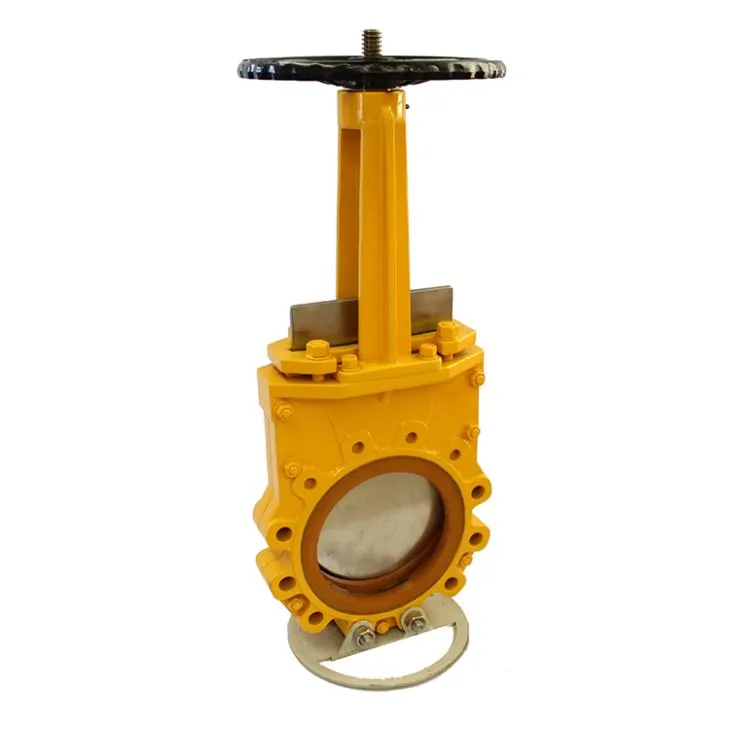
Slurry Gate Valves typically have specific lubrication points. These are usually marked on the valve body. Common lubrication points include the stem, the gate guides, and the packing area. The stem is the part that connects the actuator to the gate, and lubricating it ensures smooth operation when opening and closing the valve. The gate guides keep the gate in place as it moves up and down, and lubrication here reduces friction and wear. The packing area seals the stem to prevent leakage, and proper lubrication helps maintain a good seal.
3. Apply Lubricant
Once you've identified the lubrication points, it's time to apply the lubricant. If you're using a grease gun, attach the appropriate nozzle to the gun. Insert the nozzle into the lubrication point and slowly pump the grease gun. Apply a steady amount of lubricant until you see a small amount of fresh grease oozing out from the other side of the lubrication point. This indicates that the lubricant has filled the space and is starting to displace any old or contaminated grease.
4. Work the Valve
After applying the lubricant, it's a good idea to work the valve a few times. Open and close the valve slowly to distribute the lubricant evenly throughout the moving parts. This helps the lubricant reach all the nooks and crannies and ensures that it's doing its job effectively.
5. Clean Up
Once you're done lubricating and working the valve, clean up any excess lubricant. Use a clean cloth to wipe away any grease that might have dripped onto the valve body or surrounding areas. This not only keeps the valve looking clean but also prevents dirt and debris from sticking to the lubricant.
Special Considerations for Different Types of Slurry Gate Valves
We offer different types of Slurry Gate Valves, each with its own unique characteristics. For example, the resilient seated knife gate valve has a rubber seat that provides a tight seal. When lubricating this type of valve, make sure to use a lubricant that won't damage the rubber. The Metal Seated Knife Gate Valve is more suitable for high - temperature and high - pressure applications. It requires a lubricant that can withstand these extreme conditions. And the Urethan knife gate valve has a urethane lining that offers excellent abrasion resistance. Lubrication for this valve should be done carefully to avoid damaging the lining.
Frequency of Lubrication
The frequency of lubrication depends on several factors, such as the operating conditions, the type of slurry, and the valve design. In general, if the valve is used in a high - pressure, high - flow, or highly abrasive environment, it may need to be lubricated more frequently. A good rule of thumb is to check the valve's lubrication at least once a month and lubricate as needed. However, if you notice any signs of increased friction, such as difficulty in opening or closing the valve, it's a sign that lubrication is required immediately.
Troubleshooting Lubrication Issues
Sometimes, even with proper lubrication, you might encounter issues. If the valve is still not operating smoothly after lubrication, there could be other problems. For example, there might be debris stuck in the valve that's preventing it from moving freely. In this case, you may need to disassemble the valve carefully and clean it thoroughly. Another possibility is that the lubricant is not the right type for the valve. Make sure to double - check the compatibility of the lubricant with the valve materials.
Conclusion
Proper lubrication of a Slurry Gate Valve is a simple yet essential task that can significantly improve the valve's performance and lifespan. By following the steps outlined above and considering the specific requirements of your valve, you can ensure that your Slurry Gate Valve operates smoothly and efficiently.
If you're in the market for a new Slurry Gate Valve or have any questions about lubrication or valve maintenance, don't hesitate to reach out. We're here to help you make the best choice for your needs and ensure that your valves are always in top - notch condition.
References
- "Valve Handbook: Principles and Applications"
- Industry standards and guidelines for Slurry Gate Valve maintenance