

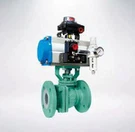
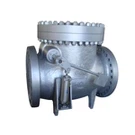
Hey there! As a gate valve supplier, I often get asked about the fire-safety performance of gate valves. It's a crucial topic, especially in industries where fire hazards are a real concern. So, let's dive right in and explore what makes a gate valve fire-safe.
Understanding Gate Valves First
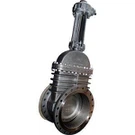
Before we talk about fire safety, let's quickly go over what a gate valve is. A gate valve is a type of valve that uses a gate or wedge to control the flow of fluid through a pipeline. When the gate is fully raised, the valve is open, allowing fluid to pass through. When the gate is lowered, it blocks the flow. Gate valves are commonly used in a wide range of industries, including oil and gas, chemical processing, and power generation.
Fire-Safety Requirements
In many industrial settings, fire safety is of utmost importance. Gate valves need to meet certain fire-safety standards to ensure they can perform reliably in the event of a fire. These standards typically require that the valve can prevent the escape of flammable fluids and maintain its integrity under high temperatures.
One of the key factors in a gate valve's fire-safety performance is its seat design. A well-designed seat can help to prevent leakage during a fire. For example, a Flat Bottom Brake Seat is known for its excellent sealing properties. This type of seat design can provide a tight seal even under extreme conditions, reducing the risk of fluid leakage that could fuel a fire.
Materials Matter
The materials used in the construction of a gate valve also play a significant role in its fire-safety performance. High-quality materials that can withstand high temperatures are essential. For instance, many fire-safe gate valves are made from materials like stainless steel or alloy steel. These materials have good heat resistance and can maintain their strength and integrity in a fire.
In addition to the body material, the sealing materials are also crucial. Fire-safe gate valves often use graphite-based seals. Graphite has excellent thermal stability and can form a tight seal even at high temperatures. This helps to prevent the leakage of flammable fluids during a fire.
Testing and Certification
To ensure that a gate valve meets the required fire-safety standards, it needs to undergo rigorous testing. There are several international standards for fire-safety testing of valves, such as API 607 and ISO 10497. These standards specify the test procedures and performance criteria for fire-safe valves.
A gate valve that has been tested and certified to meet these standards provides assurance to customers that it will perform reliably in a fire. For example, our API Gate Valve has been tested in accordance with API 607 standards. This means that it has been proven to have excellent fire-safety performance and can be trusted in critical applications.
Special Designs for Fire Safety
Some gate valves are designed specifically with fire safety in mind. For example, a Bellow Sealed Gate Valve offers an additional layer of protection. The bellows seal acts as a secondary seal, preventing the leakage of fluid even if the primary seal fails during a fire.
This type of valve is particularly useful in applications where the prevention of fugitive emissions is critical. In a fire situation, the bellows seal can help to contain the flammable fluids and prevent them from spreading, reducing the risk of a more severe fire.
Real-World Applications
In real-world industrial applications, the fire-safety performance of gate valves can have a significant impact. For example, in an oil refinery, a fire-safe gate valve can prevent the leakage of flammable oil during a fire, reducing the risk of explosions and protecting the lives of workers.
Similarly, in a chemical processing plant, a fire-safe gate valve can prevent the release of hazardous chemicals, minimizing the environmental impact and ensuring the safety of the surrounding community.
Maintaining Fire-Safety Performance
Once a gate valve is installed, proper maintenance is essential to ensure its continued fire-safety performance. Regular inspections and maintenance can help to detect any potential issues early and prevent them from becoming major problems.
For example, checking the seals for wear and tear, and replacing them if necessary, can help to maintain the valve's sealing performance. Also, ensuring that the valve operates smoothly and that the gate can be fully opened and closed is crucial for its proper functioning.
Why Choose Our Gate Valves
As a gate valve supplier, we take pride in offering high-quality gate valves with excellent fire-safety performance. Our valves are designed and manufactured to meet the strictest international standards. We use only the best materials and advanced manufacturing techniques to ensure the reliability and durability of our products.


We also offer a wide range of gate valve designs to meet the specific needs of different applications. Whether you need a standard gate valve or a specialized fire-safe valve, we have the right solution for you.
Let's Talk
If you're in the market for gate valves and are concerned about fire safety, we'd love to hear from you. We can provide you with more information about our products and help you choose the right gate valve for your application. Contact us today to start the conversation about your gate valve needs and how we can assist you in ensuring fire safety in your operations.
References
- API 607 - Fire Test Standard for Soft-Seated Quarter-Turn Valves
- ISO 10497 - Fire - test requirements for valves