

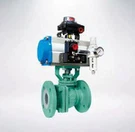
Hey there! As a supplier of PFA lined ball valves, I often get asked about the repair methods for these valves. So, I thought I'd share some insights on this topic.
First off, let's understand what a PFA lined ball valve is. PFA (Perfluoroalkoxy) is a high - performance fluoropolymer. PFA lined ball valves are used in a variety of industries, especially those dealing with corrosive fluids. The PFA lining provides excellent chemical resistance, protecting the valve body from the harsh chemicals flowing through it.
Common Problems with PFA Lined Ball Valves
Before we dive into the repair methods, it's important to know the common issues that these valves might face.
Leakage
One of the most common problems is leakage. This can occur at the valve stem, the valve body joints, or around the ball - seat interface. Leakage can be caused by wear and tear of the seals, damage to the PFA lining, or improper installation.
PFA Lining Damage
The PFA lining can get damaged due to factors like high - velocity fluid flow, abrasive particles in the fluid, or mechanical impact. Once the lining is damaged, the valve body is exposed to the corrosive fluid, which can lead to further deterioration.
Stem and Ball Movement Issues
Sometimes, the valve stem might not rotate smoothly, or the ball might get stuck. This can be due to dirt and debris accumulation, corrosion inside the valve, or misalignment of the components.
Repair Methods for PFA Lined Ball Valves
Seal Replacement
If the leakage is coming from the seals around the valve stem or at the body joints, the first step is to replace the seals. Start by shutting off the flow of fluid through the valve and relieving the pressure. Then, carefully remove the valve cover or the stem packing gland. Take out the old seals and clean the seal grooves thoroughly. Make sure there are no remnants of the old seals or any dirt in the grooves. Install the new seals, following the manufacturer's guidelines on proper installation techniques. This usually involves lubricating the seals with a compatible lubricant and ensuring they are seated correctly.
PFA Lining Repair
When the PFA lining is damaged, the repair process can be a bit more involved. For minor scratches or small holes, you can use a PFA repair kit. These kits typically contain PFA powder and a special bonding agent. First, clean the damaged area of the lining to remove any contaminants. Then, apply the bonding agent to the damaged area and sprinkle the PFA powder on it. Use a heat gun or a specialized heating device to melt the PFA powder, allowing it to bond with the existing lining. This process requires careful temperature control to ensure a proper bond without overheating and damaging the rest of the lining.
For more severe damage, it might be necessary to replace the entire PFA lining. This is a complex process that usually requires professional equipment and expertise. The valve needs to be disassembled, and the old lining removed. A new PFA lining is then applied to the valve body using techniques like powder coating or lining molding.
Cleaning and Lubrication
If the valve stem or ball is having movement issues, cleaning the valve can often solve the problem. Disassemble the valve and soak the components in a suitable cleaning solution to remove dirt, debris, and corrosion products. After cleaning, dry the components thoroughly. Then, apply a high - quality lubricant to the stem, ball, and other moving parts. Make sure to use a lubricant that is compatible with the PFA lining and the fluid that the valve will be handling. This will help reduce friction and ensure smooth operation of the valve.


Component Realignment
In case of misalignment of the valve stem or the ball, realignment is necessary. This requires careful inspection of the valve components to identify the source of the misalignment. You may need to adjust the position of the stem or the ball using appropriate tools. Make sure that all the components are properly aligned and tightened according to the manufacturer's specifications.
When to Seek Professional Help
While some minor repairs can be done in - house, there are situations where it's best to seek professional help. If you're unsure about the cause of the problem, or if the repair involves complex procedures like complete PFA lining replacement, it's advisable to contact an experienced valve repair service. They have the necessary tools, expertise, and access to high - quality replacement parts.
Importance of Regular Maintenance
Regular maintenance is key to preventing major problems with PFA lined ball valves. This includes routine inspections, cleaning, and lubrication. By catching small issues early, you can avoid costly repairs and extend the lifespan of your valves.
Related Products
If you're interested in other types of ball valves, we also offer Fully Welded Ball Valve, Floating Type Ball Valve, and Soft Seated Ball Valve. These valves have their own unique features and applications, and they can be a great addition to your industrial setup.
Contact Us for Purchase and Discussion
If you're in the market for PFA lined ball valves or need further advice on valve repair and maintenance, don't hesitate to get in touch. We're here to provide you with high - quality products and expert guidance. Whether you have a small - scale project or a large industrial application, we can help you find the right valve solution.
References
- Valve Handbook, John A. Nesbitt
- Fluoropolymer Applications in Chemical Processing, George H. Kalasinsky