

What is the Energy Consumption of an Automatic Control Valve?
As a trusted supplier of automatic control valves, I've been frequently asked about the energy consumption of these essential devices. Automatic control valves play a pivotal role in various industrial and commercial applications, regulating the flow, pressure, and temperature of fluids. Understanding their energy consumption is crucial for optimizing system efficiency, reducing operational costs, and minimizing environmental impact.
Factors Affecting Energy Consumption
The energy consumption of an automatic control valve is influenced by several factors, each of which contributes to the overall power requirements of the valve. Let's explore these factors in detail:
1. Valve Type and Design
Different types of automatic control valves have varying energy consumption characteristics. For instance, a Non-Modulating Float Valve operates based on a simple mechanical principle, using a float to control the flow of liquid. These valves typically have low energy consumption as they do not require external power sources for basic operation.
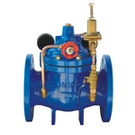
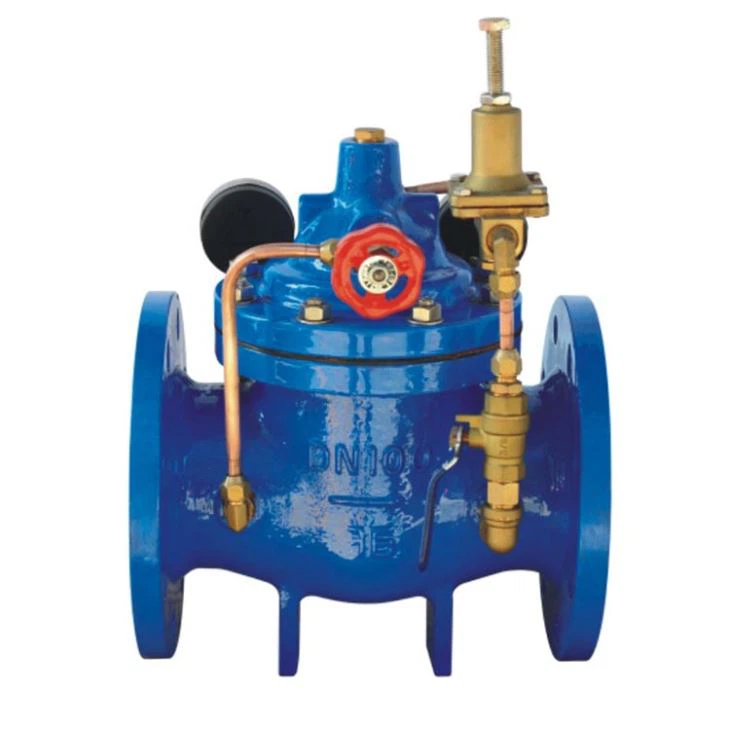
On the other hand, more complex valves such as the 200X Pressure Reducing Valve may require additional energy to operate. These valves use sensors and actuators to monitor and adjust the pressure of the fluid, which can increase the power requirements. The design of the valve, including the size, shape, and material of the components, also affects energy consumption. Valves with larger diameters or more complex internal structures may require more energy to operate due to increased friction and resistance.
2. Actuator Type
The actuator is the component of the automatic control valve that controls the movement of the valve plug or disc. There are several types of actuators, including electric, pneumatic, and hydraulic actuators, each with its own energy consumption characteristics.
- Electric Actuators: Electric actuators are powered by electricity and are commonly used in applications where precise control and automation are required. These actuators can be highly efficient, especially when using advanced control algorithms and energy-saving technologies. However, the energy consumption of electric actuators can vary depending on the size, type, and operating conditions of the valve.
- Pneumatic Actuators: Pneumatic actuators use compressed air to operate the valve. They are known for their simplicity, reliability, and fast response times. However, the energy consumption of pneumatic actuators is mainly determined by the compressor used to generate the compressed air. Compressors can be energy-intensive, especially if they are not properly sized or maintained.
- Hydraulic Actuators: Hydraulic actuators use hydraulic fluid to operate the valve. They are typically used in applications where high force and torque are required, such as in large industrial valves. Hydraulic actuators can be efficient, but they require a hydraulic power unit, which can consume a significant amount of energy.
3. Operating Conditions
The operating conditions of the automatic control valve also have a significant impact on its energy consumption. Factors such as the flow rate, pressure, temperature, and viscosity of the fluid can all affect the power requirements of the valve.
- Flow Rate: Higher flow rates generally require more energy to operate the valve, as the valve needs to overcome the increased fluid resistance. Valves that are frequently opened and closed to control the flow rate may also consume more energy due to the additional work required to move the valve plug or disc.
- Pressure: Higher pressures can increase the energy consumption of the valve, especially if the valve needs to be designed to withstand the high pressure. Valves that are used to control high-pressure fluids may require more powerful actuators and stronger valve bodies, which can increase the power requirements.
- Temperature: Extreme temperatures can affect the performance and energy consumption of the valve. High temperatures can cause the fluid to expand, increasing the pressure and flow rate, which can require more energy to control. Low temperatures can cause the fluid to become more viscous, increasing the resistance and requiring more energy to move the valve.
- Viscosity: Fluids with higher viscosities require more energy to flow through the valve, as the valve needs to overcome the increased internal friction. Valves that are used to control viscous fluids may require larger actuators and more powerful motors to operate effectively.
Measuring Energy Consumption
Measuring the energy consumption of an automatic control valve can be challenging, as it depends on several factors and can vary over time. However, there are several methods that can be used to estimate the energy consumption of the valve:
1. Power Metering
One of the most accurate methods of measuring the energy consumption of an automatic control valve is to use a power meter. A power meter can be installed on the electrical circuit of the valve actuator to measure the electrical power consumed by the actuator. This method provides real-time data on the energy consumption of the valve and can be used to monitor the performance of the valve over time.
2. Flow and Pressure Measurements
Another method of estimating the energy consumption of an automatic control valve is to measure the flow rate and pressure of the fluid passing through the valve. By using the flow and pressure data, along with the valve characteristics and operating conditions, it is possible to calculate the power required to operate the valve. This method is less accurate than power metering but can provide a good estimate of the energy consumption of the valve.
3. Manufacturer's Data
Many valve manufacturers provide data on the energy consumption of their valves based on laboratory tests and simulations. This data can be used as a reference to estimate the energy consumption of the valve in a specific application. However, it is important to note that the actual energy consumption of the valve may vary depending on the operating conditions and installation requirements.
Strategies for Reducing Energy Consumption
Reducing the energy consumption of automatic control valves is not only beneficial for the environment but also for the bottom line of the business. Here are some strategies that can be used to reduce the energy consumption of automatic control valves:
1. Select the Right Valve Type and Size
Choosing the right type and size of automatic control valve for the application is crucial for minimizing energy consumption. Selecting a valve that is too large or too small for the application can result in increased energy consumption and reduced efficiency. It is important to consider the flow rate, pressure, temperature, and viscosity of the fluid, as well as the control requirements of the system, when selecting a valve.

2. Optimize Actuator Selection
Selecting the right actuator for the valve can also have a significant impact on energy consumption. Electric actuators are generally more efficient than pneumatic and hydraulic actuators, especially when using advanced control algorithms and energy-saving technologies. Pneumatic and hydraulic actuators can be optimized by using efficient compressors and hydraulic power units, as well as by properly sizing and maintaining the actuators.
3. Implement Energy-Efficient Control Strategies
Implementing energy-efficient control strategies can help to reduce the energy consumption of automatic control valves. For example, using a variable frequency drive (VFD) to control the speed of the electric actuator can reduce the energy consumption of the valve by adjusting the actuator speed based on the actual demand. Additionally, using advanced control algorithms and sensors to optimize the valve operation can help to reduce the energy consumption of the valve.
4. Regular Maintenance and Inspection
Regular maintenance and inspection of automatic control valves are essential for ensuring their efficient operation and reducing energy consumption. Proper maintenance can help to prevent leaks, reduce friction, and ensure that the valve is operating at its optimal performance. Inspecting the valve regularly can help to identify any issues or problems that may be affecting the energy consumption of the valve and allow for timely repairs and adjustments.
Conclusion
In conclusion, the energy consumption of an automatic control valve is influenced by several factors, including the valve type and design, actuator type, operating conditions, and control strategies. By understanding these factors and implementing energy-efficient strategies, it is possible to reduce the energy consumption of automatic control valves and improve the overall efficiency of the system.
As a supplier of automatic control valves, we are committed to providing our customers with high-quality valves that are energy-efficient and reliable. Our valves are designed and manufactured to meet the highest standards of performance and efficiency, and we offer a wide range of valve types and sizes to meet the specific needs of our customers.
If you are interested in learning more about the energy consumption of our automatic control valves or would like to discuss your specific application requirements, please contact us. Our team of experts will be happy to assist you in selecting the right valve for your application and providing you with the information and support you need to optimize the energy efficiency of your system.
References
- ASHRAE Handbook - HVAC Systems and Equipment. American Society of Heating, Refrigerating and Air-Conditioning Engineers.
- ISO 5208:2015 - Industrial valves - Pressure testing of valves. International Organization for Standardization.
- Valve Handbook, 4th Edition. Butterworth-Heinemann.