

When it comes to industrial fluid control systems, API gate valves play a crucial role. As a reliable API gate valve supplier, I often encounter inquiries about the differences between manual and automated API gate valves. In this blog post, I'll delve into the distinct features, advantages, and applications of both types to help you make an informed decision for your specific needs.
Structural and Operational Basics
API gate valves are designed to control the flow of various fluids, including oil, gas, and water, in pipelines. They operate by raising or lowering a gate within the valve body to either allow or block the flow. The fundamental difference between manual and automated API gate valves lies in how this operation is carried out.
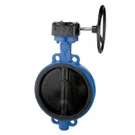
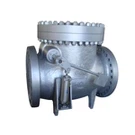
A manual API gate valve is equipped with a handwheel or a lever. The operator physically turns the handwheel or moves the lever to open or close the valve. This simple and direct method has been used for decades and is still widely applied in many industrial settings. For instance, in small-scale factories or remote locations where power supply might be unstable, manual valves are a practical choice.


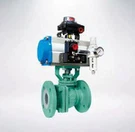
On the other hand, an automated API gate valve uses external power sources such as electricity, pneumatic, or hydraulic power to operate. These valves are integrated with actuators that can be controlled remotely or programmed to open and close at specific times or in response to certain conditions. For example, in large refineries or offshore oil platforms, automated valves can be connected to a central control system, allowing operators to manage the flow of fluids across a vast network of pipelines from a single location.
Advantages of Manual API Gate Valves
One of the primary advantages of manual API gate valves is their simplicity. They have fewer components compared to automated valves, which means there are fewer parts that can fail. This simplicity also makes them easier to install, maintain, and repair. If a manual valve malfunctions, a trained technician can usually diagnose and fix the problem on - site without the need for specialized equipment or complex troubleshooting procedures.
Manual valves are also cost - effective. They do not require additional power sources or sophisticated control systems, which significantly reduces the initial investment and long - term operating costs. For small businesses or projects with limited budgets, manual API gate valves offer a practical solution for fluid control.
In addition, manual valves provide a high level of tactile feedback to the operator. When turning the handwheel, the operator can feel the resistance and the position of the gate, which can be useful in situations where precise control is required. For example, in some chemical processing plants, operators may need to adjust the valve slightly to maintain a specific flow rate, and the tactile feedback of a manual valve allows for more accurate control.
Advantages of Automated API Gate Valves
Automated API gate valves offer unparalleled convenience and efficiency. They can be operated remotely, which is especially beneficial in hazardous or hard - to - reach locations. For example, in nuclear power plants or deep - sea oil drilling platforms, operators can control the valves from a safe distance, reducing the risk of exposure to dangerous substances or harsh environmental conditions.
These valves also provide precise and consistent control. The actuators can be programmed to open or close the valve to a specific position with high accuracy, ensuring a stable flow rate and pressure in the pipeline. This is crucial in industries such as pharmaceuticals and food processing, where even minor fluctuations in flow can affect the quality of the final product.
Automated valves are well - suited for applications that require rapid response. In emergency situations, such as a pipeline leak or a sudden pressure surge, an automated valve can be triggered to close immediately, preventing further damage and ensuring the safety of the system. Moreover, automated valves can be integrated with sensors and monitoring devices to detect changes in pressure, temperature, or flow rate, and adjust the valve operation accordingly.
Applications of Manual and Automated API Gate Valves
Manual API gate valves are commonly used in applications where the flow control requirements are relatively simple and infrequent. They are often found in water distribution systems for small towns or rural areas, where the flow rate does not need to be adjusted frequently. They are also used in some industrial processes, such as in small - scale manufacturing plants or agricultural irrigation systems.
Automated API gate valves are widely used in large - scale industrial applications. In the oil and gas industry, they are used in pipelines, refineries, and storage facilities to control the flow of crude oil, natural gas, and refined products. In power generation plants, automated valves are used to regulate the flow of steam, water, and other fluids, ensuring the efficient operation of the turbines and generators.
In the chemical industry, where precise control of chemical reactions is essential, automated valves are used to introduce reactants at the right time and in the right amount. They are also used in wastewater treatment plants to control the flow of sewage and chemicals, ensuring the effective treatment of water before it is discharged into the environment.
Specialized Types of API Gate Valves
As an API gate valve supplier, I offer a variety of specialized gate valves to meet different customer needs. For example, the Flat Bottom Brake Seat is designed to provide a tight seal and reliable performance. It is suitable for applications where a high - pressure and high - temperature environment is present, such as in steam pipelines.
The soft seat gate valve is another popular option. The soft seat provides a better sealing performance, reducing the risk of leakage. These valves are often used in applications where a zero - leakage seal is required, such as in the food and beverage industry or in pharmaceutical manufacturing.
The flat gate valve is known for its simple structure and wide application. It can be used in a variety of fluids, including corrosive substances, making it a versatile choice for many industrial applications.
Making the Right Choice
When choosing between a manual and an automated API gate valve, several factors need to be considered. First, evaluate the nature of your application. If the flow control is infrequent and the operating environment is relatively simple, a manual valve may be sufficient. However, if you need remote operation, precise control, or rapid response, an automated valve is a better option.
Budget is also an important consideration. Manual valves are generally more cost - effective in terms of initial investment and long - term maintenance. However, if your project requires advanced features and continuous operation, the benefits of an automated valve may outweigh the higher cost.
Finally, consider the availability of resources. If you have a trained maintenance team and easy access to spare parts, a manual valve may be easier to manage. But if you have a reliable power supply and a central control system in place, an automated valve can integrate seamlessly into your existing infrastructure.
Conclusion
In conclusion, both manual and automated API gate valves have their own unique advantages and are suitable for different applications. As an API gate valve supplier, I am committed to providing high - quality valves that meet the diverse needs of my customers. Whether you need a simple manual valve for a small - scale project or a sophisticated automated valve for a large - scale industrial application, I can offer the right solution.
If you are interested in purchasing API gate valves or have any questions about our products, please feel free to contact us. Our team of experts is ready to assist you in selecting the most suitable valve for your specific requirements and guide you through the purchasing process. We look forward to the opportunity to work with you and contribute to the success of your project.
References
- "Valve Handbook" by Milton Beychok
- "Industrial Valve Technology" by David W. Brown
- API Standards for Gate Valves published by the American Petroleum Institute