

Vibration is a common phenomenon in industrial environments and can have a significant impact on the performance and lifespan of gate valves. As a professional gate valve supplier, we have extensive experience and in - depth knowledge of how vibration affects gate valves. In this blog, we will explore the various effects of vibration on gate valves and discuss some solutions to mitigate these issues.
1. Structural Integrity
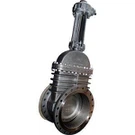
Vibration can pose a serious threat to the structural integrity of gate valves. Gate valves are complex mechanical devices consisting of multiple components such as the body, bonnet, gate, stem, and seat. Continuous vibration can cause loosening of bolts and nuts that hold these components together. For example, the bolts connecting the bonnet to the valve body may gradually loosen over time due to the oscillatory forces. This not only compromises the overall stability of the valve but also increases the risk of leakage.
In addition, vibration can lead to fatigue cracking in the valve body and other critical components. The repeated stress cycles caused by vibration can initiate small cracks, which then propagate over time. Once these cracks reach a critical size, they can cause catastrophic failure of the valve. For instance, in high - pressure applications, a cracked valve body can result in a sudden and dangerous release of the fluid being controlled.
2. Sealing Performance
The sealing performance of a gate valve is crucial for its proper functioning. Vibration can have a negative impact on the sealing ability of the valve. The gate and seat of a gate valve are designed to form a tight seal to prevent leakage. However, vibration can cause the gate to move out of its proper position relative to the seat. This misalignment can create gaps between the gate and the seat, allowing fluid to leak through.
For flat gate valves, which are commonly used in oil and gas pipelines, vibration can be particularly problematic. The flat design of the gate may be more susceptible to movement under vibration, leading to reduced sealing efficiency. Similarly, DIN Resilient seat gate valves rely on a resilient seat material to achieve a good seal. Vibration can cause wear and tear on the seat material, degrading its ability to conform to the gate and maintain a tight seal.
3. Stem and Actuator Operation
The stem of a gate valve is responsible for moving the gate up and down to open and close the valve. Vibration can interfere with the smooth operation of the stem. It can cause the stem to bind or jam, making it difficult or impossible to operate the valve manually or with an actuator. For example, if the stem is misaligned due to vibration, it may rub against the packing or other internal components, increasing the friction and resistance.
Actuators, whether they are electric, pneumatic, or hydraulic, are also affected by vibration. Vibration can cause damage to the actuator's internal components, such as gears, motors, and control systems. This can lead to erratic operation of the actuator, resulting in improper valve positioning and potential process control issues. Bellow Sealed Gate Valves often have more complex actuator systems, and vibration can pose an even greater risk to their reliable operation.
4. Noise and Wear
Vibration in gate valves can generate significant noise. The rattling and banging sounds produced by the vibrating components can be a nuisance in industrial settings and may also indicate potential problems with the valve. Moreover, the continuous contact and movement of components due to vibration can cause excessive wear. The gate, seat, stem, and other parts may experience accelerated wear, reducing their service life and increasing the need for frequent maintenance and replacement.
Mitigation Strategies
As a gate valve supplier, we offer several solutions to mitigate the effects of vibration on gate valves:
- Proper Installation: Ensuring correct installation is the first step. Valves should be installed with proper support and alignment to minimize the transmission of vibration. Adequate pipe supports and flexible connectors can be used to isolate the valve from external vibration sources.
- Vibration - Dampening Materials: Using vibration - dampening materials such as rubber gaskets and shock absorbers can help reduce the impact of vibration on the valve. These materials can absorb and dissipate the energy of the vibration, protecting the valve components.
- Regular Maintenance: Regular inspection and maintenance are essential. This includes checking for loose bolts, inspecting the sealing surfaces, and lubricating the moving parts. Early detection of problems can prevent more serious issues from developing.
Conclusion
In conclusion, vibration can have a wide range of negative effects on gate valves, including damage to structural integrity, reduced sealing performance, interference with stem and actuator operation, and increased noise and wear. As a trusted gate valve supplier, we understand the importance of addressing these issues to ensure the reliable and efficient operation of our valves.


If you are facing vibration - related problems with your gate valves or are in the market for high - quality gate valves that can withstand vibration, we are here to help. Our team of experts can provide you with the best solutions tailored to your specific needs. Contact us today to start a discussion about your gate valve requirements and explore how we can assist you in your procurement process.
References
- API Standards for Gate Valves in Oil and Gas Industry
- ASME Boiler and Pressure Vessel Code related to Valve Design and Installation
- Manufacturer's Technical Documents on Gate Valve Operation and Maintenance