

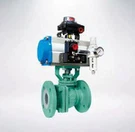
When it comes to industrial fluid control systems, ceramic lined ball valves stand out for their exceptional durability, corrosion resistance, and wear resistance. As a trusted ceramic lined ball valve supplier, I understand the importance of proper installation to ensure the optimal performance and longevity of these valves. In this blog post, I will delve into the installation requirements for ceramic lined ball valves, providing you with valuable insights to guide you through the process.
1. Site Preparation
Before installing a ceramic lined ball valve, it is crucial to prepare the installation site properly. The site should be clean, dry, and free from any debris or contaminants that could potentially damage the valve or affect its performance. Additionally, the site should have sufficient space to accommodate the valve and allow for easy access for maintenance and inspection.
Ensure that the pipeline where the valve will be installed is properly aligned and supported. Misaligned pipelines can cause excessive stress on the valve, leading to premature failure. Use appropriate pipe supports and hangers to prevent sagging or movement of the pipeline.
2. Valve Inspection
Prior to installation, carefully inspect the ceramic lined ball valve to ensure it is in good condition and free from any damage. Check for any cracks, chips, or other defects in the ceramic lining, as these can compromise the valve's performance and integrity. Inspect the valve body, ball, stem, and seats for any signs of damage or wear.
Verify that the valve's dimensions and specifications match the requirements of the installation. Check the valve's pressure rating, temperature rating, and flow capacity to ensure it is suitable for the intended application. Additionally, confirm that the valve's end connections are compatible with the pipeline's end connections.
3. Handling and Storage
Ceramic lined ball valves are delicate and require careful handling to prevent damage. When handling the valve, use appropriate lifting equipment and techniques to avoid dropping or impacting the valve. Avoid applying excessive force or pressure to the valve, as this can cause damage to the ceramic lining or other components.
During storage, store the valve in a clean, dry, and protected environment. Protect the valve from exposure to moisture, extreme temperatures, and corrosive substances. Store the valve in an upright position to prevent damage to the ceramic lining.
4. Installation Procedure
The following steps outline the general installation procedure for a ceramic lined ball valve:
Step 1: Prepare the Pipeline
Clean the pipeline ends thoroughly to remove any dirt, debris, or rust. Use a wire brush or sandpaper to ensure a clean and smooth surface. Apply a suitable sealant or gasket to the pipeline ends to prevent leakage.
Step 2: Position the Valve
Carefully position the valve between the pipeline ends, ensuring that the valve's end connections are aligned with the pipeline's end connections. Use appropriate alignment tools to ensure proper alignment.
Step 3: Connect the Valve
Connect the valve to the pipeline using the appropriate bolts, nuts, and gaskets. Tighten the bolts evenly and gradually to ensure a proper seal. Avoid over-tightening the bolts, as this can cause damage to the valve or the pipeline.
Step 4: Check the Valve Operation
After connecting the valve, check the valve's operation to ensure it opens and closes smoothly. Rotate the valve handle or actuator to verify that the ball rotates freely and that the valve seats properly. Check for any signs of leakage or binding.

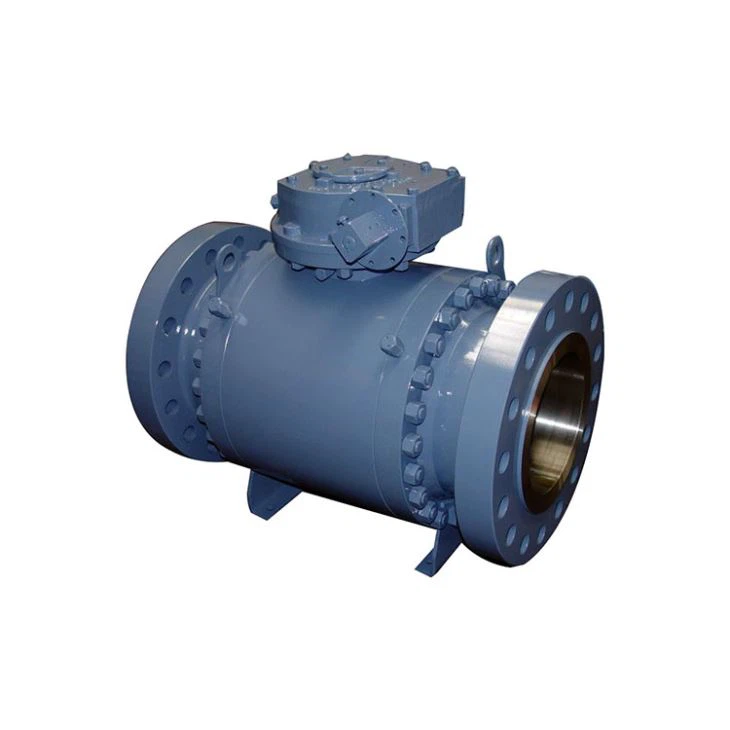
Step 5: Test the System
Once the valve is installed, test the system to ensure it is functioning properly. Gradually increase the pressure and flow rate in the system to check for any leaks or abnormal operation. Monitor the system for a period of time to ensure its stability and reliability.
5. Safety Precautions
When installing a ceramic lined ball valve, it is important to follow all safety precautions to prevent accidents and injuries. Wear appropriate personal protective equipment (PPE), such as safety glasses, gloves, and hard hats. Follow all applicable safety regulations and guidelines.
Ensure that the valve is installed in a well-ventilated area to prevent the accumulation of hazardous gases or vapors. Avoid working on the valve when the system is under pressure. If necessary, isolate the valve and depressurize the system before performing any maintenance or repair work.
6. Maintenance and Inspection
Regular maintenance and inspection are essential to ensure the optimal performance and longevity of a ceramic lined ball valve. Establish a maintenance schedule and perform routine inspections to check for any signs of wear, damage, or leakage. Clean the valve regularly to remove any dirt, debris, or contaminants that could affect its performance.
Replace any worn or damaged components promptly to prevent further damage to the valve. Follow the manufacturer's recommendations for maintenance and repair procedures. Keep a record of all maintenance and inspection activities to track the valve's performance over time.
7. Complementary Products
In addition to ceramic lined ball valves, we also offer a range of complementary products to meet your industrial fluid control needs. Our Metal Seated Ball Valve is designed for high-pressure and high-temperature applications, providing reliable performance and long service life. Our PFA Lined Ball Valve offers excellent corrosion resistance, making it suitable for use in corrosive environments. Our V Port Ball Valve provides precise flow control and is ideal for applications requiring accurate throttling.
Conclusion
Proper installation is crucial to ensure the optimal performance and longevity of a ceramic lined ball valve. By following the installation requirements outlined in this blog post, you can ensure that your ceramic lined ball valve is installed correctly and operates reliably. As a leading ceramic lined ball valve supplier, we are committed to providing high-quality products and exceptional customer service. If you have any questions or need assistance with the installation of a ceramic lined ball valve, please do not hesitate to contact us. We look forward to working with you to meet your industrial fluid control needs.
References
- Valve Installation and Maintenance Manuals
- Industry Standards and Guidelines for Valve Installation