

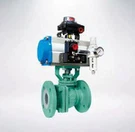
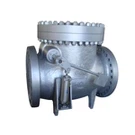
As a supplier of Straight Globe Valve, I've seen firsthand how the valve body material can make or break a valve's performance. It's not just about looks; it's about how well the valve can handle the real - world stuff it's exposed to.
Let's talk about what a straight globe valve does first. It's used to control the flow of fluid, like water, gas, or steam, in a pipeline. By turning the valve stem, you can either open, close, or adjust the flow rate. This function is super important in industries like power generation, oil and gas, and chemical processing.
Now, onto the valve body material. The valve body is like the shell of the valve. It has to hold up under different pressures, temperatures, and the corrosive nature of the fluid it's dealing with. There are several common materials used for valve bodies, each with its own set of pros and cons.
Cast Iron
Cast iron is one of the oldest and most widely used materials for valve bodies. It's cheap, easy to cast into different shapes, and has good mechanical properties. For low - pressure and low - temperature applications, cast iron valves are a great option. They're often used in water supply systems, where the pressure isn't too high and the fluid isn't very corrosive.
But cast iron has its limitations. It's brittle, which means it can crack under high stress. It also doesn't handle corrosive fluids very well. If you're dealing with acidic or alkaline substances, cast iron valves will start to corrode over time, reducing their lifespan and performance.
Carbon Steel
Carbon steel is a popular choice for many industrial applications. It's stronger than cast iron and can handle higher pressures and temperatures. Carbon steel valves are commonly used in oil and gas pipelines, where they need to withstand the harsh conditions of transporting crude oil and natural gas.
One of the great things about carbon steel is its weldability. This makes it easy to install and repair. However, carbon steel is also prone to corrosion, especially in wet or acidic environments. To prevent corrosion, carbon steel valves often need to be coated or lined with a protective material.
Stainless Steel
Stainless steel is a real game - changer when it comes to valve body materials. It has excellent corrosion resistance, which means it can handle a wide range of corrosive fluids, including acids, alkalis, and saltwater. This makes stainless steel valves ideal for chemical processing plants, where the fluids are often highly corrosive.
In addition to its corrosion resistance, stainless steel is also strong and durable. It can withstand high pressures and temperatures. But stainless steel comes at a higher cost compared to cast iron and carbon steel. So, while it's a great long - term investment for applications where corrosion is a major concern, it might not be the best choice for budget - conscious projects.
Alloy Steel
Alloy steel is another option that offers enhanced performance. By adding different alloying elements like chromium, molybdenum, and nickel, alloy steel can have improved strength, hardness, and corrosion resistance. Alloy steel valves are often used in high - temperature and high - pressure applications, such as power generation plants.
Alloy steel is more expensive than carbon steel but offers better performance in extreme conditions. It can handle the steam and high - pressure fluids in power plants without degrading quickly.
The Impact of Valve Body Material on Performance
The choice of valve body material directly impacts a straight globe valve's performance in several ways:
Pressure Rating
The strength of the valve body material determines the maximum pressure the valve can handle. For example, carbon steel and alloy steel valves can usually handle much higher pressures than cast iron valves. If you use a valve with a lower pressure rating than required, it can lead to valve failure, which can be dangerous and costly in an industrial setting.
Temperature Resistance
Different materials have different temperature limits. Stainless steel and alloy steel can handle high temperatures better than cast iron. In applications where the fluid is very hot, like in steam lines, using a valve made of a material that can withstand high temperatures is crucial. Otherwise, the valve body could warp or crack, affecting its ability to control the flow.
Corrosion Resistance
Corrosion can be a major problem for valves. If the valve body starts to corrode, it can cause leaks and reduce the valve's lifespan. Using a material with good corrosion resistance, such as stainless steel, can prevent these issues. In industries like marine and chemical processing, corrosion - resistant valve materials are a must.
Flow Characteristics
The smoothness of the valve body's interior surface, which can be affected by the material and its manufacturing process, can impact the flow of fluid through the valve. A rough interior surface can cause turbulence, which can increase pressure drop and reduce the efficiency of the valve. Some materials, like polished stainless steel, offer a smoother surface and better flow characteristics.
Considerations When Choosing a Valve Body Material
When choosing a valve body material for a straight globe valve, you need to consider several factors. First, think about the application. What kind of fluid will the valve be handling? What are the pressure and temperature conditions? For a water supply system, a cast iron valve might be sufficient. But for a chemical processing plant, stainless steel or alloy steel is a better choice.
Cost is also an important factor. While stainless steel and alloy steel offer better performance in many cases, they are more expensive. You need to balance the cost against the benefits. Sometimes, a less expensive material might be acceptable if the application doesn't require the highest level of performance.
Maintenance requirements are another consideration. Some materials, like carbon steel, might require more frequent maintenance to prevent corrosion. You need to factor in the cost and time of maintenance when choosing a valve body material.
Other Types of Globe Valves
In addition to straight globe valves, we also supply Pressure Seal Globe Valve and Bellow Sealed Globe Valve. Pressure seal globe valves are designed for high - pressure applications. They use the system pressure to enhance the sealing performance of the valve.


Bellow sealed globe valves are used when there's a need to prevent leakage of the fluid. The bellows provide an additional layer of sealing, making them ideal for applications where the fluid is toxic or flammable.
If you're in the market for a straight globe valve or any other type of globe valve, and you're not sure which valve body material is right for your application, don't hesitate to reach out. We're here to help you make the best choice. Whether it's based on your industry's unique needs, budget constraints, or performance requirements, we've got the expertise to guide you. Contact us to start a conversation about your valve procurement and let's find the perfect solution for you.
References
- Valve Handbook, Donovan and Taborek
- Engineering Metallurgy: Properties and Selection, George L. Kehl