

Can Diaphragm Valves be used in oil and gas industries?
In the dynamic and demanding landscape of the oil and gas industries, the selection of appropriate valves is crucial for ensuring the efficient, safe, and reliable operation of various processes. Diaphragm valves, with their unique design and characteristics, have emerged as a topic of interest in these sectors. As a diaphragm valve supplier, I am well - positioned to explore whether these valves can indeed find a place in the oil and gas industries.
Understanding Diaphragm Valves
Diaphragm valves are a type of valve that use a diaphragm to control the flow of fluid. The diaphragm is a flexible membrane that separates the valve body from the flow path. It can be made from various materials such as rubber, Teflon, and other elastomers, depending on the application requirements. When the valve is closed, the diaphragm is pressed against the valve seat, preventing the flow of fluid. When the valve is open, the diaphragm is lifted, allowing fluid to pass through.


One of the significant advantages of diaphragm valves is their excellent sealing capabilities. The diaphragm creates a tight seal, which minimizes the risk of leakage. This is particularly important in industries where the leakage of fluids can have serious consequences, such as in the oil and gas sectors.
There are different types of diaphragm valves available in the market. For example, the Weir Type Diaphragm Valve has a weir or saddle in the valve body. This design allows for a more positive shut - off and is suitable for applications where a tight seal is required. The weir type also provides a relatively low and smooth flow path, which reduces turbulence and pressure drop.
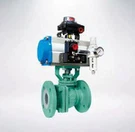
Another type is the Pneumatic Teflon lined diaphragm valve. Teflon lining offers excellent chemical resistance, making it suitable for use with corrosive fluids commonly found in the oil and gas production processes. Pneumatic actuation provides quick and reliable operation, which is beneficial in automated systems.
The pneumatic diaphragm valve is powered by compressed air. Pneumatic actuation allows for precise control of the valve opening and closing, and it can be easily integrated into control systems. This makes it suitable for applications where remote or automated control is required.
Suitability of Diaphragm Valves in Oil and Gas Industries
Advantages
- Corrosion Resistance: In the oil and gas industries, fluids often contain corrosive substances such as hydrogen sulfide, carbon dioxide, and various acids. The ability to choose diaphragm valves with appropriate lining materials, like Teflon - lined valves, provides excellent resistance to these corrosive agents. This helps in prolonging the valve's service life and reducing the frequency of maintenance and replacement.
- Leakage Prevention: The tight sealing provided by the diaphragm is a significant advantage in the oil and gas sectors. Leakage of oil, gas, or other hazardous fluids can lead to environmental pollution, safety hazards, and economic losses. Diaphragm valves' reliable sealing capabilities minimize the risk of such leaks, ensuring the safety of the operation and compliance with environmental regulations.
- Ease of Maintenance: Diaphragm valves are relatively easy to maintain. The diaphragm is the main component that may need replacement over time, and this can be done without the need to remove the entire valve from the pipeline. This reduces downtime during maintenance, which is crucial in continuous oil and gas production processes.
- Suitability for Slurries and Dirty Fluids: In some oil and gas operations, such as drilling fluids handling and produced water treatment, slurries and dirty fluids are common. Diaphragm valves can handle these types of fluids effectively because the diaphragm isolates the valve mechanism from the fluid, reducing the risk of clogging and damage to internal components.
Limitations
- Pressure and Temperature Limitations: Diaphragm valves generally have limitations in terms of the maximum pressure and temperature they can handle compared to some other types of valves, such as gate valves or ball valves. In high - pressure and high - temperature applications found in certain parts of the oil and gas production process, like deep - sea oil wells or high - pressure refining operations, diaphragm valves may not be suitable.
- Flow Capacity: The design of diaphragm valves may result in relatively lower flow capacities compared to some larger - bore valves. In situations where high - volume flow is required, such as in large - scale pipeline transportation, other valve types may be more appropriate.
Applications of Diaphragm Valves in Oil and Gas Industries
- Chemical Injection Systems: In oil and gas production, various chemicals are injected into the wells or pipelines to prevent corrosion, scale formation, and control the growth of bacteria. Diaphragm valves are suitable for these applications because of their excellent chemical resistance and precise flow control capabilities. They can accurately meter the amount of chemicals being injected, ensuring the effectiveness of the chemical treatment.
- Produced Water Treatment: Produced water is the water that comes up along with oil and gas during production. This water often contains various contaminants and needs to be treated before disposal or reuse. Diaphragm valves can be used in the produced water treatment process to control the flow of water through different treatment units, such as filters and separators.
- Instrumentation and Sampling: In oil and gas facilities, accurate instrumentation and sampling are essential for monitoring the process and ensuring the quality of the products. Diaphragm valves can be used to control the flow of fluids to sampling points and instrumentation devices, providing a reliable and leakage - free connection.
Considerations for Using Diaphragm Valves in Oil and Gas Industries
- Material Selection: The choice of diaphragm material and valve body lining material is critical. It should be based on the chemical composition of the fluid, the operating temperature, and pressure. For example, in applications involving highly corrosive fluids, Teflon - lined diaphragm valves are a good choice, while in less corrosive environments, rubber - lined valves may be sufficient.
- Size and Flow Requirements: The size of the diaphragm valve should be selected according to the flow requirements of the specific application. A valve that is too small may result in excessive pressure drop, while a valve that is too large may be costly and may not provide accurate flow control.
- Actuation Method: Depending on the application, the appropriate actuation method should be chosen. Pneumatic actuation is suitable for applications where quick and automated control is required, while manual actuation may be more appropriate for smaller - scale or less critical applications.
Conclusion
In conclusion, diaphragm valves can be used in the oil and gas industries, but their application is limited to certain processes and conditions. Their advantages, such as corrosion resistance, leakage prevention, ease of maintenance, and suitability for slurries, make them a viable option for specific applications such as chemical injection, produced water treatment, and instrumentation. However, their limitations in terms of pressure, temperature, and flow capacity need to be carefully considered.
As a diaphragm valve supplier, I am confident in the quality and performance of our products. We offer a wide range of diaphragm valves, including Pneumatic Teflon lined diaphragm valve, Weir Type Diaphragm Valve, and pneumatic diaphragm valve, to meet the diverse needs of the oil and gas industries. If you are interested in learning more about how our diaphragm valves can be used in your specific operations or if you have any procurement requirements, I encourage you to reach out to us for further discussion.
References
- valve - handbook.com, "Diaphragm Valves: Principles and Applications"
- oilandgasjournal.com, "Valve Selection in Oil and Gas Production"