


Hey there! As a supplier of Slurry Gate Valves, I often get asked about the difference between a knife - edge Slurry Gate Valve and a regular Slurry Gate Valve. So, I thought I'd break it down for you in this blog post.
Let's start with the basics. Slurry gate valves are used in a variety of industries, like mining, power generation, and chemical processing. They're designed to handle thick, abrasive, and corrosive slurries, which are mixtures of solids and liquids. These valves control the flow of these slurries in pipes, and they need to be tough and reliable.
Regular Slurry Gate Valve
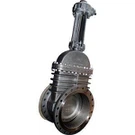
A regular slurry gate valve is a pretty straightforward piece of equipment. It has a gate that moves up and down to open and close the valve. The gate is usually flat and thick, and it's made of materials that can withstand the wear and tear of the slurry. The valve body is also built to be robust, often made of cast iron or steel.
One of the main features of a regular slurry gate valve is its simplicity. It's easy to operate and maintain. You can open or close it manually or use an actuator for automated control. And when it comes to maintenance, if something goes wrong, it's usually not too hard to figure out what the problem is and fix it.

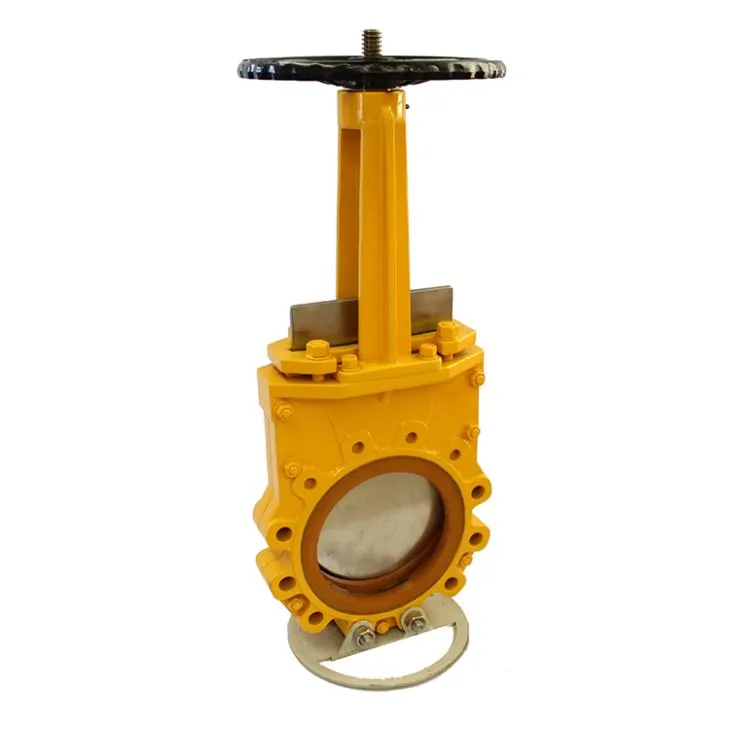
However, regular slurry gate valves do have some limitations. Because the gate is flat, it can sometimes get stuck or jammed when there are large particles in the slurry. Also, the sealing performance might not be as good as some other types of valves. Over time, the slurry can cause wear on the sealing surfaces, leading to leaks.
Knife - Edge Slurry Gate Valve
Now, let's talk about the knife - edge slurry gate valve. As the name suggests, the gate of this valve has a sharp, knife - like edge. This design gives it some unique advantages.
The knife - edge gate is great for cutting through thick, sticky slurries. It can slice through solids and fibrous materials that might cause a regular gate valve to jam. This makes it ideal for applications where the slurry contains large particles or long - fiber materials, like in the pulp and paper industry.
Another advantage of the knife - edge slurry gate valve is its superior sealing performance. The sharp edge can cut through any build - up on the sealing surfaces, ensuring a tight seal. This helps to prevent leaks and reduces the risk of product loss and environmental contamination.
But like any other valve, the knife - edge slurry gate valve also has its drawbacks. It's generally more expensive than a regular slurry gate valve. The manufacturing process for the knife - edge gate is more complex, which drives up the cost. Also, because the knife - edge is sharp, it can be more prone to damage if the slurry contains extremely hard particles. If the edge gets chipped or dulled, it can affect the valve's performance.
Comparison in Different Aspects
Sealing Performance
In terms of sealing, the knife - edge slurry gate valve takes the lead. The sharp edge can cut through deposits on the sealing surfaces, providing a better seal compared to a regular gate valve. This is crucial in applications where leakage is not acceptable, such as in chemical processing plants where even a small leak can be dangerous.
Resistance to Jamming
When it comes to dealing with large particles and fibrous materials, the knife - edge valve is the clear winner. Its ability to cut through these substances means it's less likely to get jammed, while a regular gate valve might struggle in the same situation.
Cost
Cost is an important factor for many customers. Regular slurry gate valves are generally more budget - friendly. They're simpler to manufacture, so the price is lower. If you're on a tight budget and your application doesn't require the special features of a knife - edge valve, a regular slurry gate valve might be the way to go.
Maintenance
Regular slurry gate valves are easier to maintain in general. Their simple design means that there are fewer parts that can go wrong, and it's usually easier to access and repair those parts. However, if a knife - edge valve is well - maintained, it can also have a long service life. But you might need to be more careful with it to avoid damaging the knife - edge.
Applications
The choice between a knife - edge slurry gate valve and a regular slurry gate valve depends largely on the application.
For applications where the slurry contains large particles or fibrous materials, like in mining operations or the food processing industry, a knife - edge slurry gate valve is often the better choice. It can handle these tough conditions without getting jammed.
On the other hand, if the slurry is relatively clean and doesn't contain large particles, and you're looking for a cost - effective solution, a regular slurry gate valve will work just fine. For example, in some water treatment plants where the slurry is mainly made up of fine sediment, a regular gate valve can do the job.
Our Product Range
At our company, we offer a wide range of slurry gate valves, including both regular and knife - edge types. If you're interested in a Urethan knife gate valve, we have high - quality options that are designed to provide excellent corrosion resistance and long - term performance. Our Slurry Knife Gate Valve is suitable for a variety of applications, and we also have Metal Seated Knife Gate Valve for more demanding environments.
Conclusion
In conclusion, both knife - edge slurry gate valves and regular slurry gate valves have their own strengths and weaknesses. The key is to choose the right valve based on your specific application, budget, and performance requirements. If you're still not sure which valve is the best for you, don't hesitate to get in touch with us. We have a team of experts who can help you make the right decision. Whether you need a valve for a small - scale operation or a large industrial plant, we've got you covered. So, if you're in the market for a slurry gate valve, come and talk to us. We're here to provide you with the best products and service.
References
- Valve Handbook, 4th Edition
- Industrial Valve Technology: Selection, Specification, and Application
- Journal of Valve Engineering and Technology