

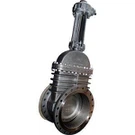
As a supplier of flat or slab gate valves, I've witnessed firsthand the profound impact that stem materials can have on the operation of these essential components. In this blog, I'll delve into the intricate relationship between stem materials and the performance of flat or slab gate valves, exploring how different materials can influence durability, efficiency, and overall functionality.
The Role of the Stem in Flat or Slab Gate Valves
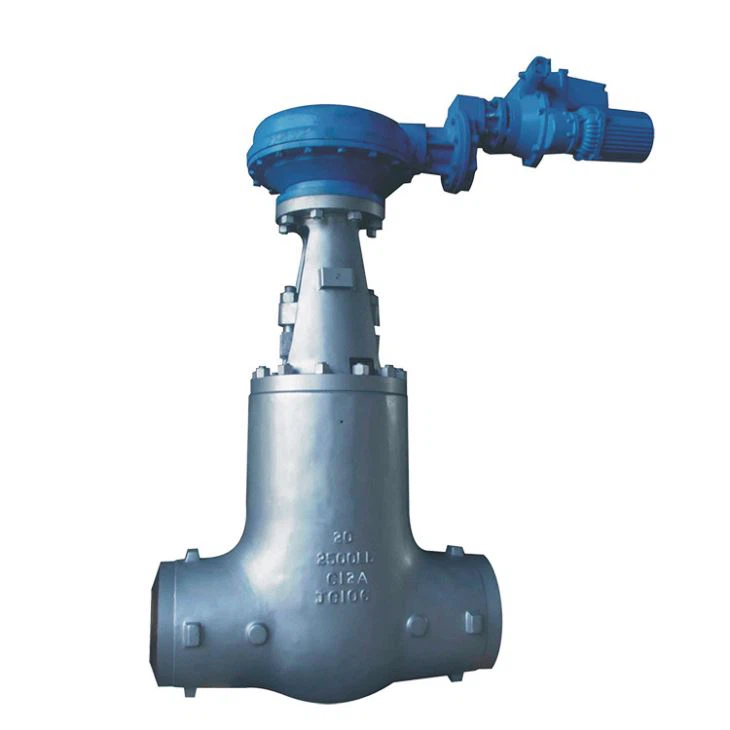
Before we dive into the impact of stem materials, let's first understand the crucial role that the stem plays in flat or slab gate valves. The stem is the key component that connects the actuator (such as a handwheel or an electric motor) to the gate, allowing for the opening and closing of the valve. It transfers the rotational or linear motion from the actuator to the gate, enabling precise control of the fluid flow through the valve.
The stem must be able to withstand significant forces and stresses during operation, including the torque applied by the actuator, the pressure of the fluid, and the friction between the stem and the packing. Therefore, the choice of stem material is critical to ensuring the reliable and efficient operation of the valve.

Factors Affecting Stem Material Selection
When selecting a stem material for flat or slab gate valves, several factors need to be considered, including:
- Corrosion Resistance: The stem is often exposed to corrosive fluids and environments, so it must be made of a material that can resist corrosion. Corrosion can weaken the stem, leading to premature failure and potentially causing leaks or other safety hazards.
- Strength and Toughness: The stem must be strong enough to withstand the forces and stresses applied during operation without deforming or breaking. It also needs to have sufficient toughness to resist cracking and other forms of damage.
- Wear Resistance: The stem is in constant contact with the packing and other components, so it must be able to resist wear and abrasion. Wear can cause the stem to become loose or damaged, affecting the performance of the valve.
- Temperature Resistance: The stem may be exposed to high or low temperatures, depending on the application. It must be made of a material that can maintain its strength and integrity at the operating temperature.
- Cost: The cost of the stem material is also an important consideration, especially for large-scale applications. The material should provide a good balance between performance and cost.
Common Stem Materials and Their Properties
There are several common stem materials used in flat or slab gate valves, each with its own unique properties and characteristics. Let's take a closer look at some of these materials:
- Carbon Steel: Carbon steel is a widely used stem material due to its high strength, low cost, and good machinability. It is suitable for applications where corrosion is not a major concern, such as in water and oil pipelines. However, carbon steel is prone to corrosion in acidic or alkaline environments, so it may require additional protection, such as coating or plating.
- Stainless Steel: Stainless steel is a popular choice for stem materials because of its excellent corrosion resistance. It contains chromium, which forms a protective oxide layer on the surface of the material, preventing corrosion. Stainless steel is suitable for a wide range of applications, including those involving corrosive fluids and high temperatures. However, it is more expensive than carbon steel and may have lower strength and toughness.
- Alloy Steel: Alloy steel is a type of steel that contains additional alloying elements, such as nickel, chromium, and molybdenum, to improve its strength, toughness, and corrosion resistance. Alloy steel is often used in high-pressure and high-temperature applications, such as in power plants and refineries. It is more expensive than carbon steel but offers better performance and durability.
- Brass: Brass is a copper-zinc alloy that is known for its good corrosion resistance, low friction, and excellent machinability. It is commonly used in small-scale applications, such as in plumbing and HVAC systems. Brass is relatively inexpensive but may not be suitable for high-pressure or high-temperature applications.
- Monel: Monel is a nickel-copper alloy that offers excellent corrosion resistance in a wide range of environments, including seawater, acids, and alkalis. It is also strong, tough, and resistant to wear and abrasion. Monel is often used in marine and chemical applications, where corrosion is a major concern. However, it is more expensive than other stem materials.
How Stem Material Affects Valve Operation
The choice of stem material can have a significant impact on the operation of flat or slab gate valves. Here are some ways in which stem material can affect valve performance:
- Corrosion Resistance: A stem made of a corrosion-resistant material, such as stainless steel or Monel, can prevent corrosion and extend the lifespan of the valve. Corrosion can cause the stem to become weak and brittle, leading to premature failure and potentially causing leaks or other safety hazards. By using a corrosion-resistant stem material, the valve can operate reliably in corrosive environments for a longer period of time.
- Strength and Toughness: A strong and tough stem material, such as alloy steel, can withstand the forces and stresses applied during operation without deforming or breaking. This ensures that the valve can open and close smoothly and accurately, even under high-pressure conditions. A weak or brittle stem material may break or deform, causing the valve to malfunction or fail.
- Wear Resistance: A stem made of a wear-resistant material, such as brass or stainless steel, can resist wear and abrasion, reducing the need for frequent maintenance and replacement. Wear can cause the stem to become loose or damaged, affecting the performance of the valve. By using a wear-resistant stem material, the valve can operate more efficiently and reliably over its lifespan.
- Temperature Resistance: A stem made of a material that can withstand high or low temperatures, such as alloy steel or stainless steel, can maintain its strength and integrity at the operating temperature. This ensures that the valve can operate safely and effectively in extreme temperature conditions. A stem material that is not suitable for the operating temperature may become weak or brittle, leading to premature failure.
- Friction and Sealing Performance: The choice of stem material can also affect the friction and sealing performance of the valve. A stem made of a material with low friction, such as brass, can reduce the torque required to operate the valve, making it easier to open and close. Additionally, a stem material that provides a good seal with the packing can prevent leaks and ensure the proper functioning of the valve.
Conclusion
In conclusion, the stem material plays a crucial role in the operation of flat or slab gate valves. The choice of stem material can affect the valve's durability, efficiency, and overall performance. When selecting a stem material, it is important to consider factors such as corrosion resistance, strength and toughness, wear resistance, temperature resistance, and cost. By choosing the right stem material for the application, you can ensure that the valve operates reliably and efficiently for a long period of time.
If you are in the market for flat or slab gate valves, we invite you to explore our wide range of products, including Flat Bottom Brake Seat, API Gate Valve, and Pressure Seal Gate Valve. Our valves are made of high-quality materials and are designed to meet the highest industry standards. We also offer customized solutions to meet your specific requirements. Contact us today to learn more about our products and services and to discuss your procurement needs.
References
- ASME B16.34 - Valves - Flanged, Threaded, and Welding End
- API 600 - Steel Gate Valves - Flanged and Butt Welding Ends
- ASTM A105 - Standard Specification for Carbon Steel Forgings for Piping Applications
- ASTM A350 - Standard Specification for Carbon and Low Alloy Steel Forgings, Requiring Notch Toughness Testing for Piping Components
- ASTM A312 - Standard Specification for Seamless, Welded, and Heavily Cold Worked Austenitic Stainless Steel Pipes