

Hey there! As a plug valve supplier, I often get asked about the difference between full - port and reduced - port plug valves. So, let's dive right in and break it down.
What are Plug Valves?
First off, for those who aren't super familiar, plug valves are a type of quarter - turn valve. They use a cone - shaped or cylindrical plug with a passageway through it to control the flow of fluid in a pipeline. When the plug is turned a quarter - turn (90 degrees), the passageway either aligns with the pipeline for flow or is perpendicular to it, blocking the flow.
Full - Port Plug Valves
A full - port plug valve, as the name suggests, has a passageway through the plug that is the same size as the pipeline's inner diameter. This creates a straight - through flow path. Think of it like a big, open highway for the fluid to travel on.
One of the major advantages of full - port plug valves is their low pressure drop. Since the flow path is unrestricted, the fluid can move through the valve with very little resistance. This is super important in applications where maintaining a consistent flow rate and pressure is crucial. For example, in large - scale water distribution systems, a full - port plug valve ensures that water can flow freely from the source to the consumers without significant loss of pressure.
Another benefit is that full - port plug valves are less likely to cause clogging. The large opening allows solids or debris in the fluid to pass through without getting stuck. This makes them a great choice for handling fluids with suspended particles, like slurries in mining or wastewater treatment plants.
However, full - port plug valves do have some drawbacks. They are generally larger and heavier than reduced - port plug valves. This can make them more expensive to manufacture, install, and maintain. The larger size also means they take up more space in a pipeline system, which might be a problem in tight installations.
Reduced - Port Plug Valves
Reduced - port plug valves, on the other hand, have a passageway through the plug that is smaller than the pipeline's inner diameter. It's like a narrow bridge on the highway of the pipeline.
The main advantage of reduced - port plug valves is their compact size. They are smaller and lighter than full - port plug valves, which makes them more cost - effective to produce. Installation is also easier and less space - consuming, making them ideal for applications where space is limited, such as in offshore oil rigs or small - scale industrial facilities.
Reduced - port plug valves can also handle high - pressure applications well. The smaller passageway provides more structural integrity, allowing the valve to withstand higher pressures without deforming. This makes them suitable for use in high - pressure gas pipelines or hydraulic systems.
But there are some downsides. The reduced flow area causes a higher pressure drop compared to full - port plug valves. This means more energy is required to push the fluid through the valve, which can increase operating costs. Also, the smaller opening is more prone to clogging, especially if the fluid contains large particles or debris.

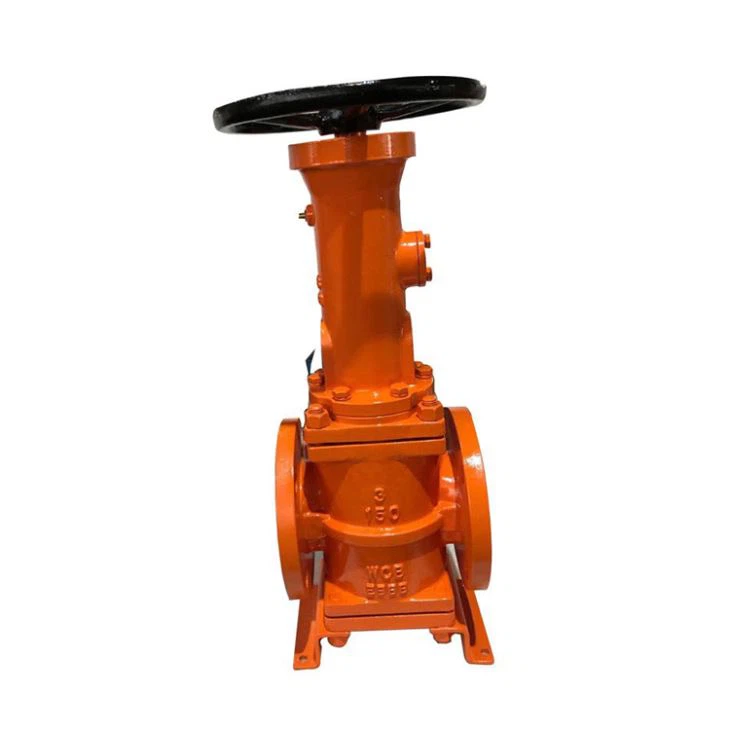
Applications Comparison
Let's take a look at some specific applications to see how the choice between full - port and reduced - port plug valves matters.
In the oil and gas industry, full - port plug valves are often used in pipelines where large volumes of crude oil or natural gas need to be transported over long distances. The low pressure drop ensures efficient flow and reduces the need for additional pumping stations. On the other hand, reduced - port plug valves are commonly used in wellheads and manifolds where space is limited and high - pressure control is required.
In the chemical processing industry, full - port plug valves are used for transferring corrosive chemicals. The unobstructed flow path reduces the risk of chemical buildup and corrosion inside the valve. Reduced - port plug valves, such as PFA Lined Plug Valve, are used in applications where precise flow control is needed, like in dosing systems.
Special Types of Plug Valves
There are also some special types of plug valves that are worth mentioning. Lubricated plug valve is one of them. These valves use a lubricant to reduce friction between the plug and the valve body, making them easier to operate and increasing their lifespan. They can be either full - port or reduced - port, depending on the application requirements.
Double Block and Bleed Plug Valve is another type. It provides double isolation and a bleed function, which is important in applications where safety and preventing cross - contamination are critical, such as in nuclear power plants or high - purity chemical processes.
Making the Right Choice
So, how do you decide whether to go for a full - port or reduced - port plug valve? It all boils down to your specific application requirements. Consider factors like flow rate, pressure drop, space availability, fluid characteristics, and cost.
If you need a valve that can handle large volumes of fluid with minimal pressure drop and is resistant to clogging, a full - port plug valve is the way to go. But if space is limited, you need high - pressure resistance, and precise flow control, a reduced - port plug valve might be a better choice.
As a plug valve supplier, I'm here to help you make the right decision. Whether you're working on a small - scale project or a large - scale industrial installation, I can provide you with the best plug valve solution for your needs. If you're interested in learning more or are ready to start a procurement process, don't hesitate to reach out. I'm happy to have a chat and discuss how we can work together to get you the perfect plug valves for your application.
References
- Valve Handbook, 4th Edition by J. Paul Tullis
- Pipeline Rules of Thumb Handbook by John P. Moore