

Hey there! As a supplier of Flat Or Slab Gate Valves, I often get asked about the automation level of these valves. So, I thought I'd sit down and write a little something about it.
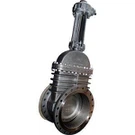
First off, let's talk a bit about what flat or slab gate valves are. A flat gate valve is a type of valve that uses a flat gate to control the flow of fluid through a pipeline. These valves are commonly used in various industries, like oil and gas, water treatment, and power generation. They're known for their simple design, reliable performance, and ability to handle high-pressure and high-temperature applications. You can find more info about them on this flat gate valve page.
Now, onto the main topic - the automation level of flat or slab gate valves. Automation in valve technology has come a long way in recent years. It's all about making the operation of valves more efficient, accurate, and less labor - intensive.
There are different levels of automation for flat or slab gate valves, and I'll break them down for you.
Manual Operation
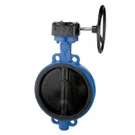
At the most basic level, flat gate valves can be operated manually. This means that an operator physically turns a handwheel or uses a lever to open or close the valve. Manual operation is simple and cost - effective. It's great for small - scale applications where the valve doesn't need to be adjusted frequently. For example, in a small water treatment plant, you might have a few manual flat gate valves to control the flow of water in different sections of the plant. However, manual operation has its limitations. It's time - consuming, especially for large valves, and it requires an operator to be present at the valve location.
Actuated Operation
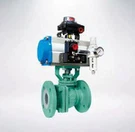
The next step up is actuated operation. Actuators are devices that can be attached to the valve to automate its opening and closing. There are different types of actuators available for flat gate valves.
Electric Actuators
Electric actuators are quite popular. They use an electric motor to turn the valve stem and open or close the valve. These actuators are easy to control and can be integrated into a control system. For instance, in a modern power plant, electric - actuated flat gate valves can be controlled from a central control room. This allows operators to monitor and adjust the valve positions without having to be at the valve site. Electric actuators are also relatively clean and quiet, making them suitable for indoor applications. You can learn more about related valve products like Cast Steel Gate Valves which might also use similar actuation methods.
Pneumatic Actuators
Pneumatic actuators use compressed air to operate the valve. They're fast - acting and can generate a lot of force, which is useful for large - sized flat gate valves. In industries where compressed air is readily available, like the automotive or food processing industries, pneumatic - actuated flat gate valves are a common choice. They're also relatively simple and reliable, with fewer moving parts compared to some other types of actuators.


Hydraulic Actuators
Hydraulic actuators use hydraulic fluid to generate the force needed to operate the valve. These actuators are extremely powerful and can handle very high - pressure applications. In the oil and gas industry, where valves need to withstand extreme pressures, hydraulic - actuated flat gate valves are often used. However, hydraulic systems are more complex and require more maintenance compared to electric or pneumatic actuators.
Automated Control Systems
Beyond just actuating the valve, flat gate valves can be integrated into automated control systems. These systems use sensors, controllers, and software to monitor and control the valve operation based on various parameters.
For example, in a pipeline that transports oil, sensors can measure the flow rate, pressure, and temperature of the oil. The control system can then adjust the position of the flat gate valve to maintain the desired flow rate and pressure. This kind of automated control ensures the safety and efficiency of the pipeline operation. Another example is in a water distribution network. Automated control systems can use real - time data from flow meters and pressure sensors to optimize the operation of flat gate valves, ensuring that water is distributed evenly and efficiently.
Benefits of High - Level Automation
Automating flat gate valves offers several benefits. Firstly, it improves safety. In hazardous environments, like chemical plants or offshore oil rigs, automated valves can be operated remotely, reducing the risk to human operators. Secondly, it increases efficiency. Automated valves can respond quickly to changes in process conditions, which helps to maintain a stable and optimal operation. Thirdly, it reduces labor costs. With automated valves, fewer operators are needed to monitor and operate the valves, saving both time and money.
Challenges of Automation
However, there are also some challenges associated with automating flat gate valves. One of the main challenges is the cost. Actuators and control systems can be expensive, especially for large - scale applications. Additionally, automated systems require regular maintenance and calibration to ensure their proper functioning. If there's a malfunction in the control system, it can lead to valve failure, which can have serious consequences in some industries.
The Future of Automation for Flat Gate Valves
The future looks bright for the automation of flat gate valves. With the development of Internet of Things (IoT) technology, valves can be connected to a network and monitored in real - time. This allows for predictive maintenance, where potential problems can be detected before they cause a failure. For example, sensors on the valve can detect changes in temperature, vibration, or pressure, and send an alert to the maintenance team if there's a problem.
Another trend is the use of smart actuators. These actuators can communicate with the control system and adjust their operation based on the actual conditions. For instance, a smart electric actuator can adjust the speed of valve opening or closing depending on the flow rate and pressure in the pipeline.
As a supplier of flat gate valves, I'm always keeping an eye on these trends. We offer a wide range of flat gate valves, from manual to highly automated ones. Whether you're looking for a simple manual valve for a small project or a fully - automated valve for a large - scale industrial application, we've got you covered.
If you're in the market for flat gate valves and want to discuss the best automation level for your specific needs, don't hesitate to reach out. We can help you choose the right valve and actuator combination, and provide you with all the technical support you need.
In conclusion, the automation level of flat or slab gate valves can vary from simple manual operation to highly - sophisticated automated control systems. Each level has its own advantages and disadvantages, and the choice depends on the specific requirements of your application. Whether you're in the oil and gas industry, water treatment, or any other industry that uses flat gate valves, understanding the automation options available can help you make an informed decision. And if you need a Flat Bottom Brake Seat or other valve - related components, we can also assist you with that.
So, if you're interested in purchasing flat gate valves or have any questions about their automation levels, feel free to get in touch. We're here to help you find the best solution for your business.
References
- Valve Handbook: Principles and Applications, by John M. Campbell
- Industrial Valves: Selection and Sizing, by Valves Magazine