

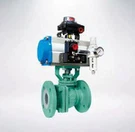
Hey there! As a ball valve supplier, I often get asked about different types of ball valves. One of the most commonly used ones is the floating ball valve. So, let's dive into what a floating ball valve is all about.
Basics of a Floating Ball Valve
A floating ball valve is a type of quarter - turn valve. That means you only need to turn the handle or actuator 90 degrees to open or close the valve. It's pretty straightforward, right?
The key feature of a floating ball valve is its floating ball design. The ball inside the valve isn't fixed rigidly in place. Instead, it "floats" between two valve seats. When you turn the valve to the open position, the ball rotates, and the hole in the ball aligns with the pipeline, allowing fluid or gas to flow through. When you close the valve, the ball rotates back, and the solid part of the ball blocks the flow path.
How It Works
Let's break down the working mechanism a bit more. When the valve is open, the fluid or gas flows through the hole in the ball. The pressure of the fluid helps to keep the ball in place, ensuring a smooth flow. As you start to close the valve, the ball begins to rotate. Once it's fully closed, the pressure from the fluid or gas in the pipeline pushes the ball against the downstream seat. This creates a tight seal, preventing any leakage.
The seal between the ball and the seats is crucial. Most floating ball valves use soft seats. You can check out our Soft Seated Ball Valve for more details on this type. Soft seats are made from materials like PTFE (polytetrafluoroethylene) or other elastomers. These materials can conform to the surface of the ball, providing an excellent seal even at low pressures.
Advantages of Floating Ball Valves
- Simple Design: One of the biggest advantages of floating ball valves is their simple design. There are fewer parts compared to some other types of valves, which means less chance of something going wrong. This simplicity also makes them easier to install and maintain.
- Good Sealing Performance: Thanks to the floating ball design and the use of soft seats, floating ball valves offer excellent sealing performance. They can effectively prevent leakage, which is crucial in many applications, especially when dealing with hazardous or expensive fluids.
- Cost - Effective: Because of their simple design and widespread use, floating ball valves are generally more cost - effective than some other types of valves. They are a great option for applications where you need a reliable valve without breaking the bank.
Applications of Floating Ball Valves
Floating ball valves are used in a wide range of industries. Here are some common applications:
- Oil and Gas Industry: In the oil and gas industry, floating ball valves are used in pipelines, refineries, and offshore platforms. They can handle high - pressure and high - temperature conditions, making them suitable for transporting crude oil, natural gas, and other petroleum products.
- Chemical Industry: Chemical plants use floating ball valves to control the flow of various chemicals. The valves need to be resistant to corrosion, and many floating ball valves can be lined with materials like PFA (perfluoroalkoxy alkane) to provide this resistance. Check out our PFA Lined Ball Valve for more information on this option.
- Water Treatment Plants: Water treatment plants use floating ball valves to control the flow of water, chemicals, and sludge. The valves need to be reliable and easy to operate, which makes floating ball valves a popular choice.
Considerations When Choosing a Floating Ball Valve
When you're looking to buy a floating ball valve, there are a few things you need to consider:
- Size: The size of the valve needs to match the size of your pipeline. If the valve is too small, it can restrict the flow of fluid or gas. If it's too large, it can be more expensive and may not provide a proper seal.
- Pressure Rating: You need to make sure the valve can handle the pressure in your pipeline. Different applications have different pressure requirements, so choose a valve with an appropriate pressure rating.
- Temperature Rating: Similar to the pressure rating, the valve needs to be able to withstand the temperature of the fluid or gas in your pipeline. Some applications involve high - temperature fluids, so you'll need a valve that can handle those conditions.
- Material: The material of the valve body, ball, and seats is important. It needs to be compatible with the fluid or gas you're handling. For example, if you're dealing with corrosive chemicals, you'll need a valve made from corrosion - resistant materials.
Our Product Range
As a ball valve supplier, we offer a wide range of floating ball valves. We have different sizes, pressure ratings, and materials to meet your specific needs. Whether you need a valve for a small - scale project or a large industrial application, we've got you covered.
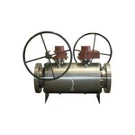
In addition to our standard floating ball valves, we also offer Top Entry Ball Valve. These valves are designed for easy maintenance, as the internals can be accessed from the top of the valve body.


Conclusion
So, there you have it! A floating ball valve is a simple, reliable, and cost - effective option for controlling the flow of fluids and gases in many different applications. If you're in the market for a ball valve, we'd love to help you find the right one for your needs.
If you have any questions or want to discuss your requirements further, don't hesitate to reach out. We're here to assist you in making the best choice for your project.
References
- "Valve Handbook" by E. W. Miller
- Various industry standards and guidelines related to ball valves.