

As a supplier of API Gate Valves, I've encountered numerous inquiries regarding valve leakage. It's a common headache for many users, and understanding what causes it is crucial to both prevent and address the issue. In this blog, I'll share some insights into the factors that can lead to the leakage of an API Gate Valve.
Wear and Tear
One of the most frequent culprits behind valve leakage is simple wear and tear. API Gate Valves are used in a variety of industrial applications, and over time, the constant movement of the gate within the valve body can cause friction. This friction gradually erodes the sealing surfaces of the gate and the seat.
The gate, which is the moving part that controls the flow of fluid, slides up and down to open and close the valve. Each time it moves, it rubs against the seat. If the fluid flowing through the valve contains abrasive particles, such as sand or small metal fragments, the wear process is accelerated. For example, in oil and gas pipelines, where the transported fluid often has impurities, the gate and seat can wear out much faster.
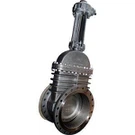
When the sealing surfaces are worn, they can no longer form a tight seal. As a result, fluid can leak past the gate, even when the valve is supposed to be fully closed. Regular maintenance and inspection can help detect early signs of wear. If the wear is minor, the sealing surfaces can sometimes be refurbished. However, in more severe cases, the gate or seat may need to be replaced. You can check out our Cast Steel Gate Valves which are designed to have high durability and resistance to wear.
Corrosion
Corrosion is another major factor that can cause API Gate Valve leakage. Valves are often exposed to harsh environments, including corrosive chemicals, high humidity, and saltwater. Different types of corrosion can affect the valve components.
For instance, general corrosion occurs when the entire surface of the valve material is attacked by a corrosive agent. This can weaken the structure of the valve and cause pitting on the sealing surfaces. Pitting corrosion, on the other hand, creates small holes in the metal, which can also lead to leakage.
In addition, stress corrosion cracking can happen when the valve is under stress and exposed to a corrosive environment simultaneously. This type of corrosion can cause cracks to form in the valve body or the gate, allowing fluid to leak through.
To combat corrosion, proper material selection is essential. For applications in corrosive environments, valves made from corrosion-resistant materials such as stainless steel or coated with anti-corrosion layers should be used. We offer flat gate valve options that are designed to resist corrosion and ensure long - term performance.
Improper Installation
Improper installation is a common yet avoidable cause of valve leakage. If the valve is not installed correctly, it can lead to misalignment between the gate and the seat. This misalignment prevents the gate from fully contacting the seat, resulting in a poor seal.
During installation, it's important to ensure that the valve is properly aligned with the pipeline. Any angular or linear misalignment can cause uneven pressure distribution on the sealing surfaces. Also, the bolts used to secure the valve to the pipeline must be tightened evenly. If the bolts are tightened unevenly, it can distort the valve body and prevent the gate from closing properly.
Another aspect of installation is the handling of gaskets. Gaskets are used to create a seal between the valve and the pipeline flanges. If the gasket is damaged during installation or the wrong type of gasket is used, it can also lead to leakage.
Proper training for installation personnel is crucial to ensure that the valves are installed correctly. We provide installation guidelines and support to our customers to minimize the risk of installation - related leakage.
Thermal Expansion and Contraction
Thermal expansion and contraction can also cause API Gate Valve leakage. In industrial processes, the temperature of the fluid flowing through the valve can vary significantly. When the temperature changes, the valve components expand or contract.
If the valve is not designed to accommodate these changes, it can lead to problems. For example, if the valve body expands more than the gate during a temperature increase, the gate may not be able to close properly. Conversely, during a temperature decrease, the contraction of the components can create gaps between the sealing surfaces, allowing fluid to leak.


Valve designers need to consider the thermal properties of the materials used in the valve and ensure that the valve has sufficient flexibility to handle thermal expansion and contraction. We have engineered our valves, including those with Flat Bottom Brake Seat, to better withstand thermal changes and reduce the risk of leakage due to temperature variations.
Foreign Objects
Foreign objects can find their way into the valve and cause leakage. These objects can be debris from the pipeline, such as welding slag, rust flakes, or small tools that were accidentally left in the pipeline during installation or maintenance.
When a foreign object gets trapped between the gate and the seat, it prevents the gate from forming a proper seal. Even a small piece of debris can create a significant leak path. Regular pipeline cleaning and proper maintenance procedures can help prevent foreign objects from entering the valve.
Over - Torquing or Under - Torquing
The act of opening and closing the valve involves applying torque to the valve stem. If too much torque is applied (over - torquing), it can damage the valve components. For example, over - torquing can cause the gate to deform or the seat to crack, leading to leakage.
On the other hand, if not enough torque is applied (under - torquing), the gate may not be fully seated, and fluid can leak past it. It's important to follow the manufacturer's recommended torque values when operating the valve.
In conclusion, there are several factors that can cause the leakage of an API Gate Valve, including wear and tear, corrosion, improper installation, thermal expansion and contraction, foreign objects, and over - or under - torquing. As a supplier, we are committed to providing high - quality valves and support to help our customers prevent and address these issues.
If you're facing problems with valve leakage or are in the market for reliable API Gate Valves, don't hesitate to reach out to us. We can offer customized solutions based on your specific needs and ensure that you get the best - performing valves for your applications. Let's start a conversation about your valve requirements and find the perfect fit for your project.
References
- Valve Handbook, Various Editions
- Industrial Valve Standards and Guidelines