

How does the weight of a flat or slab gate valve affect its installation?
As a seasoned supplier of flat or slab gate valves, I've witnessed firsthand how the weight of these crucial components can significantly influence their installation process. In this blog post, I'll delve into the various ways in which the weight of a flat or slab gate valve impacts installation, offering insights and practical tips based on my years of experience in the industry.
1. Handling and Transportation
The weight of a flat or slab gate valve is the first consideration when it comes to installation, as it directly affects handling and transportation. Heavier valves require more robust lifting equipment and careful planning to ensure safe and efficient movement from the storage area to the installation site.
For instance, small to medium-sized flat gate valves flat gate valve may be easily handled by a couple of workers using manual lifting tools such as chain hoists or forklifts. However, larger and heavier valves, especially those used in industrial applications, may necessitate the use of cranes or other heavy-duty lifting machinery.
Transporting heavy valves also poses challenges. Specialized trailers or trucks with appropriate weight capacities must be used to prevent damage during transit. Additionally, the weight distribution of the valve on the vehicle needs to be carefully calculated to ensure stability and safe transportation.
2. Mounting and Support Requirements
The weight of a flat or slab gate valve has a direct impact on the mounting and support requirements during installation. Heavier valves exert more force on the mounting structure, which must be designed to withstand this additional load.
When installing a flat gate valve on a pipeline, the pipe supports and brackets need to be adequately sized and reinforced to handle the weight of the valve. In some cases, additional support structures may be required, such as steel frames or concrete foundations, to ensure the valve remains stable and properly aligned.
For example, in high-pressure applications where the valve weight is substantial, the pipeline may need to be supported at closer intervals to prevent sagging or excessive stress on the valve connections. Failure to provide proper support can lead to misalignment, leakage, and even structural damage to the valve and the pipeline.
3. Alignment and Sealing
Proper alignment is crucial for the effective operation of a flat or slab gate valve. The weight of the valve can affect its alignment during installation, which in turn can impact sealing performance.
Heavier valves are more prone to shifting or settling during installation, which can cause misalignment between the valve and the pipeline. This misalignment can lead to uneven sealing forces, resulting in leaks and reduced valve efficiency.


To ensure proper alignment, it is essential to use alignment tools and techniques during installation. Laser alignment systems can be used to accurately position the valve and ensure that it is perfectly aligned with the pipeline. Additionally, shims or spacers may be used to adjust the position of the valve and compensate for any minor misalignments.
4. Installation Time and Labor Costs
The weight of a flat or slab gate valve can also affect installation time and labor costs. Heavier valves generally require more time and effort to install, which can increase labor costs.
As mentioned earlier, handling and transporting heavy valves require specialized equipment and additional manpower. The installation process itself may also be more complex, as it involves more precise alignment and support requirements.
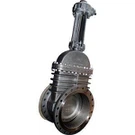
For example, installing a large, heavy cast steel gate valve Cast Steel Gate Valves may take several hours or even days, depending on the complexity of the installation. This extended installation time can result in higher labor costs, especially if the project has a tight schedule.
5. Safety Considerations
Safety is of utmost importance during the installation of flat or slab gate valves. The weight of the valve presents significant safety risks if not handled properly.
Lifting heavy valves requires trained personnel and the use of appropriate safety equipment, such as safety harnesses, hard hats, and safety glasses. The lifting equipment itself must be regularly inspected and maintained to ensure its safe operation.
In addition to lifting hazards, the weight of the valve can also pose a risk of crushing or pinching injuries if it is not properly supported or secured during installation. Workers must be trained to follow proper safety procedures and use caution when working around heavy valves.
Tips for Installing Heavy Flat or Slab Gate Valves
Based on my experience, here are some tips for installing heavy flat or slab gate valves:
- Plan Ahead: Before starting the installation, carefully plan the handling, transportation, and mounting procedures. Consider the weight of the valve and the available resources, such as lifting equipment and manpower.
- Use Appropriate Equipment: Ensure that you have the right lifting equipment and tools for the job. This may include cranes, forklifts, chain hoists, and alignment tools.
- Provide Adequate Support: Make sure the mounting structure and pipe supports are designed to handle the weight of the valve. Use additional support structures if necessary.
- Ensure Proper Alignment: Use alignment tools and techniques to ensure that the valve is properly aligned with the pipeline. This will help prevent leaks and ensure optimal valve performance.
- Follow Safety Procedures: Train your workers on proper safety procedures and ensure that they use appropriate safety equipment. Regularly inspect and maintain the lifting equipment to ensure its safe operation.
Conclusion
The weight of a flat or slab gate valve has a significant impact on its installation process. From handling and transportation to mounting, alignment, and safety, every aspect of installation is affected by the valve's weight. As a supplier, it is our responsibility to provide our customers with accurate information about the weight and installation requirements of our valves. By understanding these factors and following best practices, we can ensure a safe and successful installation process for our customers.
If you are in the market for high-quality flat or slab gate valves, or if you have any questions about valve installation, please don't hesitate to contact us. We have a team of experts who can provide you with the guidance and support you need to make the right choice for your application. Let's work together to ensure the efficient and reliable operation of your pipelines.
References
- Valve Handbook, 4th Edition, by J. T. R. Hughes
- ASME B16.34 - Valves - Flanged, Threaded, and Welded Ends
- API 600 - Steel Gate Valves - Flanged and Butt - Welding Ends for Petroleum, Natural Gas, and Related Industries