

What are the static characteristics of a Pressure Seal Gate Valve?
As a seasoned supplier of Pressure Seal Gate Valves, I've witnessed firsthand the critical role these valves play in various industrial applications. Understanding the static characteristics of a Pressure Seal Gate Valve is essential for both engineers and procurement professionals to ensure optimal performance and safety in their systems. In this blog post, I'll delve into the key static characteristics of these valves and explain why they matter.
Sealing Performance
One of the most important static characteristics of a Pressure Seal Gate Valve is its sealing performance. A pressure seal gate valve is designed to provide a tight seal under high-pressure conditions, preventing leakage of fluids or gases. The pressure seal design uses the system pressure to enhance the sealing force, ensuring a reliable seal even at elevated pressures.
The sealing surfaces of a pressure seal gate valve are typically made of high-quality materials such as stainless steel or alloy steel, which are resistant to corrosion and wear. These materials ensure a long service life and maintain the integrity of the seal over time. Additionally, the valve seats are precision machined to provide a smooth and even surface for the gate to seal against, further enhancing the sealing performance.
The sealing performance of a pressure seal gate valve is also affected by the type of packing used. Packing is a material that is used to seal the stem of the valve, preventing leakage along the stem. Common types of packing include graphite, PTFE, and asbestos-free materials. The choice of packing depends on the application requirements, such as the pressure, temperature, and fluid being handled.
Pressure Rating
Another important static characteristic of a Pressure Seal Gate Valve is its pressure rating. The pressure rating of a valve indicates the maximum pressure that the valve can safely withstand without failure. Pressure seal gate valves are designed to handle high-pressure applications, typically ranging from 1500 to 4500 psi or higher.
The pressure rating of a pressure seal gate valve is determined by several factors, including the design of the valve, the materials used, and the manufacturing process. The valve body and bonnet are typically made of forged steel, which provides high strength and durability. The gate and seats are also designed to withstand high pressures, and the sealing surfaces are precision machined to ensure a tight seal.
It's important to select a pressure seal gate valve with a pressure rating that is appropriate for the application. Using a valve with a lower pressure rating than required can result in valve failure and potential safety hazards. On the other hand, using a valve with a higher pressure rating than necessary can be costly and may not provide any additional benefits.


Temperature Range
The temperature range is another critical static characteristic of a Pressure Seal Gate Valve. Pressure seal gate valves are designed to operate within a specific temperature range, which is determined by the materials used in the valve construction. The temperature range of a valve can vary depending on the application, but it typically ranges from -20°F to 1000°F or higher.
The materials used in the valve construction must be able to withstand the temperature extremes of the application. For example, in high-temperature applications, the valve body and bonnet may be made of materials such as stainless steel or alloy steel, which have good heat resistance. The gate and seats may also be made of materials that can withstand high temperatures, such as ceramic or carbide.
In low-temperature applications, the valve materials must be able to resist embrittlement and maintain their mechanical properties. Special materials and coatings may be used to protect the valve from corrosion and damage in harsh environments.
Flow Coefficient (Cv)
The flow coefficient, or Cv, is a measure of the flow capacity of a valve. It indicates the amount of fluid that can flow through the valve at a given pressure drop. The Cv value of a pressure seal gate valve is an important static characteristic, as it determines the valve's ability to control the flow of fluids in a system.
The Cv value of a pressure seal gate valve is affected by several factors, including the size of the valve, the design of the valve internals, and the type of fluid being handled. A larger valve size generally has a higher Cv value, as it allows for a greater flow of fluid. The design of the valve internals, such as the shape of the gate and seats, can also affect the Cv value.
It's important to select a pressure seal gate valve with a Cv value that is appropriate for the application. Using a valve with a too low Cv value can result in excessive pressure drop and reduced flow capacity, while using a valve with a too high Cv value can lead to unstable flow and potential system damage.
End Connections
The end connections of a Pressure Seal Gate Valve are another important static characteristic. The end connections determine how the valve is connected to the pipeline or other components in the system. Common types of end connections include flanged, threaded, and welded connections.
Flanged connections are the most common type of end connection for pressure seal gate valves. They provide a secure and leak-free connection between the valve and the pipeline. Flanged connections are available in various sizes and pressure ratings, and they can be easily installed and removed for maintenance or replacement.
Threaded connections are typically used for smaller valves and low-pressure applications. They are easy to install and can be used in applications where welding is not practical. However, threaded connections may not be suitable for high-pressure or high-temperature applications, as they may leak under these conditions.
Welded connections are used for applications where a permanent and leak-free connection is required. They provide a strong and reliable connection between the valve and the pipeline, but they require specialized welding equipment and skills. Welded connections are typically used in high-pressure and high-temperature applications, such as power plants and refineries.
Comparison with Other Types of Gate Valves
When considering a Pressure Seal Gate Valve, it's useful to compare it with other types of gate valves, such as Ceramic Lined Gate Valve and Bellow Sealed Gate Valve.
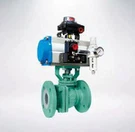
Ceramic Lined Gate Valves are known for their excellent wear and corrosion resistance. The ceramic lining provides a hard and smooth surface that can withstand abrasive and corrosive fluids. However, they may have limitations in high-pressure applications compared to pressure seal gate valves.
Bellow Sealed Gate Valves, on the other hand, are designed to provide a hermetic seal, preventing leakage of hazardous or toxic fluids. The bellows act as a secondary seal, adding an extra layer of protection. You can find more information about them at Bellow Sealed Gate Valve. While they offer excellent sealing in certain applications, pressure seal gate valves are often preferred for high-pressure and high-temperature environments due to their unique pressure - enhancing sealing mechanism.
Conclusion
In conclusion, understanding the static characteristics of a Pressure Seal Gate Valve is crucial for selecting the right valve for your application. The sealing performance, pressure rating, temperature range, flow coefficient, and end connections are all important factors to consider. As a supplier of Pressure Seal Gate Valves, we have the expertise and experience to help you choose the valve that best meets your needs.
If you're in the market for a Pressure Seal Gate Valve or have any questions about our products, we encourage you to contact us. Our team of experts is ready to assist you with your procurement needs and ensure that you get the best valve for your application. Whether it's for a new project or a replacement part, we're here to help you make the right choice.
References
- Valve Handbook, CRC Press
- ASME Boiler and Pressure Vessel Code
- API Standards for Valves in the Oil and Gas Industry