

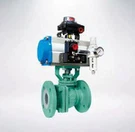
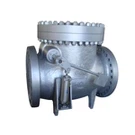
As a plug valve supplier, I understand the importance of having a clear understanding of the standards for plug valves. Plug valves are a type of quarter - turn valve used for on - off and throttling applications in various industries such as oil and gas, chemical, and water treatment. These valves need to meet specific standards to ensure proper functionality, safety, and reliability.
Design and Construction Standards
Dimensions and Tolerances
One of the fundamental standards for plug valves is related to their physical dimensions. The American National Standards Institute (ANSI) and the International Organization for Standardization (ISO) have established standards for the size and shape of plug valves. For example, ANSI B16.10 specifies the face - to - face and end - to - end dimensions for different classes of valves. These standards ensure that plug valves can be easily integrated into existing piping systems.


In terms of tolerance, tight manufacturing tolerances are crucial for the proper sealing of plug valves. The plug and the body of the valve must fit precisely to prevent leakage. A deviation from the specified tolerances can lead to reduced valve performance and potential safety hazards.
Material Selection
The choice of materials for plug valves is governed by several factors and standards. For applications in the oil and gas industry, ASTM (American Society for Testing and Materials) standards play a dominant role. For the valve body, materials like carbon steel (ASTM A216 WCB) are commonly used for general - purpose applications. In corrosive environments, stainless steel (such as ASTM A351 CF8M) or exotic alloys like Inconel may be required.
The plug of the valve may also be made of different materials depending on the application. For instance, in a lubricated plug valve, the plug is designed to work with a lubricant to reduce friction and improve sealing. The material of the plug must be compatible with the lubricant. You can find more information about lubricated plug valves Lubricated Plug Valve
Performance Standards
Pressure and Temperature Ratings
Plug valves must be able to withstand specific pressure and temperature conditions. Standards such as ANSI Class ratings define the pressure - temperature capabilities of valves. For example, an ANSI Class 150 valve is designed to handle lower pressure and temperature ranges compared to an ANSI Class 600 valve.
Manufacturers need to conduct rigorous testing to ensure that their plug valves meet these pressure and temperature ratings. Hydrostatic testing is a common method used to verify the pressure - holding capacity of the valve. The valve is filled with water and pressurized to a specified level for a certain period to check for any leaks.
Flow Capacity
The flow capacity of a plug valve is an important performance parameter. It is measured in terms of the valve's flow coefficient (Cv). Standards for calculating the Cv value ensure that the valve can provide the required flow rate for a given application. A higher Cv value indicates that the valve offers less resistance to flow.
Engineers use these Cv values to select the appropriate plug valve for a particular piping system. For example, in a high - flow application, a valve with a large Cv value would be required to minimize pressure drop and ensure efficient operation.
Sealing Standards
Leakage Rates
Low leakage rates are a critical requirement for plug valves, especially in applications where the fluid being controlled is hazardous or expensive. Standards such as API 598 (American Petroleum Institute) define the allowable leakage rates for different types of valves, including plug valves.
For example, in a metal - seated plug valve, the leakage rate should be minimal to prevent any loss of the process fluid. The metal sealing lift plug valve is a type of valve that offers excellent sealing performance. You can learn more about it Metal sealing Lift Plug Valve
Sealing Materials and Design
The choice of sealing materials also affects the valve's sealing performance. Elastomers like nitrile rubber, Viton, or PTFE are commonly used as sealing materials in plug valves. These materials must be compatible with the fluid being handled and the operating conditions.
In addition to the material, the design of the sealing mechanism is crucial. For example, the twin - seal orbit plug valve has a unique sealing design that provides enhanced sealing capabilities. More information about the twin - seal orbit plug valve can be found Twin Seal Orbit Plug Valve
Testing and Certification Standards
Manufacturer's Testing
Manufacturers are required to conduct a series of tests on their plug valves before they are shipped to customers. These tests include visual inspection, dimensional checks, hydrostatic testing, and functional testing. The results of these tests are documented to ensure traceability and quality control.
Third - Party Certification
In many industries, third - party certification is required to ensure that the plug valves meet the relevant standards. Organizations such as UL (Underwriters Laboratories), CE (Conformité Européene), and API provide certification services for valves. A valve with a valid third - party certification gives customers confidence in the quality and performance of the product.
Conclusion
In conclusion, the standards for plug valves are comprehensive and cover various aspects of design, construction, performance, sealing, and testing. As a plug valve supplier, we are committed to manufacturing valves that meet or exceed these standards. Our valves are designed to provide reliable and efficient service in a wide range of applications.
If you are in the market for high - quality plug valves that adhere to the strictest industry standards, we invite you to contact us for procurement. We have a team of experts who can assist you in selecting the right valve for your specific needs. Reach out to us to start a productive conversation about your plug valve requirements.
References
- American National Standards Institute (ANSI) B16.10
- American Society for Testing and Materials (ASTM) standards related to valve materials
- American Petroleum Institute (API) 598
- Underwriters Laboratories (UL) certification standards for valves
- Conformité Européene (CE) requirements for valves