

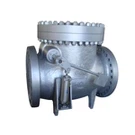
A cryogenic system operates at extremely low temperatures, typically below -150°C (-238°F). In such systems, swing type check valves play a crucial role in ensuring the proper flow of fluids and preventing backflow. As a swing type check valve supplier, I understand the unique requirements that these valves must meet to function effectively in cryogenic environments.
Material Selection
One of the primary requirements for a swing type check valve in a cryogenic system is the appropriate selection of materials. At low temperatures, many common materials become brittle and lose their mechanical properties. Therefore, materials with good low - temperature toughness are essential.
Stainless steel is a popular choice for cryogenic swing type check valves. Grades such as 304L and 316L are often used because they have excellent corrosion resistance and maintain their ductility at cryogenic temperatures. These materials can withstand the thermal stresses caused by the large temperature differentials in cryogenic systems.
Another option is nickel - based alloys like Inconel. Inconel alloys offer high strength and good resistance to oxidation and corrosion at both high and low temperatures. They are particularly suitable for applications where the valve may be exposed to harsh chemicals or extreme temperature variations.
The valve seat and disc materials also need to be carefully chosen. For cryogenic applications, materials like PTFE (Polytetrafluoroethylene) can be used for the seat. PTFE has a low coefficient of friction, which helps in smooth operation of the valve disc. It also has good chemical resistance and can maintain its sealing properties at low temperatures.
Sealing Performance
Sealing is of utmost importance in a cryogenic swing type check valve. A proper seal prevents leakage of cryogenic fluids, which can be extremely dangerous due to their low temperatures and potential for causing asphyxiation or frostbite.


The valve must have a tight shut - off to prevent backflow. The design of the valve seat and disc contact is critical for achieving a reliable seal. A well - machined seat and a properly shaped disc ensure a good mating surface, which is essential for preventing leakage.
In addition, the sealing elements need to be able to withstand the thermal contraction that occurs at low temperatures. The materials used for the seals should have a similar coefficient of thermal expansion to the valve body to avoid excessive stress on the sealing surfaces during temperature changes.
We offer a wide range of sealing options for our swing type check valves to meet the specific requirements of cryogenic systems. Our engineers can work with customers to select the most suitable sealing solution based on the application.
Design and Construction
The design of a swing type check valve for cryogenic systems needs to take into account the unique operating conditions. The valve should be able to open and close smoothly at low temperatures. The hinge mechanism of the valve disc should be designed to minimize friction and ensure reliable operation.
The valve body should be designed to withstand the pressure and thermal stresses in the cryogenic system. A robust construction is necessary to prevent deformation or cracking of the valve body. Some valves may be designed with a pressure - balanced disc to reduce the operating force required for opening and closing.
We also offer different types of swing type check valves, such as the pressure seal check valve. This type of valve is designed to provide a tight seal under high - pressure conditions, which are common in many cryogenic applications.
Flow Characteristics
In a cryogenic system, the flow characteristics of the swing type check valve are important. The valve should have a low pressure drop to minimize energy losses in the system. A streamlined design of the valve body and disc can help in achieving a low pressure drop.
The valve should also be able to handle the specific flow rates and viscosities of the cryogenic fluids. Different cryogenic fluids have different physical properties, and the valve design needs to be optimized accordingly. For example, some fluids may have a higher viscosity, which may require a larger valve size or a different disc design to ensure proper flow.
Testing and Certification
All our swing type check valves for cryogenic systems undergo rigorous testing to ensure their performance and reliability. We test the valves for leakage, pressure - holding capacity, and operational performance at cryogenic temperatures.
Our valves are also certified to meet international standards such as ASME (American Society of Mechanical Engineers) and ISO (International Organization for Standardization). These certifications ensure that our valves meet the highest quality and safety standards in the industry.
Compatibility with Other System Components
A swing type check valve in a cryogenic system needs to be compatible with other components in the system, such as pipes, pumps, and filters. The valve should have the appropriate connection size and type to ensure a proper fit with the existing system.
We offer a variety of connection options for our swing type check valves, including flanged, threaded, and welded connections. Our technical team can assist customers in selecting the right connection type based on their system requirements.
Other Types of Check Valves for Cryogenic Systems
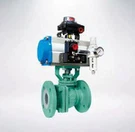
In addition to swing type check valves, we also offer other types of check valves that may be suitable for cryogenic applications. For example, the Ball Float Pattern Rubber Lined Check Valve can be used in some cryogenic systems where a different type of flow control is required. This valve uses a ball float mechanism to control the flow and can provide a reliable seal.
The Dual Plate Check Valve is another option. It has a compact design and can open and close quickly, which may be beneficial in some cryogenic applications where rapid flow control is needed.
Conclusion
As a swing type check valve supplier, we understand the complex requirements of cryogenic systems. Our valves are designed and manufactured to meet the highest standards of performance, reliability, and safety in these extreme environments.
If you are in need of a swing type check valve for your cryogenic system, or if you have any questions about our products, please feel free to contact us. Our team of experts is ready to assist you in selecting the right valve for your specific application. We can also provide technical support and after - sales service to ensure the smooth operation of your cryogenic system.
References
- ASME Boiler and Pressure Vessel Code
- ISO Standards for Valves
- Technical literature on cryogenic materials and valve design