

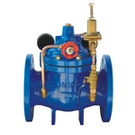
As a supplier of Automatic Control Valves, I've seen my fair share of valve failures over the years. These failures can be a real headache for both us suppliers and our customers, leading to downtime, increased maintenance costs, and even safety risks. In this blog, I'll share some of the most common failures of Automatic Control Valves and how to deal with them.
1. Leakage
One of the most obvious and frustrating problems with Automatic Control Valves is leakage. This can happen in different parts of the valve, such as the valve seat, stem, or body.
Seat Leakage
Seat leakage often occurs when the valve seat is damaged or worn out. For example, continuous flow of high - pressure or abrasive fluids can erode the seat surface. When the seat can't form a tight seal with the valve disc, fluid will leak through. In some industrial processes, even a small amount of leakage can contaminate the product or cause environmental issues.
Stem Leakage
The valve stem is another common area for leakage. If the stem packing, which is supposed to prevent fluid from escaping along the stem, is not properly installed or has deteriorated over time, it will lead to stem leakage. High - temperature or high - pressure environments can accelerate the aging of the packing material, making it less effective.
Body Leakage
Body leakage is usually due to cracks in the valve body. These cracks can be caused by factors like improper installation, thermal stress, or external impacts. A cracked valve body is a serious problem as it can lead to significant fluid loss and potential safety hazards.
2. Actuator Failure
The actuator is what makes the Automatic Control Valve open and close. If the actuator fails, the valve won't function as intended.
Electrical Actuator Failure
For electrically - operated actuators, electrical problems are a common cause of failure. Faulty wiring, blown fuses, or malfunctioning control circuits can prevent the actuator from receiving the correct signals to operate the valve. In addition, overheating of the motor in the actuator can also lead to failure. This can happen if the actuator is overloaded or if there is poor ventilation around the motor.
Pneumatic Actuator Failure
Pneumatic actuators rely on compressed air to operate. Air leaks in the pneumatic system can reduce the pressure available to the actuator, causing it to move slowly or not at all. Contamination in the compressed air, such as dirt, moisture, or oil, can also damage the internal components of the actuator, like the pistons or diaphragms.
3. Blockage
Blockage in an Automatic Control Valve can disrupt the normal flow of fluid.
Foreign Object Blockage
Foreign objects can enter the valve and get stuck, preventing the valve from opening or closing properly. These objects can come from the fluid itself, such as debris in a wastewater system, or from the installation process, like small tools or pieces of pipe insulation.
Scale and Sediment Build - up
In systems where the fluid contains minerals or other substances that can precipitate, scale and sediment can build up inside the valve. Over time, this build - up can restrict the flow passage and affect the valve's performance. For example, in a water treatment plant, calcium carbonate scale can form on the valve surfaces, reducing the valve's flow capacity.
4. Control System Malfunction
The control system is responsible for regulating the operation of the Automatic Control Valve based on various parameters such as pressure, temperature, or flow rate.
Sensor Failure
Sensors are used to measure the relevant parameters. If a sensor fails, it will send incorrect data to the control system. For example, a faulty pressure sensor may indicate a lower pressure than the actual value, causing the control system to open the valve more than necessary. This can lead to over - flow or other process inefficiencies.
Controller Failure
The controller processes the data from the sensors and sends commands to the actuator. A malfunctioning controller can make wrong decisions and send incorrect signals to the actuator. Software glitches, hardware failures, or improper programming can all cause controller problems.
5. Improper Sizing
Using an Automatic Control Valve that is not the right size for the application can also lead to problems.
Oversized Valve
An oversized valve may not be able to control the flow accurately. It may open and close too quickly, causing water hammer (a pressure surge in the piping system) and potentially damaging the valve and other components in the system. In addition, an oversized valve is more expensive and may consume more energy to operate.
Undersized Valve
On the other hand, an undersized valve can't handle the required flow rate. This can lead to excessive pressure drop across the valve, reduced system efficiency, and even damage to the valve due to high - velocity flow.
How to Deal with These Failures
Regular Maintenance
Regular maintenance is the key to preventing many of these failures. This includes inspecting the valve for leakage, checking the actuator and control system, and cleaning the valve to remove any blockages. For example, replacing the stem packing at regular intervals can prevent stem leakage, and cleaning the pneumatic actuator's air filters can reduce the risk of pneumatic actuator failure.

Proper Installation
Proper installation is crucial to ensure the long - term performance of the Automatic Control Valve. This means following the manufacturer's installation instructions carefully, using the correct tools and materials, and ensuring that the valve is installed in the right orientation and position. For example, when installing a valve in a pipeline, make sure there is enough clearance around the valve for maintenance and that the pipeline is properly supported to avoid stress on the valve body.
Upgrading Components
In some cases, upgrading certain components of the valve can improve its performance and reliability. For example, using more durable packing materials for the stem or upgrading to a more advanced actuator can reduce the likelihood of failure.
Related Products
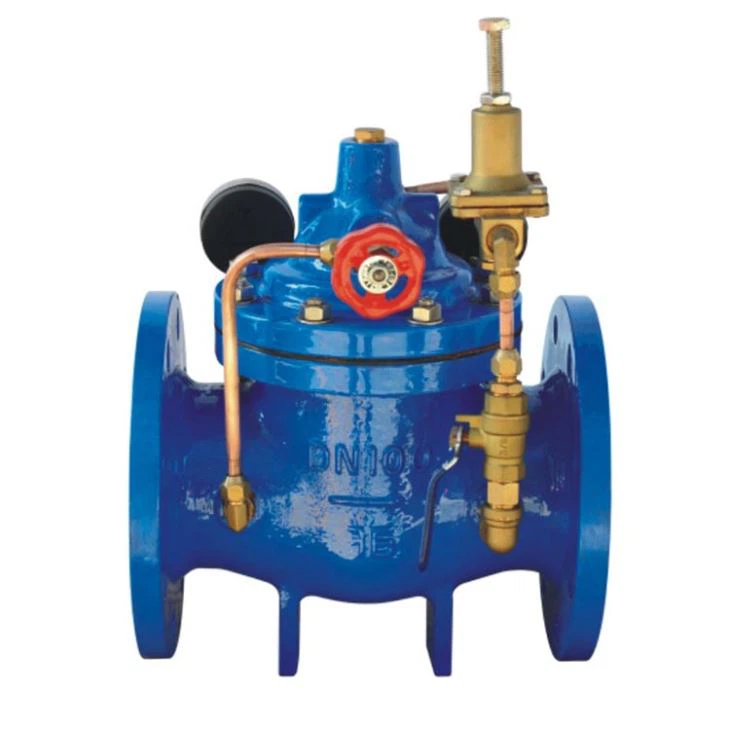
If you're looking for reliable Automatic Control Valves, we offer a range of high - quality products. Check out our Slow Control Check Valve, 200X Pressure Reducing Valve, and Slow Close Check Valve. These valves are designed to meet different application requirements and are built to last.
Conclusion
As an Automatic Control Valve supplier, I understand the importance of providing reliable products and helping our customers deal with valve failures. By being aware of the common failures and taking appropriate preventive measures, we can ensure that the valves operate smoothly and efficiently. If you're facing any issues with your Automatic Control Valves or are interested in purchasing new ones, don't hesitate to contact us for more information and to discuss your specific needs. We're here to help you find the best solutions for your applications.
References
- "Valve Handbook" by J. A. Zielinski
- "Control Valve Engineering" by W. M. Wadell