

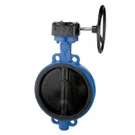
Hey there! As a supplier of butterfly valves, I've seen my fair share of issues with these handy pieces of equipment. Butterfly valves are super common in a bunch of industries, from water treatment to chemical processing. They're used to control the flow of liquids and gases, and they're known for being relatively simple and cost - effective. But like any piece of machinery, they can fail. So, let's dig into the common failures of a butterfly valve.
1. Sealing Problems
One of the most frequent issues we come across is sealing failure. A good seal is crucial for a butterfly valve to work properly. If the valve doesn't seal well, it can lead to leakage, which is a big no - no in many applications.
There are a few reasons why sealing might fail. First off, the valve seat can get damaged. The seat is what the disc of the valve presses against to create a seal. Over time, wear and tear from the flow of fluids, especially if they're abrasive or corrosive, can cause the seat to erode. For example, in a chemical plant where aggressive chemicals are being transported, the seat material might not be able to withstand the chemical reactions, leading to pitting and eventually a poor seal.
Another cause of sealing failure is improper installation. If the valve isn't installed correctly, the disc might not align properly with the seat. This misalignment can prevent a tight seal from forming. Sometimes, the bolts that hold the valve in place might not be tightened evenly, causing the valve body to warp slightly and affecting the sealing surface.
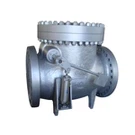
We offer different types of butterfly valves to address sealing needs. Check out our Metal To Metal Butterfly Valve With Bidirectional Sealing. This valve is designed with metal - to - metal sealing, which can be more durable in high - pressure and high - temperature applications. The bidirectional sealing feature ensures that the valve can seal effectively in both directions of flow, reducing the risk of leakage.
2. Disc and Stem Issues
The disc and stem of a butterfly valve are also prone to failures. The disc is the part that rotates to control the flow, and the stem is what connects the disc to the actuator.
One common problem with the disc is damage. If the fluid flowing through the valve contains solid particles, these particles can hit the disc and cause scratches or dents. In a wastewater treatment plant, for instance, the wastewater might have debris like sand or small rocks. These particles can gradually wear down the disc, affecting its ability to close tightly and control the flow accurately.
The stem can also face issues. Stem corrosion is a major concern, especially in environments with high humidity or exposure to corrosive substances. If the stem corrodes, it can become weak and might break. A broken stem means the valve can't be operated properly, and it can lead to a complete shutdown of the system.
We have a solution for high - performance applications. Our High Performance Butterfly Valve is built with a robust disc and stem design. The materials used are carefully selected to resist wear and corrosion, ensuring a longer service life and better performance.
3. Actuator Failures
The actuator is what makes the butterfly valve open and close. It can be a manual handwheel, an electric motor, or a pneumatic cylinder. Actuator failures are quite common and can disrupt the normal operation of the valve.
If it's an electric actuator, electrical problems can occur. Loose connections, faulty wiring, or a malfunctioning motor can prevent the actuator from working. For example, in an industrial setting with a lot of electrical interference, the signals sent to the actuator might get disrupted, causing the valve to open or close at the wrong time.
Pneumatic actuators can also face issues. Air leaks in the pneumatic system can reduce the pressure needed to operate the valve. If there's a leak in the air supply line or in the actuator itself, the valve might not open or close fully.
We recommend regular maintenance of the actuators to avoid these problems. And if you're looking for a reliable valve - actuator combination, our team can help you choose the right one for your specific needs.
4. Material Compatibility Problems
Using the wrong material for a butterfly valve can lead to all sorts of failures. Different fluids have different chemical properties, and the valve materials need to be compatible with these fluids.
For example, if you use a valve made of a metal that reacts with an acidic fluid, the valve can corrode quickly. This corrosion can not only damage the valve but also contaminate the fluid. In a food processing plant, using a valve with a material that isn't food - grade can introduce harmful substances into the food product.
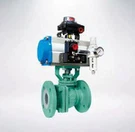
We offer a Teflon Lined Butterfly Valve. Teflon is known for its excellent chemical resistance. This lining can protect the valve body from corrosion, making it suitable for a wide range of corrosive fluids.
5. Fouling and Clogging
Fouling and clogging are common problems, especially in applications where the fluid contains solids or sticky substances. In a pulp and paper mill, for example, the pulp can stick to the inside of the valve, reducing the flow area and eventually clogging the valve.
Biofouling can also occur in water - based systems. Microorganisms can grow on the valve surfaces, forming a layer that restricts the flow. This can lead to increased pressure drop and reduced efficiency of the system.
To prevent fouling and clogging, regular cleaning and maintenance are essential. We can provide you with guidelines on how to keep your valves clean and free from blockages.
Conclusion
In conclusion, butterfly valves are great for many applications, but they're not without their problems. Sealing issues, disc and stem failures, actuator malfunctions, material compatibility problems, and fouling are all common failures that you might encounter. But don't worry! As a butterfly valve supplier, we've got the solutions. Whether you need a valve with better sealing, more durability, or chemical resistance, we have a wide range of products to meet your needs.


If you're facing any issues with your butterfly valves or are looking to purchase new ones, we're here to help. Just reach out to us, and our team of experts will work with you to find the best valve for your specific application. Let's talk about your requirements and get you the right butterfly valve for a smooth - running system.
References
- Valve Handbook: A Guide to Valve Technology and Applications
- Industrial Valve Maintenance and Troubleshooting Manual