

Ensuring a good seal in a ball valve is crucial for its proper functioning and longevity. As a ball valve supplier, I've seen firsthand how a poor seal can lead to leaks, inefficiencies, and even safety hazards. In this blog, I'll share some tips and tricks on how to achieve and maintain a good seal in a ball valve.
Understanding the Basics of Ball Valve Sealing
Before we dive into the tips, let's quickly go over how a ball valve works and what makes a good seal. A ball valve consists of a spherical disc (the ball) with a hole in the middle. When the valve is open, the hole aligns with the flow path, allowing fluid or gas to pass through. When the valve is closed, the ball rotates 90 degrees, blocking the flow path.
The seal in a ball valve is created by the contact between the ball and the valve seats. The seats are usually made of materials like PTFE (Teflon), metal, or ceramic, depending on the application. A good seal requires a tight fit between the ball and the seats, as well as the right amount of compression to prevent leaks.
Choosing the Right Valve for the Application
One of the first steps in ensuring a good seal is to choose the right ball valve for the job. Different applications have different requirements in terms of pressure, temperature, flow rate, and the type of fluid or gas being handled. For example, if you're dealing with high-pressure applications, you might need a Metal Seated Ball Valve that can withstand the forces without deforming.
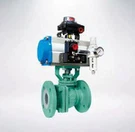
On the other hand, if you're working with corrosive fluids, a Ceramic Lined Ball Valve might be a better choice. The ceramic lining provides excellent resistance to corrosion and erosion, ensuring a long-lasting seal.


For applications that require precise flow control, a V Port Ball Valve can be a great option. The V-shaped port allows for more accurate throttling, which can help maintain a good seal even when the valve is partially open.
Proper Installation
Once you've chosen the right valve, proper installation is key to achieving a good seal. Here are some important installation tips:
- Clean the Pipeline: Before installing the ball valve, make sure the pipeline is clean and free of debris. Any dirt, rust, or other contaminants can damage the valve seats and prevent a proper seal.
- Use the Right Gaskets and O-Rings: Make sure to use the correct gaskets and O-rings for the valve. These seals are essential for preventing leaks between the valve and the pipeline. Make sure they are properly installed and tightened according to the manufacturer's specifications.
- Align the Valve Correctly: Ensure that the valve is properly aligned with the pipeline. Misalignment can cause uneven stress on the valve seats, leading to leaks. Use a level and a straightedge to check the alignment before tightening the bolts.
- Tighten the Bolts Uniformly: When tightening the bolts on the valve, make sure to do it uniformly. This helps to distribute the pressure evenly across the valve seats and prevents warping. Use a torque wrench to ensure that the bolts are tightened to the correct specification.
Regular Maintenance
Even with proper installation, regular maintenance is necessary to keep the ball valve in good working condition and maintain a good seal. Here are some maintenance tips:
- Inspect the Valve Regularly: Check the valve periodically for signs of wear, damage, or leaks. Look for any cracks, scratches, or other damage on the valve body, seats, and ball. If you notice any issues, address them immediately.
- Lubricate the Valve: Some ball valves require lubrication to operate smoothly and maintain a good seal. Follow the manufacturer's recommendations for lubrication intervals and use the recommended lubricant.
- Test the Valve: Periodically test the valve to ensure that it is functioning properly. This can include opening and closing the valve and checking for leaks. You can also perform pressure tests to ensure that the valve can withstand the required pressure without leaking.
- Replace Worn Parts: Over time, the valve seats, gaskets, and O-rings may wear out and need to be replaced. Keep an inventory of these parts and replace them as soon as you notice any signs of wear.
Dealing with Common Seal Problems
Despite your best efforts, you may still encounter some common seal problems with ball valves. Here are some solutions to these problems:
- Leaking Valve: If you notice a leak in the valve, the first thing to do is to check the gaskets and O-rings. Make sure they are properly installed and not damaged. If the leak persists, it could be a problem with the valve seats. In this case, you may need to replace the seats or the entire valve.
- Sticking Valve: A sticking valve can be caused by a variety of factors, including dirt, debris, or lack of lubrication. Try cleaning the valve and lubricating it according to the manufacturer's recommendations. If the problem persists, it could be a more serious issue, such as a damaged ball or seats. In this case, you may need to replace the valve.
- Corrosion: Corrosion can damage the valve seats and ball, leading to leaks. If you are dealing with a corrosive environment, make sure to choose a valve that is resistant to corrosion, such as a ceramic lined ball valve. You can also apply a protective coating to the valve to prevent corrosion.
Conclusion
Ensuring a good seal in a ball valve is essential for its proper functioning and longevity. By choosing the right valve for the application, installing it correctly, performing regular maintenance, and addressing common seal problems promptly, you can keep your ball valve in good working condition and prevent leaks.
If you're in the market for a high-quality ball valve or need help with valve installation, maintenance, or troubleshooting, I'd love to hear from you. As a trusted ball valve supplier, I have the expertise and experience to help you find the right solution for your needs. Contact me today to discuss your requirements and let's start a conversation about how I can assist you.
References
- Manufacturer's manuals for ball valves
- Industry standards and guidelines for ball valve installation and maintenance
- Technical articles and research papers on ball valve sealing technology