

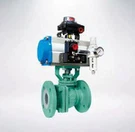
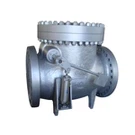
Swing type check valves are essential components in various piping systems, preventing backflow and ensuring the unidirectional flow of fluids. As a supplier of swing type check valves, I understand the importance of troubleshooting these valves effectively to maintain system efficiency and reliability. In this blog, I will share some common issues with swing type check valves and how to troubleshoot them.
Common Issues and Troubleshooting Methods
1. Valve Does Not Open Properly
- Possible Causes
- Debris in the Valve: Foreign objects such as dirt, scale, or small particles can accumulate inside the valve, preventing the disc from opening freely. This often occurs in systems where the fluid contains a high level of contaminants.
- Incorrect Installation: If the valve is installed upside - down or at an improper angle, the disc may not be able to open under the flow pressure. Also, misaligned piping can put stress on the valve, affecting its operation.
- Weak Spring or Damaged Hinge: In some swing type check valves, a spring is used to assist the disc movement. A weak or broken spring can prevent the disc from opening fully. Similarly, a damaged hinge can restrict the movement of the disc.
- Troubleshooting Steps
- Inspect and Clean the Valve: First, shut off the flow and isolate the valve. Remove the valve from the pipeline and disassemble it carefully. Clean all the internal parts, including the disc, seat, and body, using an appropriate cleaning agent. Make sure to remove all debris and contaminants.
- Check the Installation: Verify that the valve is installed correctly according to the manufacturer's instructions. Ensure that the piping is properly aligned and there is no excessive stress on the valve.
- Examine the Spring and Hinge: If the valve has a spring, check its condition. Replace the spring if it is weak or damaged. Inspect the hinge for any signs of wear, cracking, or misalignment. Repair or replace the hinge as necessary.
2. Valve Does Not Close Properly
- Possible Causes
- Worn - Out Seat or Disc: Continuous operation can cause wear on the sealing surfaces of the seat and disc. This can lead to leakage when the valve is supposed to be closed.
- Foreign Objects Trapped Between the Seat and Disc: Small particles can get stuck between the sealing surfaces, preventing a proper seal.
- High Backflow Velocity: Excessive backflow velocity can cause the disc to slam against the seat, which may damage the sealing surfaces over time and prevent a tight closure.
- Troubleshooting Steps
- Inspect the Sealing Surfaces: Disassemble the valve and carefully examine the seat and disc for signs of wear, scratches, or damage. If the wear is minor, the sealing surfaces can be lapped to restore their smoothness. For more severe damage, the seat or disc may need to be replaced.
- Remove Foreign Objects: Clean the valve thoroughly to remove any debris trapped between the seat and disc. Pay special attention to the sealing area.
- Reduce Backflow Velocity: If high backflow velocity is the issue, consider installing a Damping Device check valve. This type of valve is designed to control the closing speed of the disc, reducing the impact and wear on the sealing surfaces.
3. Leakage Through the Valve
- Possible Causes
- Faulty Sealing Gaskets: The gaskets used to seal the valve body joints or connections can deteriorate over time due to factors such as temperature, pressure, and chemical exposure.
- Cracked Valve Body: A cracked valve body can allow fluid to leak out. This can be caused by excessive pressure, improper installation, or physical damage.
- Incorrect Torque on Bolts: If the bolts used to assemble the valve are not tightened to the correct torque, it can result in a loose connection and leakage.
- Troubleshooting Steps
- Check and Replace Gaskets: Inspect the gaskets for signs of damage, such as cracking, swelling, or hardening. Replace the gaskets with new ones that are compatible with the fluid and operating conditions.
- Inspect the Valve Body: Look for any visible cracks or damage on the valve body. If a crack is found, the valve may need to be replaced. In some cases, minor cracks can be repaired using appropriate welding techniques, but this should be done by a qualified professional.
- Verify Bolt Torque: Use a torque wrench to check the tightness of the bolts. Tighten the bolts to the manufacturer's recommended torque value. Make sure to tighten the bolts evenly to avoid uneven stress on the valve.
4. Excessive Noise or Vibration
- Possible Causes
- Cavitation: Cavitation occurs when the pressure in the fluid drops below the vapor pressure, causing the formation and collapse of vapor bubbles. This can create noise and vibration, and it can also damage the valve components.
- Water Hammer: A sudden change in fluid flow velocity, such as when a valve closes rapidly, can cause a water hammer effect. This results in a shock wave that can cause noise and vibration in the pipeline and valve.
- Loose Internal Components: If the disc, hinge, or other internal components are loose, they can vibrate during operation, producing noise.
- Troubleshooting Steps
- Address Cavitation: To reduce cavitation, increase the upstream pressure or modify the system to avoid pressure drops below the vapor pressure. You can also consider using a pressure seal check valve, which is designed to handle high - pressure applications more effectively.
- Prevent Water Hammer: Install surge suppressors or slow - closing valves in the system to reduce the impact of sudden flow changes. Adjust the valve closing speed to prevent rapid closure.
- Tighten Loose Components: Disassemble the valve and check for any loose internal parts. Tighten or secure them properly to eliminate the vibration source.
Other Considerations
- Regular Maintenance: Implement a regular maintenance schedule for swing type check valves. This includes visual inspections, cleaning, and lubrication (if required). Regular maintenance can help detect and prevent potential issues before they become major problems.
- System Compatibility: Ensure that the swing type check valve is compatible with the fluid, temperature, and pressure conditions of the system. Using an inappropriate valve can lead to premature failure and performance issues.
- Training and Education: Provide training to the personnel responsible for operating and maintaining the valves. They should be familiar with the valve's operation, troubleshooting procedures, and safety precautions.
Conclusion
Troubleshooting swing type check valves requires a systematic approach and a good understanding of the valve's operation and possible failure modes. By following the steps outlined in this blog, you can effectively diagnose and resolve common issues with swing type check valves. As a supplier of swing type check valves, we are committed to providing high - quality products and technical support to our customers. If you have any questions or need assistance with troubleshooting or selecting the right valve for your application, please feel free to contact us for further discussion and procurement opportunities. We also offer a wide range of valve types, including Dual Plate Check Valve, to meet different system requirements.


References
- Valve Handbook, 4th Edition by Arnold M. Trostel
- Piping and Pipeline Engineering: Design, Construction, Maintenance, Integrity, and Repair by Ali M. Al - Badr