

Water hammer is a common and potentially damaging phenomenon in fluid systems. It occurs when the flow of fluid in a pipe is suddenly stopped or changed, causing a pressure surge. In a system with a dual plate check valve, preventing water hammer is crucial to ensure the safety and efficiency of the entire system. As a supplier of Dual Plate Check Valves, I have in - depth knowledge and experience in this area, and I'd like to share some effective methods on how to prevent water hammer.
Understanding Water Hammer in Systems with Dual Plate Check Valves
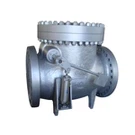
Before discussing prevention methods, it's essential to understand how water hammer occurs in systems with dual plate check valves. A dual plate check valve Dual Plate Check Valve is designed to allow fluid to flow in one direction and prevent backflow. When the fluid flow stops suddenly, such as when a pump is shut off, the momentum of the fluid can cause the valve to close rapidly. This rapid closure can create a pressure wave that travels back and forth in the pipe, resulting in water hammer. The consequences of water hammer can range from minor noise and vibration to severe pipe damage, valve failure, and even system shutdown.
Selecting the Right Dual Plate Check Valve
The first step in preventing water hammer is to select the appropriate dual plate check valve for the system. The valve should be sized correctly based on the flow rate, pressure, and pipe diameter of the system. An undersized valve may close too quickly, increasing the risk of water hammer, while an oversized valve may not close properly, leading to backflow.


In addition to size, the design features of the dual plate check valve also play a crucial role. Some dual plate check valves are equipped with a damping device, which can slow down the closing speed of the valve. A Damping Device check valve can effectively reduce the pressure surge caused by rapid valve closure. The damping mechanism can be a hydraulic or pneumatic device that provides resistance to the valve movement, allowing it to close gradually.
Installing Surge Suppressors
Surge suppressors, also known as pressure relief valves or accumulators, are another effective way to prevent water hammer. These devices are installed in the system to absorb the excess pressure generated by water hammer. When a pressure surge occurs, the surge suppressor releases or stores the excess fluid, reducing the pressure in the pipe.
There are different types of surge suppressors available, such as bladder - type accumulators, piston - type accumulators, and spring - loaded pressure relief valves. The choice of surge suppressor depends on the specific requirements of the system, including the maximum pressure, flow rate, and response time.
Implementing Slow - Closing Devices
Slow - closing devices can be used to control the closing speed of the dual plate check valve. These devices can be mechanical, hydraulic, or electrical, and they work by gradually reducing the flow rate before the valve closes. For example, a slow - closing actuator can be installed on the valve to control its movement. The actuator can be programmed to close the valve over a specific period, minimizing the pressure surge caused by rapid closure.
Another option is to use a flow - control valve upstream of the dual plate check valve. The flow - control valve can be adjusted to gradually reduce the flow rate as the pump is shut off or the system is being shut down. This gradual reduction in flow rate allows the dual plate check valve to close more slowly, reducing the risk of water hammer.
Proper System Design and Installation
Proper system design and installation are essential for preventing water hammer. The pipe layout should be designed to minimize sharp bends, elbows, and sudden changes in pipe diameter, as these can cause turbulence and increase the risk of water hammer. The pipes should also be properly supported to prevent excessive vibration.
During installation, it's important to ensure that the dual plate check valve is installed correctly. The valve should be installed in the correct orientation, with the flow direction indicated on the valve body matching the actual flow direction in the pipe. The valve should also be properly aligned and tightened to prevent leakage.
Regular Maintenance and Inspection
Regular maintenance and inspection of the dual plate check valve and the entire system are crucial for preventing water hammer. The valve should be inspected for wear, damage, and proper operation on a regular basis. Any worn or damaged parts should be replaced immediately to ensure the valve functions properly.
The system should also be checked for leaks, blockages, and other potential issues. Pressure gauges and flow meters can be installed in the system to monitor the pressure and flow rate. Any abnormal readings should be investigated and addressed promptly to prevent water hammer.
Using Alternative Check Valve Types
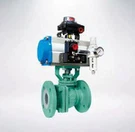
In some cases, using alternative check valve types may be a better option to prevent water hammer. For example, a Ball Float Pattern Rubber Lined Check Valve has a different operating principle compared to a dual plate check valve. The ball float in the valve rises and falls with the fluid level, allowing the valve to open and close more gradually. This type of valve can be more suitable for systems where water hammer is a significant concern.
Training and Education
Proper training and education of the system operators are also important for preventing water hammer. Operators should be trained on the correct operation of the system, including how to start and stop the pump, how to monitor the pressure and flow rate, and how to recognize the signs of water hammer. They should also be aware of the importance of following the maintenance schedule and reporting any issues promptly.
Conclusion
Preventing water hammer in a system with a dual plate check valve requires a comprehensive approach that includes selecting the right valve, installing surge suppressors, implementing slow - closing devices, proper system design and installation, regular maintenance and inspection, considering alternative valve types, and providing training to the operators. As a supplier of Dual Plate Check Valves, I am committed to providing high - quality products and professional solutions to help our customers prevent water hammer and ensure the safe and efficient operation of their systems.
If you are interested in our Dual Plate Check Valves or need more information on preventing water hammer, please feel free to contact us for procurement and further discussion. We have a team of experts who can provide you with customized solutions based on your specific requirements.
References
- Karassik, I. J., Messina, R. P., Cooper, P. T., & Heald, C. C. (2008). Pump Handbook. McGraw - Hill.
- Crane Co. (1988). Flow of Fluids Through Valves, Fittings, and Pipe. Technical Paper No. 410.
- ASME. (2019). Boiler and Pressure Vessel Code. American Society of Mechanical Engineers.