

As a seasoned supplier of Knife Gate Valves, I've witnessed firsthand the critical role these valves play in various industrial applications. From controlling the flow of abrasive slurries in mining operations to managing the movement of viscous fluids in chemical plants, Knife Gate Valves are indispensable. However, to ensure they perform at their best, it's essential to optimize their performance. In this blog post, I'll share some valuable insights and practical tips on how to achieve this.
Understanding the Basics of Knife Gate Valves
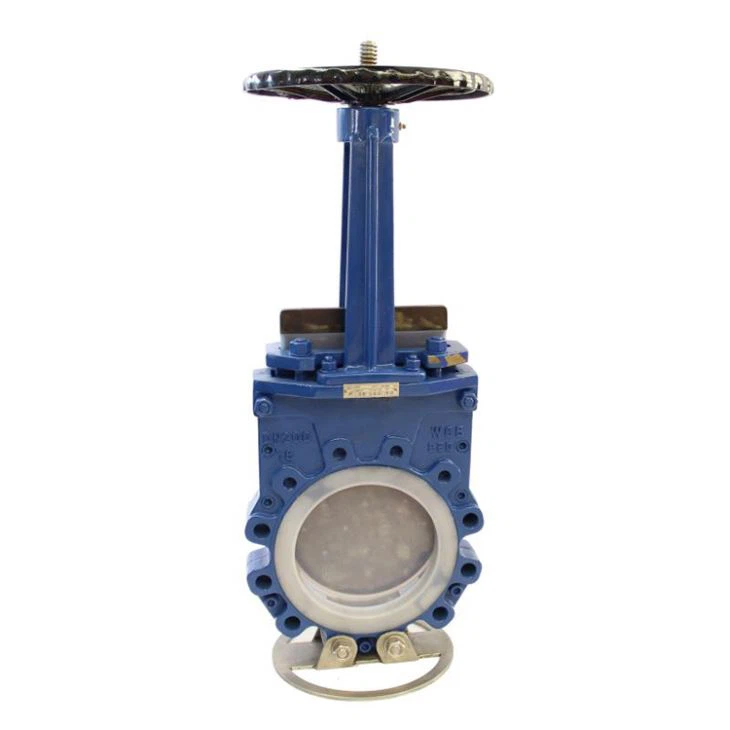
Before delving into optimization strategies, it's crucial to have a solid understanding of Knife Gate Valves. These valves are designed with a sharp-edged gate that slices through the media to control flow. They are typically used in applications where a tight shut-off is required, and the media contains solids or is highly viscous.
There are several types of Knife Gate Valves available, each with its own unique features and benefits. For instance, the Metal Seated Knife Gate Valve is known for its durability and resistance to high temperatures and pressures. It's an excellent choice for applications involving abrasive or corrosive media. On the other hand, the Urethan knife gate valve offers superior resistance to wear and tear, making it ideal for handling slurries and other abrasive materials. The resilient seated knife gate valve provides a tight seal and is suitable for applications where a low-leakage rate is required.
Selecting the Right Valve for the Application
One of the most critical steps in optimizing the performance of a Knife Gate Valve is selecting the right valve for the specific application. This involves considering several factors, such as the type of media, the operating conditions, and the required flow rate.
- Media Type: The type of media being handled is a crucial consideration. For abrasive media, a valve with a hard-facing or a wear-resistant lining, such as the Urethan knife gate valve, is recommended. For corrosive media, a valve made from corrosion-resistant materials, such as stainless steel or a special alloy, should be selected.
- Operating Conditions: The operating conditions, including temperature, pressure, and flow rate, also play a significant role in valve selection. High-temperature applications may require a valve with a metal seat, while high-pressure applications may need a valve with a robust design and a high-pressure rating.
- Flow Rate: The required flow rate is another important factor. A valve with a larger bore size may be necessary to achieve the desired flow rate, especially in applications with high flow requirements.
Proper Installation and Maintenance
Once the right valve has been selected, proper installation and maintenance are essential to ensure optimal performance.
- Installation: During installation, it's crucial to follow the manufacturer's instructions carefully. This includes ensuring proper alignment, tightening the bolts to the specified torque, and using the correct gaskets and seals. Improper installation can lead to leaks, valve damage, and reduced performance.
- Maintenance: Regular maintenance is key to keeping the valve in good working condition. This includes inspecting the valve for wear and tear, cleaning the valve components, and lubricating the moving parts. It's also important to replace any worn or damaged parts promptly to prevent further damage and ensure reliable operation.
Optimizing the Valve Design
In addition to proper selection, installation, and maintenance, optimizing the valve design can also improve performance.
- Sealing Technology: The sealing technology used in the valve is critical for achieving a tight shut-off. Advanced sealing materials and designs can help reduce leakage and improve the valve's performance. For example, some valves use a double-sealing system or a self-adjusting seal to ensure a reliable seal even under harsh operating conditions.
- Gate Design: The design of the gate can also affect the valve's performance. A sharp-edged gate can cut through the media more effectively, reducing the risk of clogging and improving the valve's ability to control flow. Additionally, a gate with a smooth surface can minimize friction and wear, extending the valve's lifespan.
- Actuation System: The actuation system used to operate the valve can also impact performance. A reliable and efficient actuation system, such as an electric or pneumatic actuator, can ensure smooth and precise operation of the valve. It's important to select an actuation system that is compatible with the valve and the application requirements.
Monitoring and Troubleshooting
Regular monitoring and troubleshooting are essential to detect and address any performance issues promptly.
- Monitoring: Monitoring the valve's performance parameters, such as pressure, flow rate, and temperature, can help identify any potential problems early on. This can be done using sensors and monitoring devices installed on the valve or the pipeline.
- Troubleshooting: If a performance issue is detected, it's important to troubleshoot the problem quickly to minimize downtime. This may involve inspecting the valve, checking the actuation system, and analyzing the operating conditions. By identifying and addressing the root cause of the problem, the valve's performance can be restored.
Conclusion
Optimizing the performance of a Knife Gate Valve is crucial for ensuring reliable and efficient operation in various industrial applications. By selecting the right valve for the application, ensuring proper installation and maintenance, optimizing the valve design, and monitoring and troubleshooting regularly, you can maximize the valve's performance and lifespan.
If you're in the market for a high-quality Knife Gate Valve or need assistance with valve optimization, please don't hesitate to contact us. Our team of experts is ready to help you find the best solution for your specific needs.

References
- Valve Handbook, 4th Edition, by J. S. Tuzson
- Industrial Valves: A Guide to Selection and Application, by T. A. Lowry