

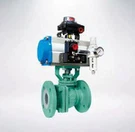
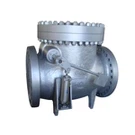
Throttling is a crucial operation in many industrial processes, allowing for the precise control of fluid flow rates. Flat or slab gate valves are commonly used in various industries for fluid isolation, but they can also be utilized for throttling purposes when operated correctly. As a supplier of flat or slab gate valves, I understand the importance of proper operation to ensure optimal performance and longevity of the valves. In this blog post, I will share some insights on how to operate flat or slab gate valves for throttling purposes.
Understanding Flat or Slab Gate Valves
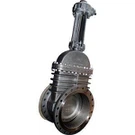
Before delving into the throttling operation, it's essential to have a basic understanding of flat or slab gate valves. These valves consist of a flat or slab-shaped gate that moves perpendicular to the flow direction to open or close the valve. When the gate is fully raised, the valve is open, allowing unrestricted fluid flow. Conversely, when the gate is fully lowered, the valve is closed, blocking the flow.
Flat or slab gate valves are known for their simple design, low pressure drop, and excellent sealing capabilities. They are commonly used in applications where full flow or complete shut-off is required, such as in oil and gas pipelines, power plants, and water treatment facilities.
Throttling with Flat or Slab Gate Valves
While flat or slab gate valves are primarily designed for on-off service, they can be used for throttling in certain situations. Throttling involves partially opening the valve to control the flow rate of the fluid. However, it's important to note that flat or slab gate valves are not ideal for continuous throttling applications due to their design limitations.
When the gate of a flat or slab gate valve is partially open, the fluid flow creates a high-velocity jet that impinges on the gate and the valve seat. This can cause erosion, cavitation, and vibration, which can lead to premature wear and damage to the valve components. Additionally, the uneven distribution of flow across the gate can result in poor flow control and instability.
Best Practices for Throttling with Flat or Slab Gate Valves
If you need to use flat or slab gate valves for throttling purposes, here are some best practices to follow:
1. Select the Right Valve
Choose a flat or slab gate valve that is specifically designed for throttling applications. These valves typically have features such as a streamlined gate design, a hard-faced seat, and a robust construction to withstand the high-velocity flow and erosion. For example, our Cast Steel Gate Valves are engineered for reliable performance in throttling applications, offering excellent durability and flow control.
2. Limit the Throttling Range
To minimize the risk of erosion and damage, limit the throttling range of the valve. Avoid operating the valve in the low-percentage open position (less than 20% open) for extended periods. Instead, try to operate the valve in the mid-range (between 20% and 80% open), where the flow is more stable and the risk of erosion is reduced.
3. Monitor the Valve Performance
Regularly monitor the valve performance during throttling operation. Check for signs of erosion, vibration, and leakage. If you notice any abnormal behavior, such as excessive noise or a decrease in flow control, stop the operation immediately and inspect the valve for damage.
4. Use a Flow Control Device
Consider using a flow control device, such as a flow meter or a pressure regulator, in conjunction with the flat or slab gate valve to improve flow control and stability. These devices can help you accurately measure and adjust the flow rate, reducing the need for excessive throttling of the valve.
5. Follow the Manufacturer's Instructions
Always follow the manufacturer's instructions and recommendations for operating the flat or slab gate valve. This includes proper installation, maintenance, and lubrication procedures. Improper installation or maintenance can significantly affect the performance and lifespan of the valve.
Special Considerations for Throttling with Flat or Slab Gate Valves
In addition to the best practices mentioned above, there are some special considerations to keep in mind when throttling with flat or slab gate valves:
1. Fluid Properties
The properties of the fluid being throttled, such as its viscosity, density, and temperature, can have a significant impact on the valve performance. For example, high-viscosity fluids may require a larger valve opening to achieve the desired flow rate, while high-temperature fluids may cause thermal expansion and affect the sealing performance of the valve. Make sure to consider the fluid properties when selecting and operating the valve.
2. System Pressure
The system pressure also plays a crucial role in throttling operation. High system pressures can increase the risk of erosion and cavitation, especially when the valve is partially open. Ensure that the valve is rated for the maximum system pressure and that the pressure drop across the valve is within the acceptable range.
3. Valve Size
The size of the valve relative to the pipeline diameter can affect the flow characteristics and the throttling performance. A valve that is too small for the pipeline may cause excessive pressure drop and turbulence, while a valve that is too large may result in poor flow control and instability. Select the valve size based on the flow requirements and the system design.


Troubleshooting Common Issues
Despite following the best practices and special considerations, you may encounter some common issues when throttling with flat or slab gate valves. Here are some troubleshooting tips to help you address these issues:
1. Erosion
If you notice signs of erosion on the gate or the valve seat, such as pitting or wear, it may be necessary to replace the damaged components. Consider using a valve with a hard-faced seat or a Ceramic Lined Gate Valve to improve erosion resistance.
2. Cavitation
Cavitation occurs when the pressure of the fluid drops below its vapor pressure, causing the formation and collapse of vapor bubbles. This can result in noise, vibration, and damage to the valve components. To prevent cavitation, ensure that the pressure drop across the valve is within the acceptable range and that the valve is properly sized for the application.
3. Leakage
If you detect leakage from the valve, check the valve packing and the sealing surfaces for damage. Tighten the packing gland or replace the packing if necessary. If the leakage persists, it may be a sign of a damaged valve seat or gate, and the valve may need to be repaired or replaced.
4. Vibration
Vibration can be caused by a variety of factors, such as uneven flow distribution, cavitation, or improper installation. To reduce vibration, ensure that the valve is properly aligned and supported, and that the flow is evenly distributed across the gate. Consider using a flow straightener or a diffuser to improve the flow characteristics.
Conclusion
Throttling with flat or slab gate valves requires careful consideration and proper operation to ensure optimal performance and longevity of the valves. While these valves are not ideal for continuous throttling applications, they can be used effectively in certain situations when the best practices and special considerations are followed. As a supplier of flat or slab gate valves, we are committed to providing high-quality products and technical support to help you achieve reliable and efficient throttling operation.
If you have any questions or need further assistance with throttling applications, please don't hesitate to contact us. Our team of experts is ready to help you select the right valve and provide you with the necessary guidance and support.
References
- Valve Handbook, 4th Edition, by Robert W. Saunders
- ASME B16.34 - Valves - Flanged, Threaded, and Welding End
- API 6D - Specification for Pipeline Valves