

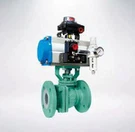
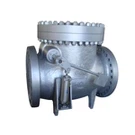
Hey there! As a supplier of plug valves, I've seen firsthand how important it is to install them correctly, especially in vertical pipelines. In this blog, I'll walk you through the process of installing a plug valve in a vertical pipeline, step by step.
1. Preparation
Before you start the installation, you need to gather all the necessary tools and materials. Here's a quick list:
- Plug Valve: Make sure you have the right type and size of plug valve for your pipeline. We offer a variety of plug valves, including Metal sealing Lift Plug Valve, Lubricated Plug Valve, and Twin Seal Orbit Plug Valve.
- Wrenches: You'll need a set of wrenches to tighten the bolts and nuts.
- Gaskets: Gaskets are used to create a seal between the valve and the pipeline. Make sure you choose the right type of gasket for your application.
- Thread Sealant: If your valve has threaded connections, you'll need to use a thread sealant to prevent leaks.
- Safety Equipment: Always wear safety glasses, gloves, and other appropriate safety equipment when working with pipelines and valves.
2. Pipeline Inspection
Before installing the plug valve, you need to inspect the pipeline to make sure it's in good condition. Here are some things to look for:
- Cleanliness: The pipeline should be clean and free of debris, rust, and other contaminants. If necessary, clean the pipeline using a wire brush or other cleaning tools.
- Alignment: The pipeline should be properly aligned to ensure that the valve can be installed correctly. Use a level or other alignment tools to check the alignment of the pipeline.
- Flange Condition: If your valve has flanged connections, you need to check the condition of the flanges. The flanges should be flat, smooth, and free of damage. If the flanges are damaged, you may need to replace them.
3. Valve Preparation
Before installing the plug valve, you need to prepare the valve for installation. Here are some steps to follow:
- Inspect the Valve: Inspect the valve to make sure it's in good condition. Check for any damage, such as cracks, dents, or scratches. If the valve is damaged, do not install it.
- Lubricate the Valve: If your valve requires lubrication, apply the appropriate lubricant to the valve stem and other moving parts. Make sure you follow the manufacturer's instructions for lubrication.
- Install the Gaskets: Place the gaskets on the valve flanges or threaded connections. Make sure the gaskets are properly aligned and seated.
4. Valve Installation
Now it's time to install the plug valve in the vertical pipeline. Here are the steps to follow:


- Position the Valve: Carefully position the valve in the pipeline. Make sure the valve is properly aligned with the pipeline and that the flow direction is correct.
- Connect the Valve: If your valve has flanged connections, use bolts and nuts to connect the valve to the pipeline. Tighten the bolts and nuts evenly to ensure a proper seal. If your valve has threaded connections, use a thread sealant to connect the valve to the pipeline. Tighten the connections using a wrench.
- Check the Alignment: After connecting the valve, check the alignment of the valve and the pipeline. Make sure the valve is straight and that there is no misalignment.
- Tighten the Connections: Once the valve is properly aligned, tighten the connections further to ensure a secure and leak-free installation.
5. Testing
After installing the plug valve, you need to test the valve to make sure it's working properly. Here are the steps to follow:
- Open and Close the Valve: Open and close the valve several times to make sure it's operating smoothly. Check for any signs of binding or resistance.
- Check for Leaks: Inspect the valve and the pipeline for any signs of leaks. If you find any leaks, tighten the connections or replace the gaskets as necessary.
- Pressure Test: If required, perform a pressure test on the valve and the pipeline to ensure that they can withstand the operating pressure. Follow the manufacturer's instructions for pressure testing.
6. Maintenance
Once the plug valve is installed and tested, it's important to perform regular maintenance to keep the valve in good working condition. Here are some maintenance tips:
- Lubrication: If your valve requires lubrication, make sure you lubricate the valve stem and other moving parts regularly. Follow the manufacturer's instructions for lubrication.
- Inspection: Inspect the valve and the pipeline regularly for any signs of wear, damage, or corrosion. Replace any worn or damaged parts as necessary.
- Cleaning: Clean the valve and the pipeline regularly to prevent the buildup of debris and contaminants.
- Testing: Perform regular testing on the valve to make sure it's working properly. This includes opening and closing the valve, checking for leaks, and performing pressure tests if required.
Conclusion
Installing a plug valve in a vertical pipeline may seem like a daunting task, but it's actually quite straightforward if you follow the right steps. By following the steps outlined in this blog, you can ensure a successful installation and a long-lasting, reliable valve.
If you're in the market for a plug valve, we're here to help. We offer a wide range of high-quality plug valves, including Metal sealing Lift Plug Valve, Lubricated Plug Valve, and Twin Seal Orbit Plug Valve. Our team of experts can help you choose the right valve for your application and provide you with the support you need for installation and maintenance.
Contact us today to learn more about our plug valves and how we can help you with your pipeline needs. We look forward to working with you!
References
- Valve Installation Manuals
- Pipeline Engineering Standards
- Industry Best Practices for Valve Installation and Maintenance