

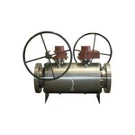
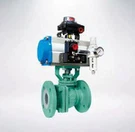
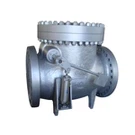
A top entry ball valve is a critical component in many industrial applications, where it is used to control the flow of various fluids, including gases, liquids, and slurries. As a top entry ball valve supplier, I understand the importance of durability in these valves. A durable valve not only ensures long - term, reliable operation but also reduces maintenance costs and downtime. In this blog, I will share some essential strategies on how to improve the durability of a top entry ball valve.


Material Selection
The choice of materials for a top entry ball valve is the foundation for its durability. The body, ball, stem, and seats of the valve are the key components that come into contact with the fluid being controlled and are subject to various forces and corrosive environments.
For the valve body, materials such as carbon steel, stainless steel, and alloy steel are commonly used. Carbon steel is a cost - effective option for general industrial applications where corrosion is not a major concern. However, in corrosive environments, stainless steel, especially grades like 316 or 316L, is a better choice due to its high resistance to rust and chemical attack. Alloy steel can be used in high - pressure and high - temperature applications, as it offers excellent strength and toughness.
The ball of the valve should be made of a material that is hard and wear - resistant. Chrome - plated steel or ceramic balls are often used. Chrome - plated steel balls provide good hardness and corrosion resistance, while ceramic balls are extremely hard and have excellent wear resistance, making them suitable for applications involving abrasive fluids.
The stem of the valve needs to be strong enough to withstand the torque required to operate the valve and resistant to corrosion. Stainless steel or alloy steel stems are commonly used, and they can be further protected with coatings to enhance their durability.
The seats of the valve are crucial for achieving a tight seal. There are two main types of seats: soft seats and metal seats. Soft seats, typically made of materials like PTFE (polytetrafluoroethylene), offer excellent sealing performance but may have limited temperature and chemical resistance. Metal seats, on the other hand, can withstand higher temperatures and pressures and are more resistant to wear and corrosion. You can learn more about different types of ball valves, such as Seated Ball Valve, which may have different seat designs and materials.
Design Optimization
A well - designed top entry ball valve can significantly improve its durability. The design should take into account factors such as fluid flow characteristics, pressure distribution, and mechanical stress.
First, the internal flow path of the valve should be designed to minimize turbulence and pressure drop. Turbulent flow can cause erosion and cavitation, which can damage the valve components over time. A smooth and streamlined flow path can reduce these effects and extend the life of the valve.
The valve's sealing mechanism is also an important aspect of the design. A proper seat design that ensures a uniform and tight seal under different operating conditions is essential. The seat should be able to compensate for any minor misalignments or wear to maintain a reliable seal.
In addition, the valve's structural design should be able to withstand the mechanical stresses imposed during operation. This includes ensuring that the valve body, stem, and other components have sufficient thickness and strength to handle the pressure and torque. For high - pressure applications, a Trunnion Mounted Ball Valve design can be used. This design features a trunnion that supports the ball, reducing the load on the seats and improving the valve's durability.
Manufacturing Quality Control
High - quality manufacturing processes are essential for producing durable top entry ball valves. Strict quality control measures should be implemented at every stage of the manufacturing process, from raw material inspection to final assembly and testing.
When inspecting raw materials, it is important to ensure that they meet the specified standards. This includes checking the chemical composition, mechanical properties, and surface quality of the materials. Any defective materials should be rejected to prevent potential problems in the finished valve.
During the machining process, precise machining techniques should be used to ensure that the dimensions of the valve components are within the specified tolerances. This is crucial for achieving a proper fit and seal between the components. For example, the ball and seat should be machined to a high degree of accuracy to ensure a tight seal.
After machining, the components should be properly heat - treated to improve their hardness, strength, and corrosion resistance. Heat treatment processes such as quenching and tempering can significantly enhance the mechanical properties of the materials.
Assembly is another critical stage in the manufacturing process. The components should be assembled correctly, and all fasteners should be tightened to the specified torque. Any misaligned or loose components can lead to premature failure of the valve.
Finally, the finished valve should undergo rigorous testing to ensure its performance and durability. This includes pressure testing, leak testing, and functional testing. The valve should be tested under different operating conditions to simulate real - world scenarios and ensure that it can meet the requirements of the application.
Maintenance and Lubrication
Regular maintenance and proper lubrication are essential for extending the life of a top entry ball valve. Maintenance activities should include inspection, cleaning, and replacement of worn components.
Inspection should be carried out regularly to check for any signs of wear, corrosion, or damage. This includes inspecting the valve body, ball, stem, seats, and seals. Any worn or damaged components should be replaced promptly to prevent further damage to the valve.
Cleaning the valve is also important, especially in applications where the fluid contains contaminants. Contaminants can accumulate on the valve components and cause erosion, corrosion, or blockages. The valve should be cleaned using appropriate cleaning agents and techniques to remove any dirt, debris, or deposits.
Lubrication is crucial for reducing friction and wear between the moving parts of the valve. The stem, ball, and seats should be lubricated regularly with a suitable lubricant. The type of lubricant used should be compatible with the valve materials and the fluid being controlled. For example, in applications involving food or pharmaceutical products, a food - grade lubricant should be used.
Operating Conditions Management
Proper management of the operating conditions can also improve the durability of a top entry ball valve. The valve should be operated within its specified pressure, temperature, and flow rate limits.
Exceeding the pressure rating of the valve can cause structural damage to the valve body, stem, and seats. High - pressure surges should be avoided, and the pressure in the system should be regulated to ensure stable operation.
Similarly, operating the valve outside its temperature range can affect the performance and durability of the valve. Extreme temperatures can cause the materials to expand or contract, leading to leaks or mechanical failures. In high - temperature applications, appropriate insulation and cooling measures should be taken to protect the valve.
The flow rate of the fluid through the valve should also be controlled. Excessive flow rates can cause erosion and cavitation, while low flow rates may lead to sedimentation and blockages.
In conclusion, improving the durability of a top entry ball valve requires a comprehensive approach that includes proper material selection, design optimization, high - quality manufacturing, regular maintenance, and careful management of operating conditions. As a Top Entry Ball Valve supplier, I am committed to providing high - quality valves that meet the most demanding industrial requirements. If you are in the market for durable top entry ball valves, please feel free to contact us for further discussion and procurement.
References
- Valve Handbook, Third Edition, by E. Richard Shook
- ASME B16.34 - 2017, Valves - Flanged, Threaded, and Welding End