

The pH value of the slurry is a crucial factor that can significantly influence the performance of a Slurry Gate Valve. As a leading Slurry Gate Valve supplier, we have witnessed firsthand the diverse effects that different pH values can have on these valves. In this blog post, we will delve into the science behind how the pH value of the slurry impacts the performance of Slurry Gate Valves and explore the implications for various industrial applications.

1. Understanding Slurry and pH
Before we can discuss the impact of pH on Slurry Gate Valves, it's essential to understand what slurry is and how pH is measured. Slurry is a mixture of solids and liquids, typically water. The solids can range in size from fine particles to larger chunks, and the liquid acts as a carrier. The pH of a slurry is a measure of its acidity or alkalinity. A pH value of 7 is considered neutral, values below 7 are acidic, and values above 7 are alkaline.
The pH of a slurry can vary widely depending on its composition and the industrial process it is involved in. For example, in the mining industry, slurries can be highly acidic due to the presence of sulfuric acid or other acidic compounds. In the chemical processing industry, slurries may be alkaline if they contain sodium hydroxide or other alkaline substances.
2. Effects of Acidic Slurries on Slurry Gate Valves
2.1 Corrosion
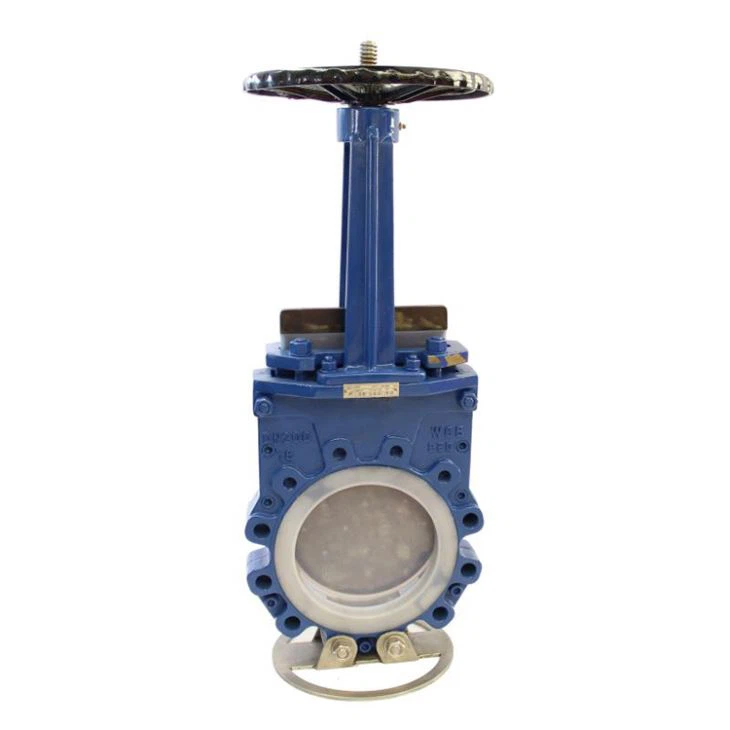
One of the most significant impacts of acidic slurries on Slurry Gate Valves is corrosion. Acidic substances can react with the metal components of the valve, causing them to deteriorate over time. For instance, in a metal-seated knife gate valve Metal Seated Knife Gate Valve, the metal seat and gate can be corroded by the acidic slurry. This corrosion can lead to a loss of the valve's sealing integrity, allowing the slurry to leak past the valve. As the corrosion progresses, the valve may become completely inoperable, requiring frequent replacement and causing costly downtime in the industrial process.
2.2 Material Degradation
In addition to corrosion, acidic slurries can also cause material degradation in other components of the Slurry Gate Valve. The elastomeric seals in a resilient seated knife gate valve resilient seated knife gate valve can be damaged by acidic substances. The acid can break down the chemical bonds in the elastomer, causing it to swell, crack, or lose its elasticity. This can result in a poor seal and increased leakage, reducing the valve's efficiency and reliability.
2.3 Erosion-Corrosion Interaction
Acidic slurries often contain abrasive particles. The combination of abrasion from the particles and corrosion from the acid can lead to a phenomenon known as erosion-corrosion. The abrasive particles can remove the protective oxide layer on the metal surface, exposing fresh metal to the acidic environment. This accelerates the corrosion process, and the corrosion products can also increase the abrasiveness of the slurry, further enhancing the erosion. This synergistic effect can cause rapid damage to the valve components, especially in high-velocity areas such as the valve seat and the edges of the gate.
3. Effects of Alkaline Slurries on Slurry Gate Valves
3.1 Precipitation and Scaling
Alkaline slurries can cause precipitation and scaling issues in Slurry Gate Valves. When the pH of the slurry is high, certain dissolved salts in the slurry can precipitate out of solution and form solid deposits on the valve surfaces. For example, calcium carbonate and magnesium hydroxide are common scaling compounds in alkaline slurries. These deposits can build up on the valve seat, gate, and other internal components, interfering with the valve's movement and reducing its sealing ability. Over time, the scaling can become so severe that the valve may get stuck in either the open or closed position.
3.2 Stress Corrosion Cracking
In some cases, alkaline environments can also lead to stress corrosion cracking (SCC) in the metal components of the Slurry Gate Valve. SCC occurs when a combination of tensile stress, a specific corrosive environment, and a susceptible material is present. Alkaline slurries can create a corrosive environment that promotes cracking in the valve's metal parts, especially if the parts are under stress due to installation or operation. This can compromise the structural integrity of the valve and lead to catastrophic failure.
4. Optimal pH Range for Slurry Gate Valves
While different types of Slurry Gate Valves can tolerate a certain range of pH values, there is an optimal pH range for their performance. Generally, a pH range between 6 and 8 is considered relatively ideal for most Slurry Gate Valves. In this range, the risk of corrosion, scaling, and other pH-related problems is minimized. However, it's important to note that the specific optimal pH range can vary depending on the valve materials, the composition of the slurry, and the operating conditions.
5. Mitigating the Effects of pH on Slurry Gate Valves
5.1 Material Selection
One of the key strategies for mitigating the effects of pH on Slurry Gate Valves is proper material selection. For valves operating in acidic slurries, corrosion-resistant materials such as stainless steel, duplex stainless steel, or nickel-based alloys can be used. These materials have a high resistance to corrosion and can withstand the acidic environment for a longer period. In the case of alkaline slurries, materials that are resistant to scaling and SCC should be chosen.
5.2 Coatings and Linings
Applying protective coatings and linings to the valve components can also help reduce the impact of pH on the Slurry Gate Valve. For example, epoxy coatings can provide a barrier between the metal surface and the corrosive slurry, preventing direct contact and reducing the rate of corrosion. Rubber linings can be used in valves handling abrasive and corrosive slurries, as they can absorb the impact of the abrasive particles and protect the underlying metal.
5.3 pH Control
In some industrial processes, it may be possible to control the pH of the slurry to keep it within the optimal range for the Slurry Gate Valve. This can be achieved through the addition of acid or alkali to the slurry, depending on its initial pH. pH control can help reduce the likelihood of corrosion, scaling, and other pH-related problems, extending the service life of the valve and improving its performance.
6. Conclusion and Call to Action
The pH value of the slurry has a profound impact on the performance of Slurry Gate Valves. Whether the slurry is acidic or alkaline, it can cause various problems such as corrosion, scaling, and material degradation. As a Slurry Gate Valve supplier, we understand the importance of addressing these issues to ensure the reliable operation of your industrial processes. Our company offers a wide range of high-quality Slurry Gate Valves, including Slurry Knife Gate Valve, designed to withstand different pH conditions.
If you are looking for a reliable Slurry Gate Valve solution or have any questions about how the pH of your slurry may affect your valve performance, don't hesitate to contact us. Our team of experts is ready to provide you with professional advice and help you select the most suitable valve for your specific application.
References
- Schweitzer, P. A. (2004). Valve selection handbook. McGraw-Hill Professional.
- ASM Handbook Committee. (2002). ASM Handbook Volume 13C: Corrosion: Prevention and Control. ASM International.
- Fontana, M. G. (1986). Corrosion engineering (3rd ed.). McGraw-Hill.