

How does the design of a straight globe valve affect its performance?
As a supplier of Straight Globe Valves, I've witnessed firsthand how the design intricacies of these valves play a pivotal role in determining their overall performance. In this blog, I'll delve into the various design aspects of straight globe valves and explore how they impact the valve's functionality, efficiency, and reliability.
1. Seat and Disc Design
The seat and disc are fundamental components of a straight globe valve, and their design significantly affects the valve's performance. The seat is the stationary part of the valve, while the disc is the movable element that comes into contact with the seat to control the flow of fluid.
The shape of the seat and disc can vary, with the most common designs being flat and conical. A flat seat and disc design provides a large sealing area, which can result in a tight shut - off. This is particularly useful in applications where preventing leakage is critical, such as in high - pressure or toxic fluid systems. However, flat seats may require more force to open and close the valve, which can lead to increased wear and tear over time.
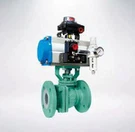
On the other hand, a conical seat and disc design offers a self - centering feature. When the disc approaches the seat, the conical shape helps to align the disc properly, ensuring a more consistent seal. This design also requires less force to operate compared to the flat design, reducing the stress on the valve components. Additionally, the conical design can provide better throttling capabilities, allowing for more precise control of the fluid flow. Straight Globe Valve
2. Body Design
The body of a straight globe valve is the outer casing that houses all the internal components. The design of the body has a profound impact on the valve's flow characteristics, pressure drop, and structural integrity.
One of the key considerations in body design is the flow path. Straight globe valves typically have a Z - shaped or Y - shaped flow path. A Z - shaped flow path is more common and is characterized by a relatively long and tortuous flow path. This design provides good throttling performance as the fluid has to change direction multiple times, allowing for better control of the flow rate. However, the Z - shaped flow path also results in a higher pressure drop across the valve, which can increase energy consumption in the system.
In contrast, a Y - shaped flow path offers a more direct flow path for the fluid. This design reduces the pressure drop across the valve, making it more energy - efficient. Y - shaped straight globe valves are often preferred in applications where minimizing pressure loss is crucial, such as in large - scale pipeline systems. However, the throttling performance of Y - shaped valves may not be as precise as that of Z - shaped valves.
The material and thickness of the body also affect the valve's performance. Valves made from high - quality materials such as stainless steel or carbon steel can withstand high pressures and temperatures, ensuring long - term reliability. Adequate body thickness is necessary to prevent deformation under pressure, which could compromise the valve's sealing ability.
3. Stem Design
The stem is the component that connects the actuator to the disc and is responsible for transmitting the force required to open and close the valve. The design of the stem has a significant impact on the valve's operation and durability.
The length and diameter of the stem are important design considerations. A longer stem may be required in applications where the valve needs to be installed in a deep or hard - to - reach location. However, a longer stem can also be more prone to bending, which can affect the valve's sealing performance. A larger diameter stem provides more strength and stability, reducing the risk of bending and ensuring smooth operation.
The thread type on the stem also plays a role. Acme threads are commonly used in straight globe valves as they offer a good balance between strength and ease of operation. They provide a smooth and efficient transfer of force from the actuator to the disc, allowing for precise control of the valve's position.
In addition, the stem should be properly guided to ensure that it moves in a straight line. This helps to prevent misalignment between the disc and the seat, which could lead to leakage. Some valves are equipped with stem guides to enhance the stem's stability during operation.


4. Bonnet Design
The bonnet is the part of the valve that covers the stem and provides a seal to prevent fluid leakage. The design of the bonnet affects the valve's sealing performance, maintenance requirements, and overall safety.
There are different types of bonnet designs, including bolted bonnets, welded bonnets, and pressure - seal bonnets. Bolted bonnets are the most common type and are easy to remove for maintenance and inspection. They use bolts to secure the bonnet to the valve body, and a gasket is used to provide a seal. However, bolted bonnets may be more prone to leakage over time, especially in high - pressure applications.
Welded bonnets offer a more permanent and leak - proof seal. They are welded directly to the valve body, eliminating the need for gaskets and bolts. Welded bonnets are often used in applications where zero leakage is required, such as in nuclear power plants or high - pressure chemical processes. However, once the bonnet is welded, it can be difficult and expensive to perform maintenance or replacement of internal components.
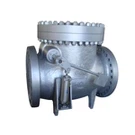
Pressure - seal bonnets are designed for high - pressure applications. They use the system pressure to enhance the sealing force between the bonnet and the valve body. As the pressure increases, the sealing force also increases, providing a reliable seal even at extremely high pressures. Pressure Seal Globe Valve
5. Actuator Design
The actuator is the device that provides the force to open and close the valve. The design of the actuator affects the valve's operating speed, control accuracy, and automation capabilities.
Manual actuators, such as handwheels or levers, are simple and cost - effective. They are suitable for applications where the valve needs to be operated infrequently or where automation is not required. However, manual actuators may not be practical for large - sized valves or valves located in hard - to - reach areas.
Electric actuators offer precise control and can be easily integrated into automated control systems. They can be programmed to open or close the valve at specific times or in response to certain process conditions. Electric actuators are commonly used in industrial processes where accurate flow control is required.
Pneumatic actuators use compressed air to operate the valve. They are fast - acting and can provide a high level of force. Pneumatic actuators are often used in applications where quick opening and closing of the valve are necessary, such as in emergency shutdown systems.
Impact on Overall Performance
The design features of a straight globe valve work together to determine its overall performance. A well - designed valve with a proper seat and disc, body, stem, bonnet, and actuator can provide reliable operation, precise flow control, and long - term durability.
For example, a valve with a conical seat and disc design, a Y - shaped body for low pressure drop, a sturdy stem with proper guidance, a pressure - seal bonnet for high - pressure applications, and an electric actuator for precise control can offer excellent performance in a complex industrial process.
On the other hand, a poorly designed valve may suffer from issues such as leakage, high pressure drop, premature wear, and inaccurate flow control. These problems can lead to increased maintenance costs, reduced system efficiency, and even safety hazards.
Conclusion
In conclusion, the design of a straight globe valve has a profound impact on its performance. As a supplier, we understand the importance of carefully considering each design aspect to meet the specific requirements of different applications. Whether it's a high - pressure chemical process, a water treatment plant, or an oil and gas pipeline, the right design can make all the difference in ensuring the reliable and efficient operation of the valve.
If you are in need of high - quality straight globe valves or have any questions about valve design and performance, please feel free to reach out to us. We are here to assist you in finding the best valve solutions for your needs.
References
- Valve Handbook, CRC Press
- Industrial Valves: Selection, Specification, and Installation, McGraw - Hill