

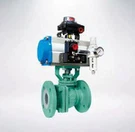
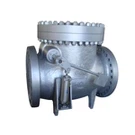
In the realm of industrial automation, the seamless interaction between automatic control valves and Programmable Logic Controller (PLC) systems stands as a cornerstone of efficient and reliable operation. As a leading supplier of automatic control valves, I have witnessed firsthand the transformative impact this synergy can have on various industries. In this blog post, I will delve into the intricate details of how an automatic control valve interacts with a PLC system, exploring the underlying principles, key components, and practical applications.
Understanding Automatic Control Valves
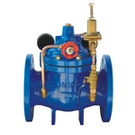
Automatic control valves are essential components in fluid control systems, designed to regulate the flow, pressure, temperature, or level of liquids, gases, or steam. These valves operate based on signals received from a control system, allowing for precise and automated adjustment of the process parameters. There are several types of automatic control valves available, each tailored to specific applications and requirements. Some of the most common types include Pump Control Valve, Slow Control Check Valve, and Non-Modulating Float Valve.
Pump control valves are specifically designed to protect pumps from damage caused by water hammer, reverse flow, and excessive pressure. These valves automatically open and close in response to changes in pump operation, ensuring smooth and efficient pumping systems. Slow control check valves, on the other hand, are used to prevent backflow and control the rate of flow in a pipeline. They feature a slow-closing mechanism that minimizes water hammer and protects the system from damage. Non-modulating float valves are commonly used in applications where the level of a liquid needs to be maintained at a constant level. These valves operate based on the principle of buoyancy, opening and closing as the liquid level rises and falls.
The Role of PLC Systems
A Programmable Logic Controller (PLC) is a digital computer used for automation of industrial processes, such as control of machinery on factory assembly lines, amusement rides, or light fixtures. PLCs are designed to withstand harsh industrial environments and can be easily programmed to perform a wide range of control functions. The primary function of a PLC system is to monitor input signals from sensors and other devices, process this information according to a pre-programmed logic, and generate output signals to control actuators, such as automatic control valves.
PLC systems offer several advantages over traditional control systems, including flexibility, reliability, and ease of programming. They can be easily reconfigured to accommodate changes in the process requirements, making them ideal for applications where the production process needs to be adjusted frequently. Additionally, PLC systems are highly reliable and can operate continuously for long periods of time without requiring maintenance. The programming of a PLC system is typically done using a specialized software, which allows engineers to create and modify control programs using a graphical interface.
Interaction between Automatic Control Valves and PLC Systems
The interaction between an automatic control valve and a PLC system involves a series of steps, starting from the generation of a control signal by the PLC and ending with the adjustment of the valve position. The process can be broken down into the following stages:
1. Signal Generation
The PLC system continuously monitors the input signals from sensors, such as flow meters, pressure sensors, and temperature sensors. Based on the pre-programmed logic, the PLC generates an output signal that corresponds to the desired valve position. This signal can be in the form of a voltage, current, or digital signal, depending on the type of valve and the control requirements.
2. Signal Transmission
Once the control signal is generated, it is transmitted from the PLC to the valve actuator. The transmission can be done using a wired or wireless communication protocol, such as Modbus, Profibus, or Ethernet. The choice of communication protocol depends on the distance between the PLC and the valve, the required data transfer rate, and the level of interference in the environment.
3. Actuator Operation
The valve actuator receives the control signal from the PLC and converts it into mechanical motion. The actuator can be either electric, pneumatic, or hydraulic, depending on the type of valve and the application requirements. Electric actuators are commonly used in applications where precise control and high accuracy are required, while pneumatic and hydraulic actuators are preferred for applications where high force and fast response times are needed.


4. Valve Position Adjustment
The mechanical motion of the actuator is transferred to the valve stem, which in turn adjusts the position of the valve disc or plug. The valve position is continuously monitored by a positioner, which provides feedback to the PLC system. The PLC compares the actual valve position with the desired position and adjusts the control signal accordingly to ensure that the valve operates at the desired setpoint.
Practical Applications
The interaction between automatic control valves and PLC systems finds wide applications in various industries, including oil and gas, water treatment, power generation, and manufacturing. Some of the common applications include:
1. Flow Control
In many industrial processes, it is essential to control the flow rate of liquids or gases. Automatic control valves, in combination with PLC systems, can be used to precisely regulate the flow rate based on the process requirements. For example, in a chemical plant, the flow rate of reactants needs to be carefully controlled to ensure the quality and efficiency of the chemical reaction.
2. Pressure Control
Maintaining the correct pressure in a pipeline or a vessel is crucial for the safe and efficient operation of many industrial processes. Automatic control valves can be used to control the pressure by adjusting the valve position based on the pressure readings from a pressure sensor. This is particularly important in applications such as oil and gas pipelines, where excessive pressure can lead to pipeline rupture and environmental disasters.
3. Temperature Control
In some industrial processes, such as heating, ventilation, and air conditioning (HVAC) systems, it is necessary to control the temperature of a fluid or a space. Automatic control valves can be used to regulate the flow of hot or cold water, steam, or refrigerant, based on the temperature readings from a temperature sensor. This helps to maintain a comfortable and consistent temperature in the environment.
4. Level Control
In applications where the level of a liquid needs to be maintained at a constant level, such as water tanks and reservoirs, automatic control valves can be used in conjunction with PLC systems to control the inflow and outflow of the liquid. The PLC system monitors the liquid level using a level sensor and adjusts the valve position to ensure that the level remains within the desired range.
Benefits of the Interaction
The interaction between automatic control valves and PLC systems offers several benefits, including:
1. Improved Efficiency
By automating the control process, automatic control valves and PLC systems can significantly improve the efficiency of industrial processes. They can adjust the valve position in real-time based on the process conditions, ensuring that the system operates at the optimal level. This leads to reduced energy consumption, lower operating costs, and increased productivity.
2. Enhanced Safety
Automatic control valves and PLC systems can help to enhance the safety of industrial processes by preventing overpressure, overheating, and other hazardous conditions. They can quickly detect abnormal conditions and take appropriate action to prevent accidents and equipment damage. This is particularly important in industries such as oil and gas, where safety is of utmost importance.
3. Increased Reliability
The combination of automatic control valves and PLC systems is highly reliable and can operate continuously for long periods of time without requiring maintenance. The PLC system can monitor the performance of the valve and detect any faults or malfunctions early on, allowing for timely maintenance and repair. This helps to minimize downtime and ensure the smooth operation of the production process.
4. Flexibility and Adaptability
PLC systems are highly flexible and can be easily reconfigured to accommodate changes in the process requirements. This makes them ideal for applications where the production process needs to be adjusted frequently. Automatic control valves can also be easily integrated with other control devices and systems, allowing for a more comprehensive and efficient control solution.
Conclusion
The interaction between automatic control valves and PLC systems is a critical aspect of industrial automation, enabling precise and efficient control of fluid processes. As a supplier of automatic control valves, I understand the importance of providing high-quality products that are compatible with a wide range of PLC systems. Our valves are designed to meet the most demanding industrial requirements and are backed by our commitment to customer satisfaction.
If you are looking for reliable and efficient automatic control valves for your industrial application, I encourage you to contact us for a consultation. Our team of experts will work with you to understand your specific requirements and recommend the best valve solution for your needs. We offer a comprehensive range of valves, including Pump Control Valve, Slow Control Check Valve, and Non-Modulating Float Valve, and can provide you with the technical support and assistance you need to ensure the successful implementation of your project.
References
- "Industrial Automation Handbook" by Peter Welter
- "Programmable Logic Controllers: Principles and Applications" by David A. Bell
- "Control Valves: A Practical Guide" by David W. Spitzer