

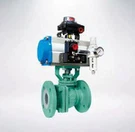
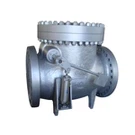
Pressure relief valves are crucial components in various industrial systems, designed to protect equipment and personnel by releasing excess pressure when it exceeds a predefined setpoint. As a leading pressure relief valve supplier, I understand the importance of using the right materials to ensure the reliability and performance of these valves. In this blog post, I will explore the different materials commonly used in the manufacturing of pressure relief valves and their specific applications.


Metals
Metals are the most widely used materials for pressure relief valves due to their strength, durability, and resistance to high temperatures and pressures. Here are some of the common metals used:
Stainless Steel
Stainless steel is a popular choice for pressure relief valves because of its excellent corrosion resistance, high strength, and good formability. It contains chromium, which forms a passive oxide layer on the surface, protecting the metal from rust and corrosion. Stainless steel valves are suitable for a wide range of applications, including chemical processing, food and beverage, and pharmaceutical industries. For example, in the chemical industry, where valves are exposed to corrosive chemicals, stainless steel can withstand the harsh environment and ensure long-term performance.
Carbon Steel
Carbon steel is another commonly used material for pressure relief valves. It is known for its high strength and relatively low cost. Carbon steel valves are often used in applications where corrosion is not a major concern, such as in water and steam systems. However, carbon steel is prone to rusting, so it may require additional protective coatings or treatments in environments with high humidity or exposure to corrosive substances.
Alloy Steel
Alloy steel is a combination of carbon steel and other alloying elements, such as chromium, nickel, and molybdenum. These alloying elements enhance the strength, hardness, and corrosion resistance of the steel. Alloy steel valves are commonly used in high-temperature and high-pressure applications, such as in power generation and oil and gas industries. For instance, in a power plant, alloy steel valves can withstand the extreme conditions of steam at high temperatures and pressures.
Brass
Brass is an alloy of copper and zinc, known for its good corrosion resistance, machinability, and aesthetic appeal. Brass valves are often used in low-pressure applications, such as in plumbing and HVAC systems. They are also suitable for applications where a non-magnetic material is required.
Polymers
Polymers are synthetic materials that offer unique properties such as chemical resistance, low friction, and lightweight. They are increasingly being used in pressure relief valves, especially in applications where corrosion or chemical compatibility is a concern.
PTFE (Polytetrafluoroethylene)
PTFE, also known as Teflon, is a widely used polymer in pressure relief valves. It has excellent chemical resistance, low friction coefficient, and high temperature resistance. PTFE is often used as a sealing material in valves to prevent leakage. For example, in a chemical processing plant, PTFE seals can ensure that the valve remains leak-free even when handling aggressive chemicals.
Nylon
Nylon is a strong and durable polymer with good abrasion resistance and low moisture absorption. It is commonly used in valve components such as seats and seals. Nylon valves are suitable for applications where low noise and vibration are required, such as in pneumatic systems.
PVC (Polyvinyl Chloride)
PVC is a cost-effective polymer with good chemical resistance and ease of fabrication. PVC valves are often used in water treatment and irrigation systems, where they can handle low to moderate pressures.
Ceramics
Ceramics are known for their high hardness, wear resistance, and chemical stability. They are used in pressure relief valves in applications where extreme conditions are present, such as high temperatures, high pressures, and corrosive environments.
Alumina
Alumina is a ceramic material with excellent mechanical properties, high hardness, and good thermal stability. It is often used in valve seats and discs, where it can withstand high wear and erosion. Alumina valves are commonly used in the mining and pulp and paper industries, where they are exposed to abrasive slurries.
Silicon Carbide
Silicon carbide is a ceramic material with high thermal conductivity, excellent chemical resistance, and high strength. It is used in applications where high temperatures and corrosive chemicals are present, such as in the chemical and petrochemical industries.
Selection of Materials
The selection of materials for pressure relief valves depends on several factors, including the application requirements, operating conditions, and cost. Here are some considerations when choosing materials:
Pressure and Temperature
The pressure and temperature ratings of the valve are important factors in material selection. High-pressure and high-temperature applications require materials with high strength and thermal stability, such as alloy steel or ceramics. Low-pressure and low-temperature applications may be suitable for materials like brass or polymers.
Corrosion Resistance
If the valve is exposed to corrosive substances, such as chemicals or saltwater, materials with good corrosion resistance, such as stainless steel or PTFE, should be used.
Chemical Compatibility
The valve materials must be compatible with the fluids or gases they are handling. For example, in a pharmaceutical application, the valve materials should not contaminate the product.
Cost
Cost is always a consideration in material selection. While high-performance materials may offer better properties, they may also be more expensive. A balance must be struck between performance and cost to ensure the most cost-effective solution.
Our Product Range
As a pressure relief valve supplier, we offer a wide range of valves made from different materials to meet the diverse needs of our customers. Our product range includes Pressure Vacuum Relief Valve, Surge Relief Valve, and Safety Valve. Whether you need a valve for a chemical processing plant, a power generation facility, or a plumbing system, we have the right solution for you.
Conclusion
The choice of materials for pressure relief valves is crucial to ensure their reliable performance and longevity. Metals, polymers, and ceramics each offer unique properties that make them suitable for different applications. By considering factors such as pressure, temperature, corrosion resistance, chemical compatibility, and cost, you can select the most appropriate material for your specific needs. As a pressure relief valve supplier, we are committed to providing high-quality valves made from the best materials to meet the demanding requirements of our customers. If you have any questions or need assistance in selecting the right pressure relief valve, please feel free to contact us for procurement and further discussion.
References
- ASME Boiler and Pressure Vessel Code
- API Standards for Pressure Relief Devices
- ISO Standards for Valves and Fittings