

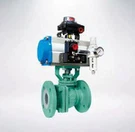
As a reputable ball valve supplier, I often encounter inquiries regarding the working pressure range of ball valves. Understanding this crucial aspect is essential for ensuring the proper selection and application of ball valves in various industrial processes. In this blog post, I will delve into the factors that influence the working pressure range of ball valves, explore different types of ball valves and their pressure capabilities, and provide practical insights for choosing the right ball valve for your specific needs.
Factors Influencing the Working Pressure Range of Ball Valves
The working pressure range of a ball valve is determined by several key factors, including the valve's design, material of construction, and manufacturing quality. Let's take a closer look at each of these factors:
Design
The design of a ball valve plays a significant role in determining its pressure capabilities. Ball valves are typically classified into two main types based on their design: floating ball valves and trunnion-mounted ball valves.
- Floating Ball Valves: In a floating ball valve, the ball is not fixed and is free to move slightly within the valve body. When the valve is closed, the pressure of the fluid pushes the ball against the downstream seat, creating a seal. Floating ball valves are suitable for low to medium-pressure applications, typically up to 1,500 psi (103 bar).
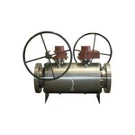
- Trunnion-Mounted Ball Valves: Trunnion-mounted ball valves feature a ball that is supported by trunnions (pins) at the top and bottom. This design allows the valve to withstand higher pressures by distributing the force of the fluid evenly across the ball and the seats. Trunnion-mounted ball valves are commonly used in high-pressure applications, with pressure ratings ranging from 1,500 psi (103 bar) to over 10,000 psi (690 bar).
Material of Construction
The material used to construct the ball valve also has a significant impact on its pressure capabilities. Different materials have different strength and corrosion resistance properties, which can affect the valve's ability to withstand high pressures.
- Metals: Metal ball valves, such as those made of stainless steel, carbon steel, or alloy steel, are commonly used in industrial applications due to their high strength and durability. These valves can withstand high pressures and are suitable for a wide range of temperatures and corrosive environments.
- Plastics: Plastic ball valves, such as those made of PVC, CPVC, or PTFE, are often used in low-pressure applications where corrosion resistance is a primary concern. These valves are lightweight, inexpensive, and easy to install, but they have lower pressure ratings compared to metal valves.
- Ceramics: Ceramic ball valves are a relatively new type of valve that offers excellent corrosion resistance and high-temperature performance. These valves are suitable for high-pressure applications in harsh environments, such as chemical processing and power generation.
Manufacturing Quality
The manufacturing quality of a ball valve is another important factor that can affect its pressure capabilities. A well-manufactured ball valve will have precise dimensions, smooth surfaces, and tight tolerances, which are essential for ensuring a reliable seal and preventing leaks.
- Machining: The machining process used to manufacture the ball valve components, such as the ball, seats, and body, can have a significant impact on the valve's performance. High-quality machining ensures that the components fit together properly and that the valve operates smoothly.
- Assembly: The assembly process is also critical for ensuring the proper functioning of the ball valve. A well-assembled valve will have all the components installed correctly and tightened to the appropriate torque, which helps to prevent leaks and ensure a reliable seal.
- Testing: Before a ball valve is shipped to the customer, it should undergo rigorous testing to ensure that it meets the required pressure and performance standards. This testing typically includes pressure testing, leakage testing, and functional testing.
Different Types of Ball Valves and Their Pressure Capabilities
There are several different types of ball valves available on the market, each with its own unique design and pressure capabilities. Let's take a closer look at some of the most common types of ball valves:
Soft Seated Ball Valve
Soft seated ball valves are designed with a soft sealing material, such as PTFE or NBR, which provides a tight seal and excellent corrosion resistance. These valves are suitable for low to medium-pressure applications, typically up to 1,500 psi (103 bar). Soft seated ball valves are commonly used in industries such as chemical processing, water treatment, and food and beverage. Soft Seated Ball Valve
PFA Lined Ball Valve
PFA lined ball valves are lined with perfluoroalkoxy (PFA), a high-performance fluoropolymer that offers excellent chemical resistance and non-stick properties. These valves are suitable for corrosive applications where the fluid being handled is highly reactive or aggressive. PFA lined ball valves can withstand pressures up to 1,500 psi (103 bar) and temperatures up to 500°F (260°C). PFA Lined Ball Valve
Ceramic Lined Ball Valve
Ceramic lined ball valves are lined with a ceramic material, such as alumina or zirconia, which provides excellent wear resistance and corrosion resistance. These valves are suitable for high-pressure applications in harsh environments, such as mining, power generation, and chemical processing. Ceramic lined ball valves can withstand pressures up to 10,000 psi (690 bar) and temperatures up to 2,000°F (1,093°C). Ceramic Lined Ball Valve
Choosing the Right Ball Valve for Your Specific Needs
When selecting a ball valve for your specific application, it is important to consider several factors, including the working pressure, temperature, fluid type, and flow rate. Here are some tips to help you choose the right ball valve:
Determine the Working Pressure
The first step in choosing a ball valve is to determine the working pressure of your application. This will help you narrow down your options and select a valve that can withstand the required pressure. Make sure to consider the maximum pressure that the valve will be exposed to, as well as any pressure fluctuations or surges that may occur.
Consider the Temperature
The temperature of the fluid being handled is another important factor to consider when choosing a ball valve. Different materials have different temperature limits, so it is important to select a valve that can operate within the temperature range of your application. Make sure to consider both the normal operating temperature and any potential temperature variations.
Evaluate the Fluid Type
The type of fluid being handled also plays a significant role in determining the appropriate ball valve. Some fluids, such as corrosive chemicals or abrasive slurries, require a valve with special materials or coatings to prevent corrosion and wear. Make sure to consider the chemical composition, viscosity, and particulate content of the fluid when selecting a valve.
Calculate the Flow Rate
The flow rate of the fluid being handled is another important factor to consider when choosing a ball valve. The valve size and design should be selected to ensure that it can handle the required flow rate without causing excessive pressure drop. Make sure to consider the maximum flow rate that the valve will be exposed to, as well as any flow variations or fluctuations that may occur.
Conclusion
In conclusion, understanding the working pressure range of ball valves is essential for ensuring the proper selection and application of these valves in various industrial processes. By considering the factors that influence the pressure capabilities of ball valves, such as design, material of construction, and manufacturing quality, you can choose the right valve for your specific needs. Whether you are looking for a soft seated ball valve, a PFA lined ball valve, or a ceramic lined ball valve, we have the expertise and experience to provide you with the highest quality products and services.
If you have any questions or need assistance in selecting the right ball valve for your application, please do not hesitate to contact us. Our team of experts is always available to help you find the best solution for your needs. We look forward to working with you and helping you achieve your goals.


References
- API 6D: Specification for Pipeline Valves
- ASME B16.34: Valves - Flanged, Threaded, and Welding End
- ISO 17292: Industrial valves - Ball valves