

Torque requirements for operating a metal seated ball valve are a crucial aspect that directly impact the valve's performance, efficiency, and cost - effectiveness. As a metal seated ball valve supplier, I've dealt with numerous inquiries about these torque needs. It's essential to understand that the torque required to operate a ball valve isn't a one - size - fits - all concept; a variety of factors weigh in.
Factors Affecting Torque Requirements
Valve Size
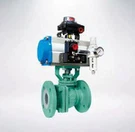
The size of the metal seated ball valve is a key determinant. Larger valves typically demand more torque to operate. This is because as the valve diameter increases, the area of the ball and the seats in contact also gets bigger. With a larger contact area, there's more friction between the ball and the seats. For instance, a 2 - inch metal seated ball valve will generally require less torque than a 10 - inch one. The mechanical force needed to rotate the ball within the valve body over that larger area just escalates. So, if you're looking at Ball Valve Floating Type, the size you choose can significantly affect your torque requirements.
Pressure
The pressure within the system where the valve is installed is another big factor. High - pressure systems exert additional force on the ball and the seats of the valve. This extra force increases the friction and the resistance when you're trying to turn the valve. Let's say you have a system operating at 500 psi; a valve in this setup will likely need more torque to open and close compared to a valve in a system running at 50 psi. This is something you always have to consider when you're assessing which metal seated ball valve is right for your high - or low - pressure application.
Temperature
Temperature can have a profound impact on torque requirements. Extreme temperatures can cause the materials of the valve, including the ball and the seats, to expand or contract. At high temperatures, metals expand, which can increase the tightness of the fit between the ball and the seats. This results in higher friction and thus more torque being needed to operate the valve. On the contrary, in colder temperatures, the metal may contract, but at the same time, the viscosity of the fluid flowing through the valve can change, also impacting the torque required. If you're thinking about a PFA Lined Ball Valve in a high - temperature process, you'll need to account for these thermal effects on torque.
Material of Seats and Ball
The choice of materials for the seats and the ball plays a role. Metal - to - metal seats, like in metal seated ball valves, tend to have different friction characteristics compared to Soft Seated Ball Valve. Soft seats can provide a lower - friction seal, which generally means less torque is required to operate the valve. However, metal seats are more durable and can withstand higher pressures and temperatures. The surface finish of the metal also matters; a smoother finish can reduce friction and thus lower the required torque.
Calculating Torque Requirements
Figuring out the exact torque requirements can be a complex task. There are several industry - standard methods and formulas that take into account the factors we've discussed. Some suppliers, like us, use advanced computer - aided design (CAD) software and simulation tools. These tools can model the valve's behavior under different conditions, factoring in valve size, pressure, temperature, and material properties to give a more accurate estimate of the torque.
Another approach is to refer to the torque tables provided by valve manufacturers. These tables are based on extensive testing and real - world data. They list the typical torque requirements for different valve sizes and pressure ratings. But it's important to note that these are just estimates. Real - world conditions can vary, so it's always a good idea to consult with an expert.
Importance of Correct Torque
Getting the torque requirements right is super important. If you use a valve actuator that can't provide enough torque, the valve may not open or close properly. This can lead to leaks, reduced flow control, and even system failures. On the flip side, if you use an actuator with too much torque, it can cause excessive wear and tear on the valve components, leading to premature failure. It can also increase energy consumption and operating costs.
Meeting Your Torque Needs
As a dedicated metal - seated ball valve supplier, we understand that every customer's situation is unique. That's why we offer a wide range of metal seated ball valves, each designed with different torque requirements in mind. Whether you're working with a small - scale, low - pressure system or a large - scale, high - pressure industrial process, we can help you find the right valve for the job.
Our team of experts is always ready to assist you. We can analyze your specific system's conditions, including size, pressure, temperature, and the type of fluid you're handling. Based on this analysis, we'll recommend the most appropriate valve with the right torque requirements. If you already have a system in place and are experiencing issues with valve operation, we can also perform on - site evaluations to diagnose and solve the problem.


Let's Connect
If you're in the market for a metal seated ball valve and need to understand the torque requirements for your application, don't hesitate to reach out. We're here to help you make the best choice for your project. Whether you need further information, a quotation, or want to discuss your specific torque needs, we're just a message away. Contact us to start the conversation and take the first step towards a more efficient and reliable valve solution.
References
- Valve Handbook: A Guide to Valve Selection and Application
- Technical Papers on Industrial Valve Design and Performance
- Industry Standards for Valve Torque Calculation