

Hey there! As a supplier of Automatic Control Valves, I often get asked about the temperature range for these valves to work normally. It's a crucial question because the performance and lifespan of an Automatic Control Valve can be significantly affected by the temperature of the fluid it controls. So, let's dive right into it.
Understanding the Basics
First off, what exactly is an Automatic Control Valve? Well, it's a device that regulates the flow, pressure, temperature, or level of a fluid (like water, gas, or steam) in a system. These valves are super handy in a wide range of industries, from HVAC systems in buildings to industrial processes in factories.
Now, the temperature range for an Automatic Control Valve to work properly depends on several factors. The materials used in the valve's construction play a huge role. For example, valves made of different metals and plastics have different heat resistance capabilities.
Temperature Ranges for Different Valve Types
Metal Valves
Most metal Automatic Control Valves can handle a relatively wide temperature range. For instance, valves made of stainless steel are quite common. They can typically operate in temperatures ranging from -20°C to 200°C (-4°F to 392°F). This makes them suitable for a variety of applications, like in water treatment plants where the water temperature can vary depending on the season and the source.
If you're dealing with high - temperature applications, like in a power plant where steam is involved, you might need valves made of special alloys. These can withstand temperatures up to 500°C (932°F) or even higher. However, these high - temperature valves are more expensive and are usually used in very specific industrial settings.
Plastic Valves
On the other hand, plastic Automatic Control Valves are often used in less extreme temperature environments. PVC (Polyvinyl Chloride) valves, for example, are great for low - pressure and low - temperature applications. They can usually work in temperatures between 0°C and 60°C (32°F and 140°F). These valves are commonly used in residential plumbing systems and some light - industrial water distribution systems.
Another type of plastic valve is made of PTFE (Polytetrafluoroethylene). PTFE has better heat resistance compared to PVC. It can operate in temperatures ranging from -200°C to 260°C (-328°F to 500°F). PTFE valves are often used in chemical processing industries where they need to handle corrosive fluids at different temperatures.
Impact of Temperature on Valve Performance
Temperature can have a big impact on how well an Automatic Control Valve works. At very low temperatures, the materials can become brittle. This means that the valve might crack or break if there's even a small amount of stress on it. For example, in a cold climate, if water freezes inside a valve, the expansion of the ice can cause the valve body to rupture.
On the other hand, high temperatures can cause the materials to expand. This can lead to leaks around the valve seals. If the valve is not designed to handle the high temperature, the internal components might also start to malfunction. For example, the actuator that controls the valve opening and closing might not work properly if it gets too hot.
Real - World Applications and Temperature Considerations
HVAC Systems
In HVAC (Heating, Ventilation, and Air Conditioning) systems, the temperature range for Automatic Control Valves is usually between 0°C and 100°C (32°F and 212°F). These valves are used to control the flow of hot and cold water or refrigerant in the system. For example, in a large office building, the valves regulate the temperature of the air in different zones. If the temperature goes outside the normal range, the valves might not be able to control the flow accurately, which can lead to inefficient heating or cooling.
Industrial Processes
In industrial processes, the temperature requirements can be much more extreme. For example, in a chemical plant, the valves might need to handle chemicals at very high temperatures. The Pump Control Valve is often used in these settings to regulate the flow of fluids through pumps. These valves need to be able to withstand the high temperatures and corrosive nature of the chemicals.


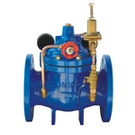
Another example is the Control Valve Pressure Reducing Valve. It's used to reduce the pressure of a fluid in a system. In industrial applications, the temperature of the fluid can vary widely, and the valve needs to work properly regardless of the temperature.
The 500X Pressure Reducing Valve is also commonly used in industrial and commercial water supply systems. It can maintain a stable outlet pressure even when the inlet pressure and temperature change. However, it's important to choose the right valve for the specific temperature range of the application.
Choosing the Right Valve for the Temperature Range
When you're selecting an Automatic Control Valve, you need to consider the temperature range of the fluid it will be controlling. First, determine the minimum and maximum temperatures that the valve will encounter. Then, choose a valve made of materials that can handle those temperatures.
It's also a good idea to consult with a valve expert. They can help you select the right valve based on your specific application requirements. Additionally, make sure to follow the manufacturer's installation and maintenance instructions. This will ensure that the valve operates within its recommended temperature range and has a long lifespan.
Wrapping Up
So, to sum it up, the temperature range for an Automatic Control Valve to work normally depends on the materials it's made of and the specific application. Metal valves can generally handle a wider temperature range than plastic valves, but there are exceptions. It's crucial to choose the right valve for your temperature requirements to ensure optimal performance and avoid costly repairs or replacements.
If you're in the market for Automatic Control Valves and need help choosing the right ones for your temperature range, don't hesitate to reach out. We're here to assist you in finding the perfect valves for your needs. Whether it's for a small residential project or a large industrial application, we've got you covered. Let's start a conversation and see how we can help you with your valve requirements.
References
- "Valve Handbook: Principles and Applications" by J. A. Zielinski
- "Industrial Valves: Selection, Specification, and Installation" by R. A. Smith