

Hey there! As a supplier of Dual Plate Check Valves, I often get asked about the service life of these valves. It's a crucial question, especially for those in industries where reliable valve performance is a must. So, let's dig into what affects the service life of a Dual Plate Check Valve and how you can make the most of it.
First off, what's a Dual Plate Check Valve? It's a type of check valve that has two spring-loaded plates that swing open to allow forward flow and close to prevent backflow. These valves are popular because they're compact, lightweight, and can handle a wide range of pressures and temperatures. They're used in various industries, including oil and gas, water treatment, and power generation.


Now, let's talk about the factors that influence the service life of a Dual Plate Check Valve.
1. Material Quality
The materials used to make the valve play a huge role in how long it will last. For instance, if the valve body is made of high-quality stainless steel, it'll be more resistant to corrosion and wear compared to a valve made of a lower-grade material. The same goes for the internal components, like the plates and springs. High-quality materials can withstand harsh conditions and frequent use without breaking down quickly.
2. Operating Conditions
The environment in which the valve operates can significantly impact its service life. If the valve is exposed to high pressures, high temperatures, or corrosive fluids, it'll wear out faster. For example, in a chemical plant where the valve is constantly in contact with aggressive chemicals, the materials can corrode, leading to leaks and reduced performance. On the other hand, if the valve is used in a relatively clean and low-stress environment, it can last much longer.
3. Installation and Maintenance
Proper installation is key to ensuring the long-term performance of a Dual Plate Check Valve. If the valve is not installed correctly, it can cause premature wear and tear. For instance, if the valve is installed in the wrong orientation or if the connections are not tightened properly, it can lead to leaks and reduced efficiency.
Regular maintenance is also essential. This includes inspecting the valve for signs of wear, cleaning it periodically, and replacing any worn-out components. By taking good care of the valve, you can extend its service life and prevent costly breakdowns.
4. Frequency of Use
How often the valve is used matters too. If the valve is constantly opening and closing, the internal components will experience more wear and tear. In applications where the valve is used infrequently, it can last longer. However, even in low-use situations, it's still important to perform regular maintenance to keep the valve in good working condition.
So, what's the typical service life of a Dual Plate Check Valve? Well, it's hard to give a specific number because it depends on all the factors we just discussed. In general, a well-maintained Dual Plate Check Valve used in a normal operating environment can last anywhere from 5 to 15 years. However, in more demanding applications, the service life may be shorter.
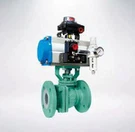
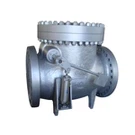
Now, let's compare Dual Plate Check Valves with some other types of check valves. There are different kinds of check valves out there, like the Ball Float Pattern Rubber Lined Check Valve, Swing Type Check Valve, and Steam Extraction Check Valve. Each type has its own advantages and disadvantages when it comes to service life.
The Ball Float Pattern Rubber Lined Check Valve is known for its good sealing performance and resistance to corrosion. It can be a great choice for applications where there's a risk of fluid contamination. However, the rubber lining may wear out over time, especially if it's exposed to high temperatures or abrasive fluids.
The Swing Type Check Valve is a classic design that's been around for a long time. It's simple and reliable, but it can be bulky and may not be suitable for applications with limited space. The swing plate can also be prone to wear and tear, especially in high-velocity flow situations.
The Steam Extraction Check Valve is specifically designed for use in steam systems. It needs to be able to handle high temperatures and pressures, so it's usually made of high-quality materials. However, the complex design of these valves can make them more expensive and require more maintenance.
As a supplier of Dual Plate Check Valves, I can tell you that we take great care in manufacturing our valves to ensure they have a long service life. We use high-quality materials, and our valves go through rigorous testing before they leave the factory. We also provide installation and maintenance guidelines to help our customers get the most out of their valves.
If you're in the market for a check valve, whether it's a Dual Plate Check Valve or another type, it's important to consider your specific needs. Think about the operating conditions, the frequency of use, and your budget. And don't forget about the service life. A valve that lasts longer may cost more upfront, but it can save you money in the long run by reducing the need for frequent replacements and maintenance.
If you have any questions about Dual Plate Check Valves or need help choosing the right valve for your application, feel free to reach out. We're here to help you find the best solution for your needs. Whether you're in the oil and gas industry, water treatment, or any other field that requires reliable valve performance, we've got you covered. Let's start a conversation and see how we can work together to meet your valve requirements.
References
- Valve Handbook, Various Authors
- Industry Standards for Check Valves