

Hey there! As a gate valve supplier, I often get asked about the sealing principle of a gate valve. So, I thought I'd take some time to break it down for you in a simple and easy-to-understand way.
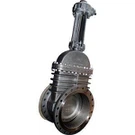
First things first, let's talk about what a gate valve is. A gate valve is a type of valve that uses a gate or wedge to control the flow of fluid through a pipe. The gate is usually a flat or wedge-shaped disc that moves up and down perpendicular to the flow of the fluid. When the gate is fully open, it allows the fluid to flow freely through the pipe. When the gate is fully closed, it blocks the flow of the fluid.
Now, let's get into the sealing principle of a gate valve. The sealing of a gate valve is achieved through the interaction between the gate and the valve seat. The valve seat is a ring-shaped component that is located at the opening of the valve body. It provides a surface for the gate to seal against.
There are two main types of sealing mechanisms used in gate valves: metal-to-metal sealing and soft sealing.


Metal-to-Metal Sealing
Metal-to-metal sealing is the most common type of sealing mechanism used in gate valves. In this type of sealing, the gate and the valve seat are made of metal. When the gate is closed, it presses against the valve seat, creating a tight seal. The force required to create this seal is usually provided by the valve actuator, which can be manual, electric, pneumatic, or hydraulic.
The advantage of metal-to-metal sealing is that it can withstand high temperatures and pressures. It is also very durable and can last for a long time without needing to be replaced. However, metal-to-metal sealing is not very effective at preventing leakage at low pressures. This is because the metal surfaces can have small imperfections or scratches, which can allow the fluid to leak through.
Soft Sealing
Soft sealing is another type of sealing mechanism used in gate valves. In this type of sealing, the gate or the valve seat is lined with a soft material, such as rubber, plastic, or graphite. When the gate is closed, the soft material compresses against the valve seat, creating a tight seal.
The advantage of soft sealing is that it is very effective at preventing leakage at low pressures. The soft material can conform to the shape of the valve seat, filling in any small imperfections or scratches. Soft sealing is also very easy to install and maintain. However, soft sealing is not very suitable for high-temperature or high-pressure applications. The soft material can degrade or melt under extreme conditions, which can cause the valve to leak.
Factors Affecting Sealing Performance
There are several factors that can affect the sealing performance of a gate valve. These include:
- Valve Design: The design of the gate valve can have a significant impact on its sealing performance. For example, the shape and size of the gate and the valve seat can affect the contact area between them, which in turn can affect the sealing force. The type of sealing mechanism used, such as metal-to-metal or soft sealing, can also affect the sealing performance.
- Material Selection: The materials used to make the gate and the valve seat can also affect the sealing performance. For example, the hardness and surface finish of the metal can affect the ability of the gate to seal against the valve seat. The type of soft material used in soft sealing can also affect the sealing performance.
- Installation and Maintenance: Proper installation and maintenance are essential for ensuring the sealing performance of a gate valve. The valve should be installed correctly, with the gate and the valve seat properly aligned. The valve should also be maintained regularly, with the sealing surfaces cleaned and lubricated as needed.
- Operating Conditions: The operating conditions of the gate valve can also affect its sealing performance. For example, high temperatures and pressures can cause the metal to expand or contract, which can affect the sealing force. The type of fluid flowing through the valve can also affect the sealing performance. Some fluids can be corrosive or abrasive, which can damage the sealing surfaces.
Types of Gate Valves and Their Sealing Principles
There are several types of gate valves available, each with its own unique sealing principle. Here are some of the most common types of gate valves:
- Wedge Gate Valve: A wedge gate valve uses a wedge-shaped gate to control the flow of fluid. The wedge gate is designed to fit tightly into the valve seat, creating a tight seal. The wedge gate can be either solid or flexible. Solid wedge gates are more suitable for high-pressure applications, while flexible wedge gates are more suitable for low-pressure applications.
- Parallel Slide Gate Valve: A parallel slide gate valve uses a flat gate that slides parallel to the valve seat to control the flow of fluid. The parallel slide gate is designed to provide a large flow area, which can reduce pressure drop. The parallel slide gate can be either single or double disc. Single disc parallel slide gates are more suitable for low-pressure applications, while double disc parallel slide gates are more suitable for high-pressure applications.
- Stainless Steel Gate Valve: A stainless steel gate valve is made of stainless steel, which is a corrosion-resistant material. Stainless steel gate valves are suitable for a wide range of applications, including chemical processing, food and beverage, and water treatment. The sealing principle of a stainless steel gate valve is similar to that of other types of gate valves, but the use of stainless steel can provide better corrosion resistance.
- Bellow Sealed Gate Valve: A bellow sealed gate valve uses a bellows to seal the stem of the valve. The bellows is a flexible metal component that expands and contracts as the gate moves up and down. The use of a bellows can provide a better seal, preventing leakage of the fluid from the stem of the valve. Bellow sealed gate valves are suitable for applications where leakage of the fluid is not acceptable, such as in the pharmaceutical and food industries.
- Flat Bottom Brake Seat: A flat bottom brake seat is a type of valve seat that is designed to provide a better seal. The flat bottom brake seat has a flat surface that contacts the gate, which can provide a larger contact area and a better sealing force. Flat bottom brake seats are suitable for applications where a tight seal is required, such as in high-pressure or high-temperature applications.
Conclusion
In conclusion, the sealing principle of a gate valve is based on the interaction between the gate and the valve seat. The type of sealing mechanism used, such as metal-to-metal or soft sealing, can affect the sealing performance of the valve. There are several factors that can affect the sealing performance of a gate valve, including valve design, material selection, installation and maintenance, and operating conditions. There are also several types of gate valves available, each with its own unique sealing principle.
If you're in the market for a gate valve, it's important to choose the right type of valve for your application. Consider the operating conditions, such as temperature, pressure, and fluid type, as well as the sealing requirements. If you have any questions or need help choosing the right gate valve for your application, please don't hesitate to contact us. We're a leading gate valve supplier, and we have a team of experts who can help you find the right valve for your needs.
References
- "Gate Valves: Principles, Operation, and Maintenance." Valve World Magazine.
- "Sealing Technology for Industrial Valves." Chemical Engineering Progress.
- "Valve Selection Guide." Emerson Process Management.