

What is the Sealing Mechanism of a Ball Valve?
As a reputable ball valve supplier, I've had the privilege of witnessing the widespread use and importance of ball valves across various industries. Ball valves are essential components in fluid control systems, and understanding their sealing mechanism is crucial for ensuring optimal performance. In this blog, I'll delve into the intricacies of the sealing mechanism of a ball valve, exploring the different types and how they work.
Basics of a Ball Valve
Before we dive into the sealing mechanism, let's briefly review the basic structure of a ball valve. A ball valve consists of a spherical closure unit (the ball), a valve body, valve seats, and an actuator. The ball has a hole (bore) through its center, which aligns with the pipeline when the valve is open, allowing fluid to flow. When the valve is closed, the ball is rotated 90 degrees, blocking the flow of fluid.
Sealing Principle
The sealing mechanism of a ball valve is based on the principle of creating a tight seal between the ball and the valve seats to prevent leakage. There are two main types of seals in ball valves: soft seals and metal seals.
Soft Seals
Soft seals are commonly used in ball valves and are made from materials such as elastomers (e.g., rubber) or plastics. These materials are flexible and can conform to the surface of the ball, creating a tight seal even with minor irregularities. Soft seals provide excellent sealing performance at low to moderate pressures and temperatures.
The sealing process in a soft-seated ball valve begins when the valve is closed. As the ball rotates to the closed position, the soft seal material is compressed against the ball, filling any gaps and preventing fluid from passing through. The flexibility of the soft seal allows it to adapt to changes in pressure and temperature, ensuring a reliable seal over time.
One of the advantages of soft-seated ball valves is their low torque requirement for operation. Since the soft seal material can easily deform, less force is needed to open and close the valve. This makes soft-seated ball valves suitable for applications where frequent operation is required.
However, soft seals have some limitations. They are generally not suitable for high-temperature or high-pressure applications, as the soft materials can degrade or lose their sealing properties under extreme conditions. Additionally, soft seals may be susceptible to chemical attack from certain fluids, which can also affect their performance.
Metal Seals
For applications where high temperatures, high pressures, or corrosive fluids are involved, metal-seated ball valves are often the preferred choice. Metal seals are made from materials such as stainless steel, alloy steel, or other high-performance metals. These materials offer excellent resistance to wear, corrosion, and high temperatures.
The sealing mechanism of a metal-seated ball valve is more complex than that of a soft-seated valve. In a metal-seated ball valve, the ball and the valve seats are machined to very precise tolerances to ensure a tight fit. When the valve is closed, the metal seats come into contact with the ball, creating a metal-to-metal seal.
To achieve a reliable metal-to-metal seal, the surface finish of the ball and the seats is critical. Any roughness or irregularities on the surfaces can cause leakage. Therefore, metal-seated ball valves are typically manufactured with high-precision machining techniques to ensure a smooth and flat surface finish.
One of the main advantages of metal-seated ball valves is their durability and long service life. They can withstand harsh operating conditions and are less likely to fail due to wear or corrosion. Metal-seated ball valves are also suitable for applications where abrasive particles are present in the fluid, as the metal seats can resist the erosive effects of the particles.
However, metal-seated ball valves have some drawbacks. They generally require higher torque for operation compared to soft-seated valves, as the metal-to-metal contact creates more friction. This can make metal-seated ball valves more difficult to operate, especially in large sizes. Additionally, metal-seated ball valves are more expensive than soft-seated valves due to the use of high-quality materials and precision manufacturing processes.
Types of Ball Valves and Their Sealing Mechanisms
There are several types of ball valves, each with its own unique sealing mechanism. Let's take a closer look at some of the most common types:
Floating Type Ball Valve
A Floating Type Ball Valve is one of the simplest and most widely used types of ball valves. In a floating ball valve, the ball is not fixed in place but is free to float within the valve body. When the valve is closed, the fluid pressure acts on the ball, pushing it against the downstream seat. This creates a tight seal between the ball and the seat, preventing fluid from passing through.
The floating design of the ball allows it to automatically adjust to changes in pressure and temperature, ensuring a reliable seal. Floating type ball valves are suitable for a wide range of applications, including low to moderate pressure systems.
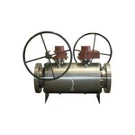
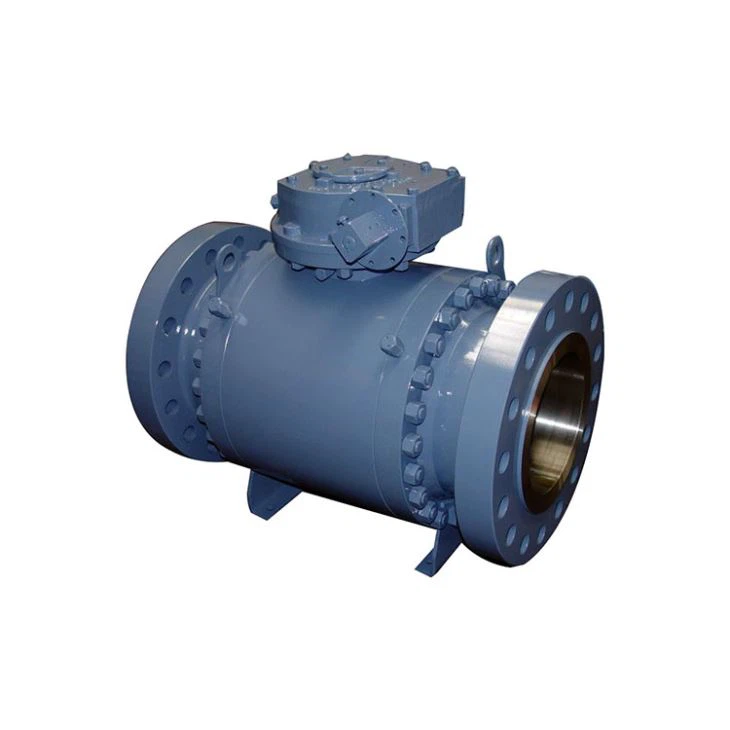
Trunnion Mounted Ball Valve
Trunnion mounted ball valves are designed for high-pressure applications. In a trunnion mounted ball valve, the ball is supported by a trunnion (a shaft) at the top and bottom. The trunnion reduces the force exerted on the seats by the ball, allowing the valve to operate at higher pressures.
When the valve is closed, the fluid pressure acts on the ball, but the trunnion supports the ball, preventing it from being pushed too hard against the seats. This reduces the wear on the seats and extends the service life of the valve. Trunnion mounted ball valves also require less torque for operation compared to floating type ball valves at high pressures.
Fully Welded Ball Valve
A Fully Welded Ball Valve is a type of ball valve that is completely welded together, eliminating any potential leakage paths. Fully welded ball valves are commonly used in pipelines and other applications where a high level of safety and reliability is required.
The sealing mechanism in a fully welded ball valve is similar to that of other ball valves, with either soft or metal seals depending on the application. The fully welded construction ensures a tight and permanent seal, making fully welded ball valves suitable for high-pressure and high-temperature applications.
Importance of Sealing Mechanism in Ball Valve Performance
The sealing mechanism of a ball valve plays a crucial role in its overall performance. A reliable seal is essential for preventing fluid leakage, which can lead to safety hazards, environmental pollution, and loss of product. In addition, a good seal helps to maintain the efficiency of the fluid control system by ensuring that the flow of fluid is accurately regulated.
When selecting a ball valve for a specific application, it is important to consider the sealing mechanism and choose the appropriate type of seal based on the operating conditions. Factors such as pressure, temperature, fluid type, and frequency of operation should all be taken into account.
As a ball valve supplier, I understand the importance of providing high-quality ball valves with reliable sealing mechanisms. We offer a wide range of ball valves, including Metal Seated Ball Valve, floating type ball valves, and fully welded ball valves, to meet the diverse needs of our customers. Our ball valves are manufactured to the highest standards of quality and performance, ensuring a long service life and reliable operation.
Conclusion
In conclusion, the sealing mechanism of a ball valve is a critical factor in its performance and reliability. Whether it's a soft-seated or metal-seated ball valve, understanding how the seal works is essential for selecting the right valve for your application. By considering the operating conditions and choosing the appropriate type of seal, you can ensure a tight and reliable seal, preventing fluid leakage and maintaining the efficiency of your fluid control system.
If you're in the market for high-quality ball valves, we invite you to contact us for more information. Our team of experts can help you select the right ball valve for your specific needs and provide you with the support and service you deserve. Let's work together to find the perfect solution for your fluid control requirements.

References
- "Ball Valves: Principles, Design, and Applications" by David W. Green
- "Valve Handbook" by Eric G. Colbourne